
In a landmark decision aimed at safeguarding the mental health and well-being of young people, lawmakers have announced a sweeping ban on social media use for children under the age of 16. The legislation, which is expected to be enacted within the next few months, has sparked a heated debate about the role of technology in the lives of children and the responsibilities of social media companies.
The new regulations, spearheaded by a coalition of child advocacy groups and health experts, are designed to address rising concerns about cyberbullying, mental health issues, and exposure to inappropriate content among minors. Proponents of the ban argue that the psychological impact of social media on children is profound, with studies linking heavy usage to anxiety, depression, and diminished self-esteem.
“We have a responsibility to protect our children from the potential harms of social media,” said Senator Emily Harris, one of the bill’s primary sponsors. “By restricting access for those under 16, we are taking a proactive step to foster healthier environments for their growth and development.”
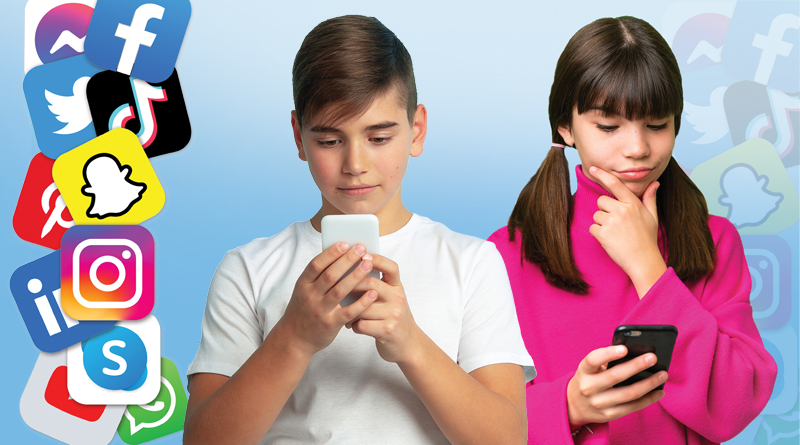
Under the proposed legislation, social media platforms will be required to implement stringent age verification processes to ensure compliance. Violating the age restriction could lead to significant penalties, including fines and potential bans from operating within the jurisdiction.
Critics of the ban, however, argue that it could infringe on personal freedoms and that many children are already using social media without supervision. Some tech experts also warn that the legislation may push children to seek out unregulated platforms or use deceptive methods to bypass restrictions, ultimately increasing their exposure to potential risks.
“This approach could do more harm than good,” said Dr. Mark Sullivan, a child psychologist. “Rather than banning access outright, we should focus on education and creating safe online environments. Empowering parents and teaching children about responsible social media use would be more effective.”
The legislation has garnered mixed reactions from parents as well. While many support the move as a necessary measure to protect their children, others express concern about the feasibility of enforcement and the potential for increased isolation among young people who rely on social media for social interaction.

As the debate continues, social media companies are bracing for the impact of the new regulations. Many are already exploring methods to enhance age verification processes and develop features aimed at promoting safer online experiences for users of all ages.
The ban is part of a broader trend in several countries to impose stricter regulations on social media platforms, reflecting growing awareness of the potential risks associated with digital engagement among young users. As lawmakers prepare to finalize the legislation, the conversation surrounding children’s use of social media is likely to evolve, raising critical questions about digital literacy, parental control, and the future of online interaction for the next generation.