The death of Suchir Balaji, a 26-year-old former researcher at OpenAI who had gained attention for his claims of copyright infringement by the company, has been officially ruled a suicide. Balaji was found dead in his San Francisco apartment on November 26, following a wellness check by local police officers.
Balaji, who had worked at OpenAI in a research capacity, had publicly accused the company of engaging in unethical practices, including the unauthorized use of copyrighted data in the training of its artificial intelligence models. His claims, which centered on the company’s reliance on large datasets scraped from the internet, had sparked a debate over intellectual property rights and the ethical use of data in the development of advanced AI systems.
Whistleblower Allegations
Balaji first came to public attention earlier this year when he began raising concerns about OpenAI’s data usage policies. He alleged that the company had failed to properly attribute or secure permission for the massive datasets used to train its generative models, including GPT. He argued that this amounted to copyright infringement, citing the use of web data scraped without the consent of content creators and publishers.
In a blog post published in April, Balaji wrote: “AI models, especially those being built by OpenAI, are trained on data that is often used without permission, with little to no regard for the creators who own the content. This not only raises legal and ethical questions but has the potential to undermine public trust in AI systems.”
His claims quickly garnered attention, particularly from legal experts and critics who had long raised concerns about the unregulated use of digital content for AI training. Some of his statements were directly critical of OpenAI’s shift from a non-profit organization to a for-profit model, which Balaji argued had led to the prioritization of revenue over responsible AI development.
Discovery of His Body
Balaji’s death was confirmed on November 26 when San Francisco police conducted a wellness check at his apartment, responding to concerns raised by friends and family. Upon arriving, officers found his body inside the residence. The San Francisco Medical Examiner’s office later ruled the death a suicide, though details surrounding the circumstances remain sparse.
A spokesperson for the Medical Examiner’s office confirmed that there were no signs of foul play, and the cause of death was determined to be self-inflicted. At this time, no additional information has been released about potential contributing factors, such as any personal struggles or the toll of his whistleblower activities.
Balaji’s family has expressed profound sadness at the loss of their son and brother. In a statement, they said, “Suchir was a brilliant and passionate individual who cared deeply about the world he was trying to improve. We are devastated by his passing and ask for privacy as we grieve.”

His former colleagues at OpenAI, some of whom were aware of his concerns about the company’s practices, have also expressed their condolences. “Suchir was a dedicated researcher with a sharp mind and a strong sense of integrity. His contributions to AI research were valuable, and his voice will be missed,” said a representative from OpenAI in a statement.
However, Balaji’s supporters, including legal experts and some AI ethics advocates, have called for further investigation into the circumstances surrounding his death. Some have raised concerns that the pressure from his whistleblowing activities, particularly against a company of OpenAI’s stature, may have contributed to his distress.
Ongoing Debate Over AI Ethics
Balaji’s passing comes at a time when AI ethics, copyright concerns, and corporate accountability are increasingly under scrutiny. As generative AI technologies like OpenAI’s GPT models continue to gain traction, questions about how data is sourced, how models are trained, and who owns the rights to the content produced by these systems are becoming central to the broader conversation.
While OpenAI has not publicly responded to questions about the specific allegations made by Balaji, the company has faced increasing pressure from legal professionals and advocacy groups to ensure that its AI models adhere to ethical guidelines and copyright laws.
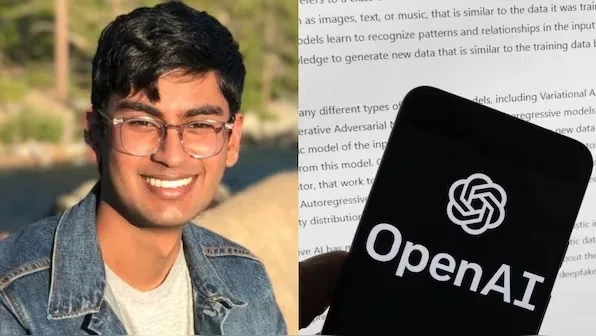
Although Balaji’s time at OpenAI was relatively brief, his public stance on intellectual property rights and AI ethics has made a lasting impact. His death has prompted renewed conversations about the need for greater transparency in AI development, as well as the personal toll whistleblowers face when they challenge powerful organizations.
As the tech world reflects on his life and work, many are calling for further reforms in how AI companies handle data and intellectual property. In the wake of Balaji’s tragic death, advocates are urging policymakers to implement stronger safeguards to protect both the rights of content creators and the integrity of AI development.
The investigation into his death is ongoing, but as of now, the official ruling is that Balaji died by suicide. His passing marks a sorrowful chapter in the ongoing debate over the future of artificial intelligence and the ethical responsibilities of those who create and deploy these technologies.