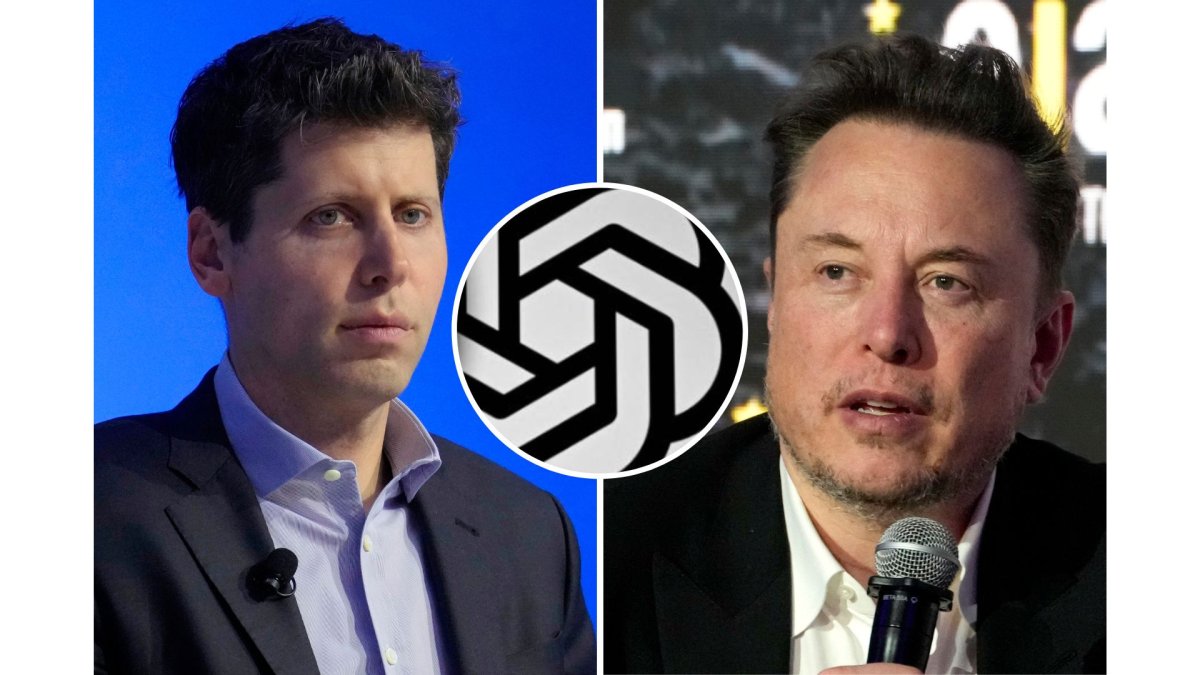
In a bold move, Sam Altman, the CEO of OpenAI, rejected Elon Musk’s $97.4 billion bid to take control of the organization, responding with a lighthearted “No thank you.” Rather than engaging further with Musk’s offer, Altman humorously proposed that Musk might want to consider buying X, the social media platform Musk owns, at a much lower cost.
This firm rejection of Musk’s proposal has sparked a fresh wave of tension between the two tech giants. Musk, who co-founded OpenAI but stepped down from its board years ago, has voiced his concerns about the company’s pivot toward a more commercialized approach, moving away from its nonprofit origins. Musk’s investment group, which includes several high-profile backers, believes OpenAI should be realigned with its original mission to ensure that artificial intelligence benefits all of humanity.
In contrast, Altman and the current leadership of OpenAI have stood firm on the importance of its for-profit status, arguing that it is crucial for sustaining the company’s growth and supporting its ambitious AI research. In the wake of Musk’s bid, Altman reiterated OpenAI’s dedication to advancing AI responsibly, despite Musk’s continued criticism.

Altman’s dismissive response also reflects the ongoing personal and professional tensions between the two figures, which began when Musk left the board of OpenAI in 2018. Musk has since accused OpenAI of losing its focus, while Altman has stressed the importance of corporate partnerships to fund AI research and development.
In a surprising turn, Altman’s counteroffer suggested that Musk should focus his attention and resources on acquiring X, the platform formerly known as Twitter, which Musk has owned since 2022. This witty counteroffer adds a new layer to their rivalry, highlighting Altman’s desire to keep OpenAI independent and focused on its goals.
The exchange between Musk and Altman has reignited the debate over corporate involvement in AI’s future. Musk, a vocal critic of big tech’s unchecked power, argues that OpenAI’s growing corporate relationships, particularly with Microsoft, undermine its original mission. Altman, however, defends these partnerships as necessary to ensure the resources required to drive cutting-edge AI innovation.
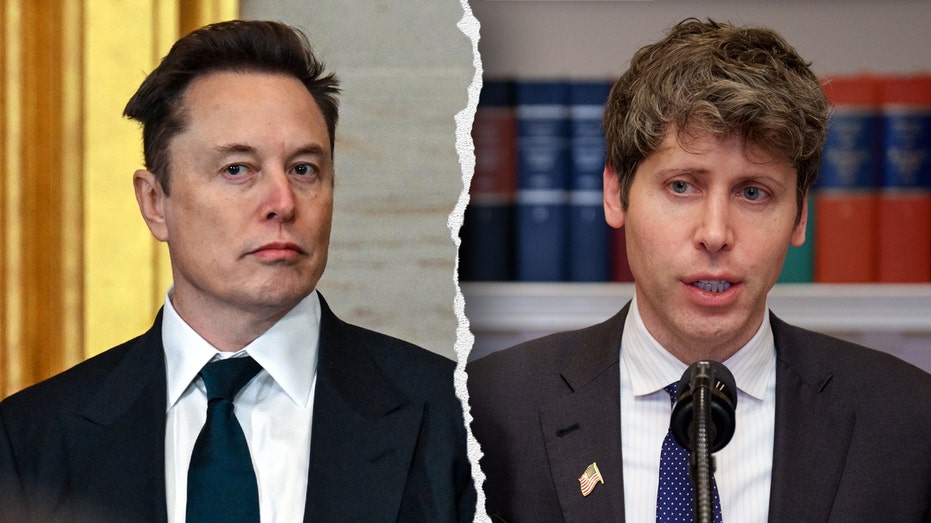
Musk’s $97.4 billion offer, though remarkable, emphasizes his increasing influence in the tech world and his desire to reshape AI’s future. However, Altman’s firm refusal suggests that OpenAI is not likely to alter its course or leadership anytime soon. The company seems intent on balancing the need for funding with its commitment to ethical AI research.
As this conflict unfolds, the tech community and beyond will be watching closely to see how the rivalry between Musk and Altman develops. The outcome of this battle for control over one of the world’s most influential AI organizations could have significant consequences for the future of technology, innovation, and regulatory practices in artificial intelligence.