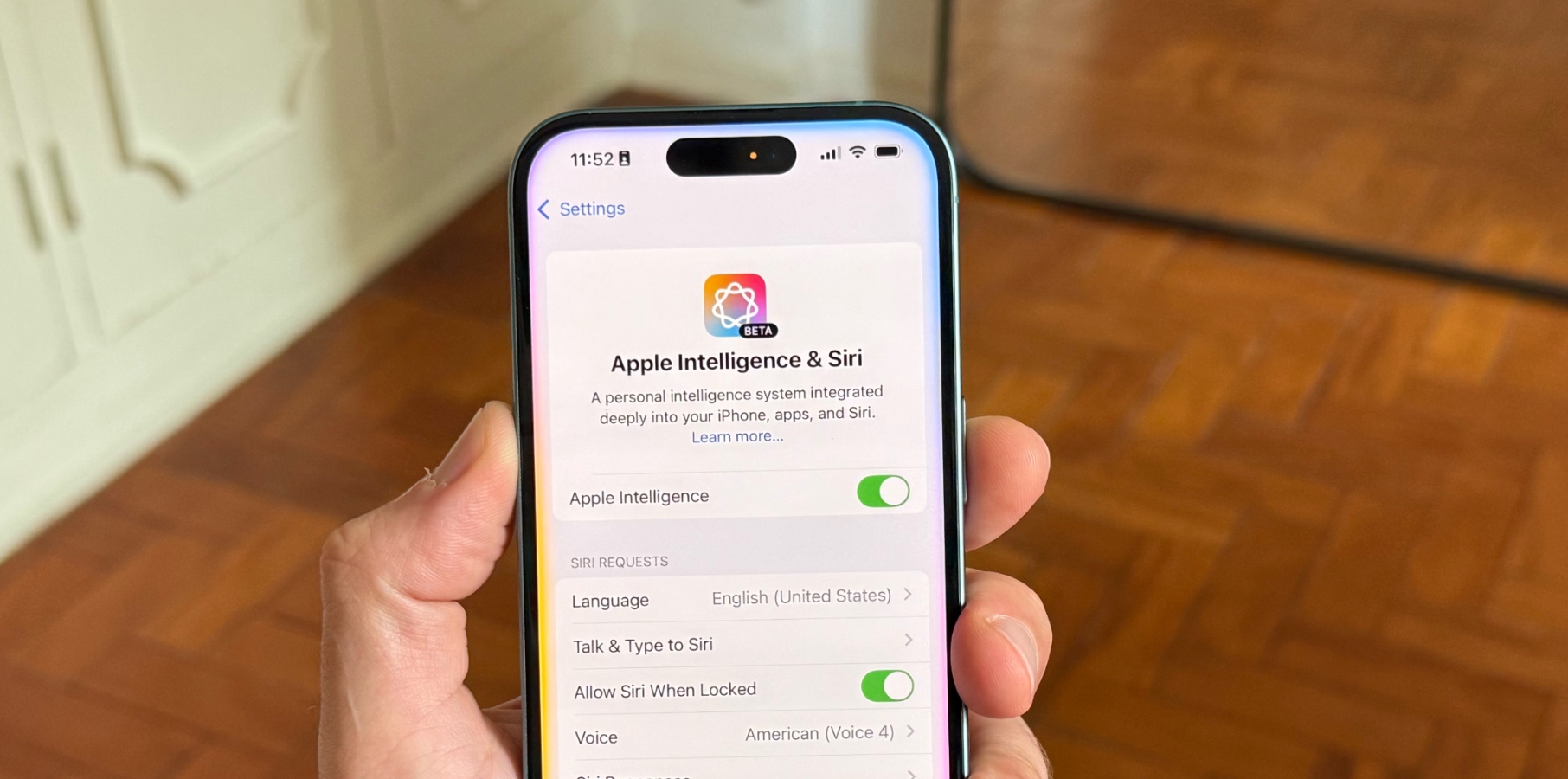
Apple is entering a significant new phase of collaboration in China as it partners with Alibaba to integrate the tech giant’s artificial intelligence (AI) capabilities into iPhones sold in the region. This unprecedented move signifies Apple’s growing commitment to the Chinese market, where it faces heightened competition from local smartphone manufacturers and increasing regulatory scrutiny. The partnership will primarily focus on incorporating Alibaba’s AI technologies into iPhone features such as Siri, the voice assistant, and other smart capabilities that leverage machine learning to improve user experience.
The collaboration between Apple and Alibaba, two of the most influential tech companies in the world, marks a pivotal shift in Apple’s approach to its business in China. While Apple has long been cautious about its operations in the country due to complex geopolitical tensions and stringent local regulations, this partnership underscores the importance of catering to the distinct needs of Chinese consumers.
Why Alibaba?
Alibaba, China’s leading e-commerce platform, has been at the forefront of AI development, with its cloud division, Alibaba Cloud, being a key player in the global cloud computing market. With expertise in machine learning, natural language processing (NLP), and facial recognition technology, Alibaba’s AI capabilities are already widely used in applications ranging from cloud services to smart city solutions. Its advanced AI solutions have already been incorporated into various Alibaba products, such as the digital assistant “AliGenie,” which powers the company’s smart devices.

Apple’s decision to tap into Alibaba’s AI prowess comes as the company looks to enhance its AI-driven features in ways that are more tailored to Chinese consumers. Siri, Apple’s voice assistant, has faced challenges in China due to the complexity of the Chinese language and unique regional preferences. By partnering with Alibaba, Apple hopes to refine Siri’s ability to understand Mandarin and Cantonese, providing a more localized and efficient experience.
Enhancing iPhone Features
The key benefits of this collaboration will likely be seen in several areas of the iPhone’s functionality. Siri’s natural language processing abilities will see a significant boost, making it more fluent and capable of understanding regional dialects, colloquialisms, and accent variations in China. Additionally, Alibaba’s AI will improve the overall user experience by enhancing predictive algorithms and providing smarter recommendations across apps like Maps, Messages, and Safari.
One of the standout features could be enhanced integration with Alibaba’s own ecosystem of services, including Alipay, the popular mobile payment system, and Tmall, Alibaba’s e-commerce platform. These integrations could streamline e-commerce transactions and facilitate more personalized shopping experiences for iPhone users in China, bridging the gap between Apple’s hardware and the extensive ecosystem Alibaba has developed.
Moreover, Alibaba’s expertise in AI-powered retail and logistics could also benefit Apple’s App Store. With improved recommendations driven by Alibaba’s machine learning algorithms, iPhone users may enjoy a more personalized and engaging experience when browsing and downloading apps.
Strategic Implications
The move to partner with Alibaba also has significant strategic implications for Apple. China is a key market for the company, but competition from local firms like Huawei and Xiaomi has been intensifying. By incorporating Alibaba’s AI capabilities, Apple not only enhances its product offerings but also strengthens its position against these domestic challengers.
However, this collaboration also signals a shift in Apple’s global approach. While the company has traditionally kept its operations in China at arm’s length in certain areas, it is increasingly recognizing the need to localize its offerings to stay competitive. By aligning itself with one of China’s tech titans, Apple is navigating the increasingly complex relationship between American tech firms and Chinese regulations, while simultaneously tapping into the region’s fast-evolving tech ecosystem.
In conclusion, Apple’s partnership with Alibaba to power its AI features in China represents a significant moment in the tech industry. As the two giants collaborate to refine the iPhone’s capabilities, the move demonstrates the growing influence of AI in shaping the future of mobile devices. For Chinese consumers, it means a more intelligent, personalized experience, and for Apple, it may pave the way for deeper integration into the heart of China’s digital economy.