In a rising diplomatic controversy, the Mexican government has threatened legal action against Google after the tech giant altered the name of the Gulf of Mexico on its maps, changing it to “Gulf of America” for users in the United States. The move, which was implemented as part of the U.S. government’s executive order aimed at rebranding geographical names, has sparked strong opposition from Mexico, which views the change as an infringement on its sovereignty.
The dispute began in early February 2025, when Google Maps updated its mapping service to display the “Gulf of America” on maps shown to U.S. users. The updated name was also shown as “Gulf of Mexico (Gulf of America)” in regions outside of North America. The alteration followed an order from former U.S. President Donald Trump, who had pushed for the rebranding of the gulf as part of his “America First” policy.
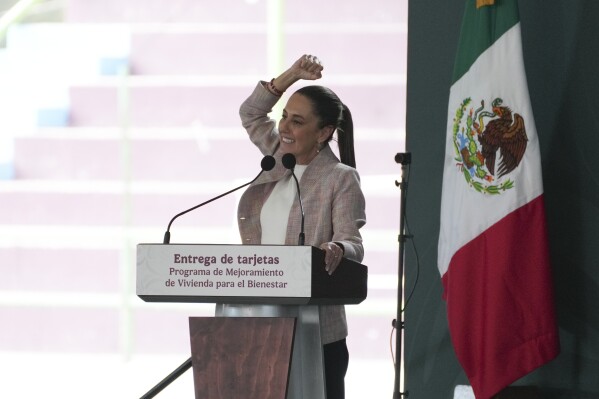
Mexico quickly responded with outrage, asserting that the name “Gulf of Mexico” has been internationally recognized for centuries, dating back to its first use in the early 1600s. The Mexican government argued that this unilateral change violates both historical precedent and its territorial rights, as the gulf is a vital part of its coast. In a public statement, Mexican President Claudia Sheinbaum emphasized that the renaming of the gulf was an affront to the nation’s sovereignty and its people.
In response to Google’s decision, the Mexican government has demanded that the company revert the name back to the “Gulf of Mexico” on its platform. Sheinbaum warned that if Google fails to comply with the request, Mexico would pursue legal action, including the possibility of filing a lawsuit against the tech giant.
Google has defended its actions, stating that the name change was implemented to reflect U.S. government decisions and to ensure consistency across its mapping services. The company also emphasized that it adheres to neutral guidelines when displaying geographical names.
This confrontation between Mexico and Google raises important questions about the influence of technology companies in global geopolitics, as digital platforms continue to play an ever-larger role in shaping public perception and historical record. The outcome of this dispute could set a precedent for how tech companies handle political and territorial disputes, especially as digital services grow in reach and power.

As of now, Mexico is awaiting a response from Google, and the government has made it clear that legal action is on the table if the issue is not resolved to its satisfaction. The situation remains fluid, and both parties are expected to continue negotiations in the coming weeks.