In a sweeping move that has rocked the semiconductor industry, a new report indicates that two-fifths of the staff at the office overseeing the Chips Act, a landmark initiative aimed at bolstering U.S. semiconductor manufacturing, are set to be terminated. The purge, described as a result of shifting political priorities under the Trump administration, is expected to have significant implications for the program’s implementation and long-term goals.
The Chips Act, passed into law in 2022, provides billions of dollars in funding to support the growth of semiconductor manufacturing within the United States, with an emphasis on national security and reducing reliance on foreign supply chains. The office managing this initiative is tasked with ensuring the proper distribution of funds, fostering industry innovation, and facilitating partnerships between the government and private tech firms.
According to sources familiar with the matter, the decision to eliminate a substantial portion of the office’s workforce comes as part of a broader reorganization under the new leadership. Former President Donald Trump’s influence, following his re-election bid, appears to be driving a more stringent approach to government operations, with a specific focus on cutting what his allies deem as “unnecessary” bureaucratic roles.
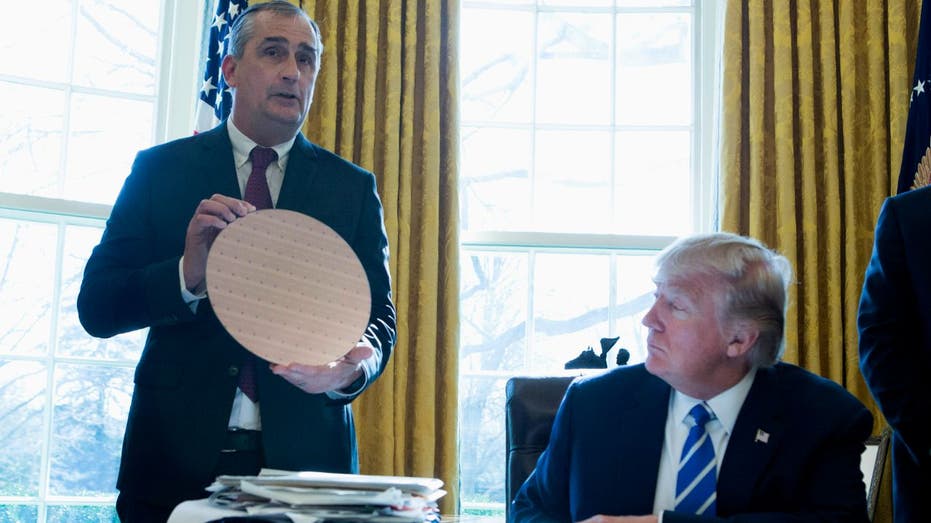
The staff cuts are said to impact key personnel involved in the coordination of grants, policy creation, and oversight of the semiconductor industry’s growth. Insiders have expressed concern that such drastic reductions in staff could delay the roll-out of key programs under the Chips Act, especially given the rapid pace at which the semiconductor shortage has affected global supply chains.
Several government officials, speaking anonymously, warned that the purge could set back efforts to reshore semiconductor production, a priority for national security. The U.S. government has long been concerned about the reliance on overseas manufacturers, particularly in Taiwan and China, for critical chips used in everything from smartphones to defense technologies.
“Reducing the staff in the Chips Act office is not just about budget cuts,” one source said. “It’s about reshaping the priorities of the office to reflect the Trump administration’s broader vision for American manufacturing, which focuses on rapid job creation, deregulation, and fiscal conservatism. However, this may come at the cost of long-term planning and industry expertise.”
The move is not without its critics, many of whom fear that the purges will disrupt the collaborative nature of the semiconductor industry’s expansion efforts. Experts have noted that the Chips Act office’s role in fostering communication between federal agencies, private companies, and local communities has been crucial in the strategic rollout of manufacturing facilities and research institutions.
Despite these concerns, Trump loyalists within the administration argue that such measures are necessary to restore the program’s focus and streamline operations. They emphasize that the reduction in staffing will help eliminate perceived inefficiencies and align the Chips Act’s objectives with the former president’s broader economic agenda.
“The reorganization will make the office more efficient and responsive,” said one senior administration official close to the situation. “This is about delivering results faster and with fewer obstacles. We need to be able to compete on the global stage and meet the growing demand for semiconductors.”
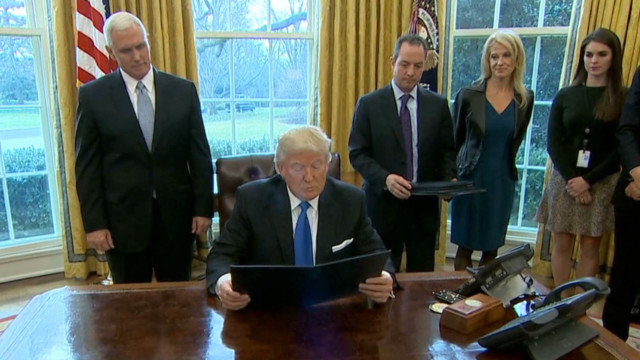
The Chips Act was hailed as one of the most significant federal investments in the tech sector in decades, and its long-term success could determine the U.S. position in global semiconductor markets. The workforce cuts at the office may be a signal of the ongoing tensions between the federal government’s evolving priorities and the urgent need for a robust and stable semiconductor supply chain.
As the situation develops, many are watching closely to see how the changes affect not just the Chips Act but the broader tech landscape in America. Industry leaders and policymakers are left grappling with the dual challenge of navigating political upheaval while attempting to ensure the success of a critical program that could determine the future of U.S. technological leadership.