


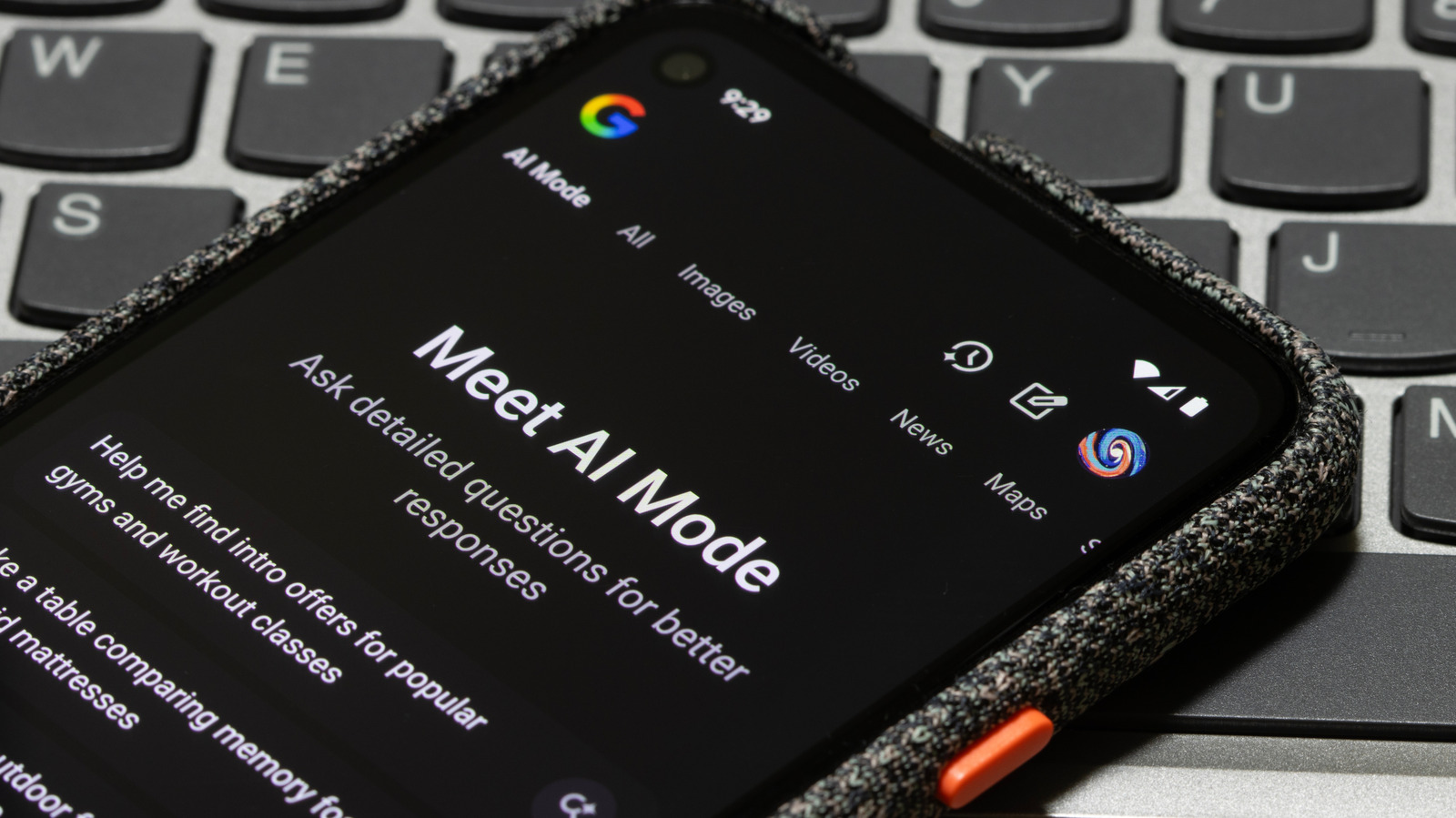
In a landmark evolution of online search, Google has officially rolled out a new interactive feature called Search Live in the United States. Integrated within the company’s broader AI Mode initiative, this new offering transforms how users engage with search by enabling real-time, multimodal conversations powered by advanced artificial intelligence.
Search Live allows users to interact with Google not just through text, but also via spoken questions and live video input, creating a dynamic, responsive, and more natural way of retrieving information. This update marks a significant departure from the traditional search box format, positioning search as an ongoing dialogue rather than a one-off query.
A New Era of Search
At the heart of Search Live is Google’s ambition to make information access more human. Rather than requiring users to carefully craft keyword strings and sift through web links, Search Live invites users to simply ask a question out loud — or even show the AI what they’re looking at through their phone’s camera — and get instant, intelligent responses.
Users can start a session by tapping a new “Live” button within the Google app. Once activated, Search Live listens to spoken queries, processes them through a specialized version of Google’s Gemini AI model, and replies aloud with accurate, context-aware answers. The app also displays supporting content such as relevant links, images, and summaries on-screen while the AI responds.

What sets this mode apart is its ability to understand and maintain conversational context. Users can follow up with additional questions without rephrasing or repeating themselves. For example, after asking “What’s the weather like in New York today?”, a user can follow up with “What about tomorrow?” and the AI understands the reference.
Video Search Comes Alive
One of the most exciting additions to Search Live is video support. This allows users to activate their phone camera during a search session, giving the AI visual input to work with. For instance, a user could point their camera at a product, plant, dish, or even a piece of machinery, and ask, “What is this?” or “How do I use this?”
The AI processes the live video feed in real time, identifying objects, extracting details, and combining visual data with voice interaction to give informative responses. This creates powerful use cases in education, travel, repairs, shopping, cooking, and more — essentially turning the smartphone into an intelligent assistant that sees, hears, and responds.
This level of multimodal interaction — combining audio, video, and text — is a leap forward in making search more intuitive and aligned with how humans naturally communicate.
Designed for Flexibility and Accessibility
Search Live is built with user flexibility in mind. Users can switch between speaking and typing at any time, mute the audio if they prefer silent responses, and view a transcript of the ongoing conversation. This makes it accessible to a wide range of users, including those with hearing or speech impairments or those in environments where speaking aloud isn’t ideal.
Importantly, this feature is fully opt-in. Users must activate AI Mode via Google Labs in the Google app, ensuring control over when and how they use the feature. Privacy settings allow users to manage data sharing, especially when using camera input.
Not Just Smarter—More Human
The shift from traditional search to Search Live represents more than just a technological improvement — it reflects a new philosophy in how we interact with digital systems. Instead of treating search as a transaction (input → result), Google now sees it as a conversation. This approach makes the experience more fluid and personal, especially as the AI remembers context, adjusts tone, and reacts to visual clues.
For example, a parent helping a child with homework can hold the phone over a worksheet and ask, “Can you help solve this?” Or a traveler could point their phone at a street sign in another language and ask, “What does this mean?” In both cases, Search Live responds quickly with translated, spoken answers and relevant follow-ups.
A Glimpse of the Future
Though currently limited to users in the United States, Google has confirmed that Search Live will eventually expand to other regions. More features are also on the horizon, including document interaction (e.g., reading PDFs or summarizing articles), deeper integration with mobile apps, and enhancements to visual recognition and voice nuance.
While still in its early stages, the feature showcases how far conversational AI has come — and hints at how integral it will be to daily life moving forward.
There are, of course, challenges. Live voice and video interactions require significant computing power, raising questions about battery usage, data privacy, and access for users with limited connectivity. There’s also the ongoing concern of AI accuracy, especially in complex or sensitive topics. However, Google has stated that user safety and reliability are at the core of the product’s development.
A More Natural Way to Search
With Search Live, Google is not just making search faster — it’s making it feel more like talking to a helpful expert by your side. Whether you’re asking a casual question, exploring a complex topic, or pointing at something you don’t understand, Search Live aims to respond in real time with clarity, empathy, and intelligence.
As AI technology continues to evolve, features like this are set to redefine not only how we find information, but how we expect technology to communicate with us. For now, Search Live is a bold first step into a more interactive, human-centered digital experience — and it’s available today for users across the U.S.
