In a landmark move that could signal a shift in institutional investment sentiment, the Lehigh County Employees’ Retirement Fund in Pennsylvania has voted to cease purchasing new shares of Tesla Inc., making it the first known pension fund in the United States to formally halt additional investments in the electric vehicle giant.
The decision, made by a 4-2 vote of the pension board, reflects growing concern among public fund managers about Tesla’s recent financial performance and the increasingly controversial role of its CEO, Elon Musk, in political discourse. While the fund will continue to hold its current passive investments in Tesla, the board has directed its financial managers to explore avenues for potential divestment in the future.
Controller Mark Pinsley, who introduced the measure, said the move was rooted in fiduciary responsibility. “Our obligation is to safeguard the retirement futures of Lehigh County’s employees. Given Tesla’s volatility, declining performance, and growing brand challenges under Musk’s leadership, continuing to buy more of this stock poses an unnecessary risk,” he stated.
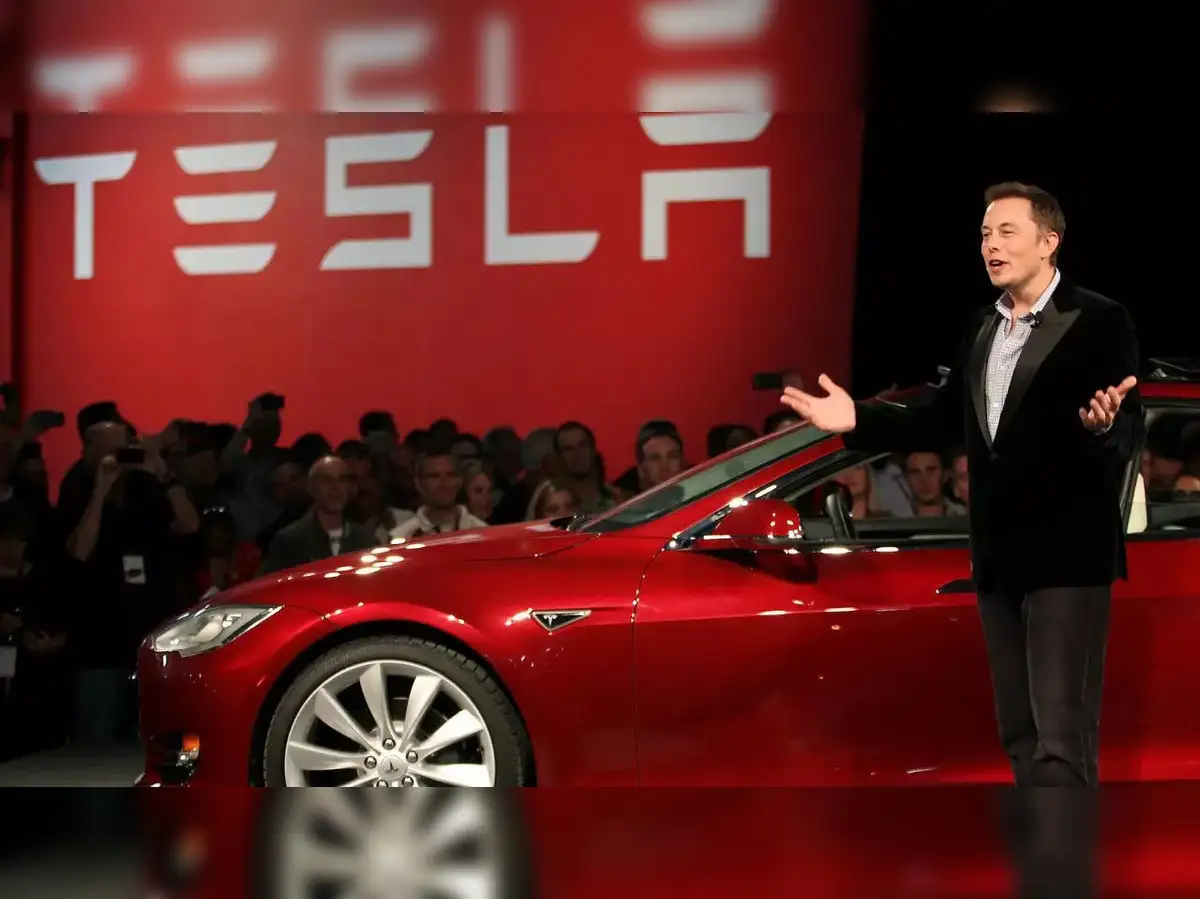
Tesla, once the undisputed leader in the electric vehicle market and a darling of tech-focused investors, has seen its stock price decline by over 27% since the beginning of 2025. The company’s latest quarterly earnings report revealed a 71% drop in net income and a 20% year-over-year decline in automotive revenue, alarming analysts and investors alike. These figures mark a significant departure from the high growth trajectory the company enjoyed through much of the last decade.
Compounding concerns over financial performance are the increasingly politicized public actions of CEO Elon Musk. Musk’s vocal presence in political debates, particularly on social media platforms he controls, has sparked backlash and, in some cases, boycotts. Critics argue that his political activity has damaged Tesla’s brand and distracted from the company’s core business.
Pinsley emphasized that the fund’s decision was not based solely on political disagreement but on the economic implications of Musk’s behavior. “When the CEO of a public company repeatedly makes headlines for political reasons, it can erode consumer trust and drive away potential buyers and investors. This has very real financial consequences,” he said.
The Lehigh County move comes amid a broader wave of scrutiny surrounding Musk and Tesla. Internationally, pension funds in the Netherlands and Denmark have already divested from Tesla, and a growing number of institutional investors in the U.S. are reportedly reevaluating their positions. In New York, more than 50 state lawmakers recently urged the state’s retirement system to begin divesting its Tesla holdings, which total more than $1 billion.
Some members of the Lehigh pension board opposed the motion, citing concerns over the optics of making politically charged investment decisions. One dissenting member warned that the move could set a precedent for divesting from other firms based on leadership views rather than financial fundamentals. However, the majority of the board sided with Pinsley, noting that Tesla’s stock has underperformed relative to peers and that Musk’s erratic leadership style introduces unnecessary risk.

Financial experts suggest the Lehigh County decision could be a bellwether for further institutional cooling on Tesla. As pension funds and large asset managers face increasing pressure to account for social and governance factors alongside traditional financial metrics, high-profile executives like Musk may find their behavior under more intense scrutiny.
While Tesla remains one of the world’s most recognized automotive brands, its challenges are mounting. As competitors catch up technologically and Musk’s leadership continues to draw controversy, more public funds may join Lehigh County in reassessing whether Tesla fits within their long-term investment strategies.