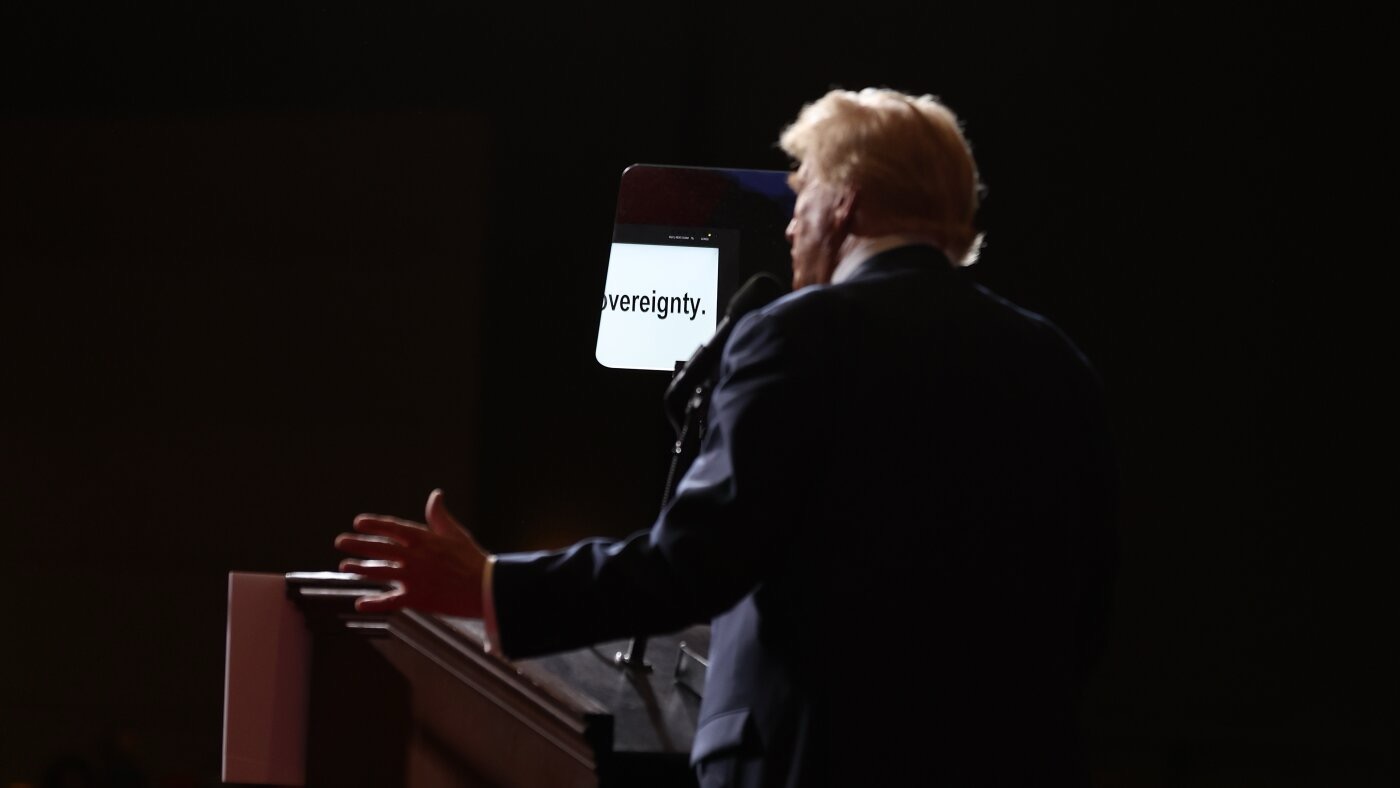
The Trump administration has taken down several key federal websites dedicated to climate change, a move that has sparked widespread concern among scientists, policymakers, and environmental advocates. The affected sites include portals previously managed by the U.S. Global Change Research Program and the National Climate Assessment—both central to public understanding of climate risks and government strategies for adaptation.
For years, these websites served as critical hubs for climate data, forecasts, and region-specific analyses. They offered valuable tools for everyone from local planners designing infrastructure resilient to rising sea levels, to farmers adjusting to shifting weather patterns, to emergency managers preparing for floods, droughts, and wildfires. Their removal, announced without clear alternatives or explanations, has raised serious questions about transparency and the administration’s stance on climate science.
According to officials, the content has not been permanently deleted but is being “relocated” to other federal websites, such as NASA’s digital platforms. However, as of early July, the information has not been made accessible elsewhere, and no clear instructions have been provided to help users find the data. Critics argue that the move amounts to an effective erasure of vital public resources, creating unnecessary barriers to information that has long been openly available.
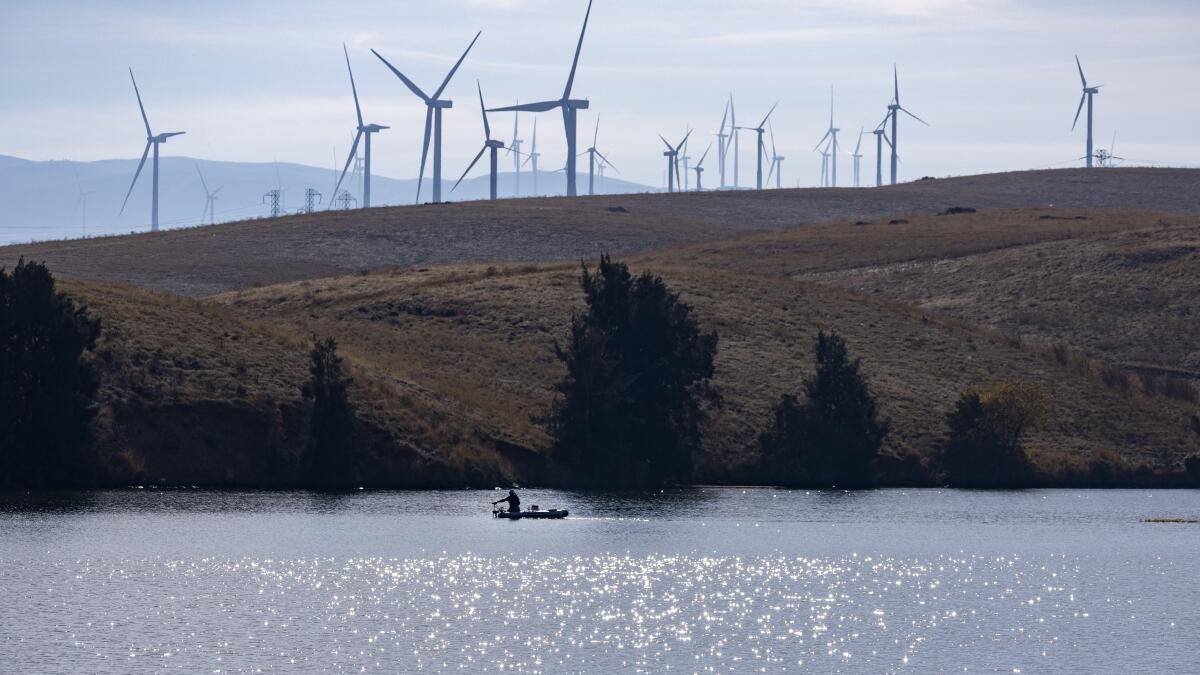
Scientists across the country have reacted strongly, warning that the disappearance of these resources could have tangible consequences. The National Climate Assessment, in particular, is known for offering detailed, peer-reviewed projections that help local and state governments prepare for the impacts of climate change. Without such tools, officials may find it more difficult to justify and implement climate adaptation measures, particularly in communities already vulnerable to extreme weather.
“This isn’t just about a website going dark,” said one climate researcher. “It’s about cutting off access to data that informs public safety, infrastructure investment, and long-term resilience. Communities rely on this information to make responsible decisions.”
The administration’s decision appears to be part of a broader effort to roll back public-facing information related to climate science and environmental policy. Over the past several months, thousands of web pages and datasets related to environmental justice, climate risk, and scientific research have quietly disappeared from federal websites. The trend has alarmed not just scientists, but also city officials, business leaders, and even some within government agencies who depend on that information.
The takedown has also triggered legal scrutiny. Under the Global Change Research Act of 1990, the federal government is required to produce and disseminate regular assessments of climate change and its effects on the United States. Some legal experts argue that restricting public access to these assessments could constitute a violation of that law, especially if no accessible replacement is provided.
Environmental organizations and advocacy groups are reportedly preparing to challenge the decision in court. They argue that the removal of such information not only hampers public understanding of climate risks but also threatens the country’s preparedness and resilience in the face of accelerating environmental change.
In the absence of official federal resources, some states and independent researchers are stepping in to fill the gap by creating their own climate data repositories. However, these efforts face funding and capacity limitations, and they lack the broad reach and authority of federally maintained platforms.
As climate-related disasters—from heatwaves to hurricanes—continue to grow in frequency and severity, many fear the loss of trusted scientific communication could have long-term consequences. With future assessments already in doubt and staffing for climate research programs cut or reassigned, the future of federally coordinated climate science remains uncertain.
For now, the removal of these websites marks a significant setback for transparency and preparedness, leaving many Americans without access to the information they need to confront a rapidly changing climate.