In a move that’s raising eyebrows across the automotive world, Volkswagen has introduced a subscription-based model that puts a price tag on something car buyers have traditionally taken for granted: horsepower. That’s right — the German automaker is now offering performance upgrades not as one-time purchases, but as monthly or yearly subscriptions.
Under this new system, certain Volkswagen models will leave the factory with hardware capable of delivering more power than customers can access out of the box. If drivers want to unlock the full performance their car is capable of, they’ll have to pay an ongoing fee. What was once part of the thrill of owning a powerful vehicle has now become another line item on a digital invoice.
The New Model of Performance
Volkswagen’s system is designed to give drivers “flexibility” in how they use their vehicles. A customer might buy a new EV or hybrid with an engine or motor capable of delivering, say, 280 horsepower. However, without a subscription, they may only get access to 230 horsepower. Want the rest? Open the app, click subscribe, and enjoy the boost — for a price.
The company says this approach benefits customers who don’t always need full power and prefer to activate it only during long trips, weekend drives, or special occasions. The subscriptions can be activated on a monthly basis or even in some cases for shorter periods like a weekend or a day.
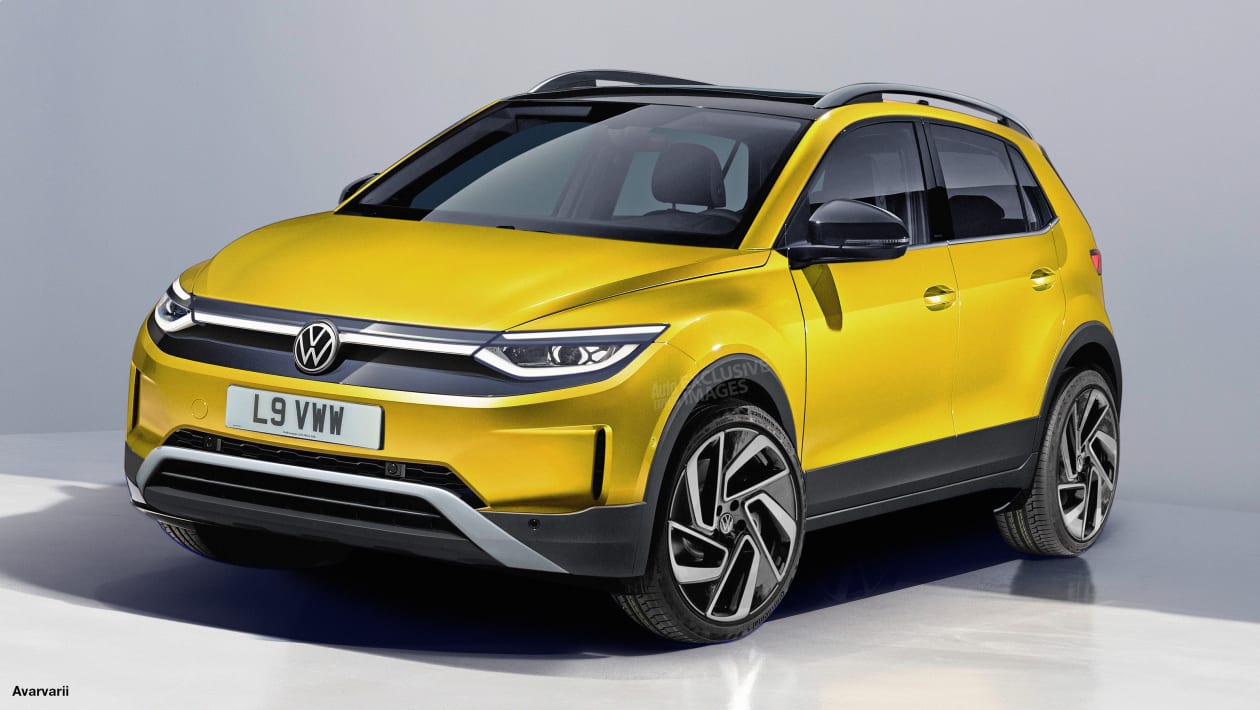
From a business standpoint, it’s a new way to generate revenue after the sale. For Volkswagen, it’s about transitioning from being just a carmaker to a service provider — much like how tech companies rely on subscription models for long-term profits.
Drivers React
But for many car owners, the news has not gone over well. The idea of paying a monthly fee to unlock performance that the car is already capable of delivering feels, to some, like being charged twice for the same product.
The reaction online has been swift and critical. Many drivers argue that if the hardware is already installed and paid for, they should have access to everything it can do. Critics point out that this model treats features like speed and performance as luxuries, rather than integral aspects of the car they’ve purchased.
Some consumers fear that this is just the beginning. If horsepower can be locked behind a paywall, what’s next? Will drivers have to subscribe to heated seats, power steering, or air conditioning? The slippery slope argument has gained traction, especially among those already frustrated with rising costs of vehicle ownership.
A Broader Trend
Volkswagen isn’t alone in exploring this model. Several automakers have started experimenting with paywalled features in recent years, testing everything from heated seats to advanced driving modes as part of optional digital services. The automotive industry is clearly moving toward software-defined vehicles, where many aspects of a car’s behavior are controlled through code — and can be changed, restricted, or unlocked remotely.
From a manufacturer’s perspective, this opens up new possibilities. Cars can be built with a single set of hardware, reducing production complexity, and then differentiated through software. It also allows them to adapt pricing strategies to customer habits, offering features as time-limited services rather than permanent upgrades.
But while this benefits automakers, it leaves many customers uneasy. Traditionally, buying a car meant owning every part of it, from the engine block to the last line of code. Now, that relationship is shifting. More and more, automakers are acting like tech companies, and customers are being treated less like owners and more like users — with access rights instead of full control.
The Ownership Debate
This shift raises deeper questions about what it means to own something in the digital age. If a car’s features can be turned on or off remotely, do drivers truly own their vehicles? Or are they just leasing performance, convenience, and comfort on a rolling basis?
For older drivers and traditionalists, this model runs counter to the very spirit of car ownership. Cars have always symbolized freedom and independence — but a subscription-based driving experience feels more like a controlled, pay-as-you-go service.
Enthusiasts, in particular, are worried. Tuning and modifying cars has been part of car culture for decades. But with more features tied to proprietary software and cloud-based controls, that culture could be under threat. If performance is locked behind a subscription, and tampering with software voids warranties or breaks digital locks, the age of DIY upgrades could be coming to an end.
.jpg)
Looking Ahead
Volkswagen remains optimistic about the future of subscription-based features. The company believes it can offer customers more personalization and flexibility, while creating a new revenue stream to fund the shift to electric and software-driven vehicles.
But whether customers will accept this model long-term remains to be seen. As subscription fatigue continues to grow across industries — from streaming platforms to productivity apps — there’s a real risk that drivers will push back.
One thing is certain: the automotive landscape is changing. Cars are no longer just machines — they’re becoming digital platforms, and that comes with a new set of rules, challenges, and frustrations.
For now, drivers might want to double-check what exactly they’re getting when they buy a new car — and what they’ll have to pay extra for each month just to use what’s already under the hood.