Nvidia Corporation has once again made history, reaching an unprecedented market capitalization of $5 trillion, becoming the first publicly traded company ever to achieve this milestone. As the company cements its dominance in artificial intelligence (AI) and computing technology, its founder and CEO, Jensen Huang, has quietly concluded a planned share sale totaling approximately $1 billion. The move, though anticipated, has drawn significant attention from investors and analysts alike as it coincides with one of the most remarkable valuations in corporate history.
A Record-Breaking Moment
The $5 trillion valuation marks a defining moment in Nvidia’s evolution from a specialized graphics chip manufacturer to the beating heart of the global AI revolution. Once best known for powering gaming PCs, the company now designs and supplies the advanced semiconductors that drive the world’s largest data centers, cloud computing services, and AI training systems.
Nvidia’s meteoric rise has been fueled by surging demand for its graphics processing units (GPUs), which have become indispensable for training large AI models and running complex data workloads. Over the past three years, Nvidia’s stock has climbed more than 1,000 percent, as its chips became the foundational hardware for generative AI systems, robotics, and autonomous vehicles.
This explosive growth has not only transformed Nvidia into a household name but also elevated Huang into one of the most influential figures in the technology industry. Under his leadership, the company has repeatedly defied expectations, capitalizing on emerging AI trends with surgical precision.
The Share Sale: Timing and Strategy
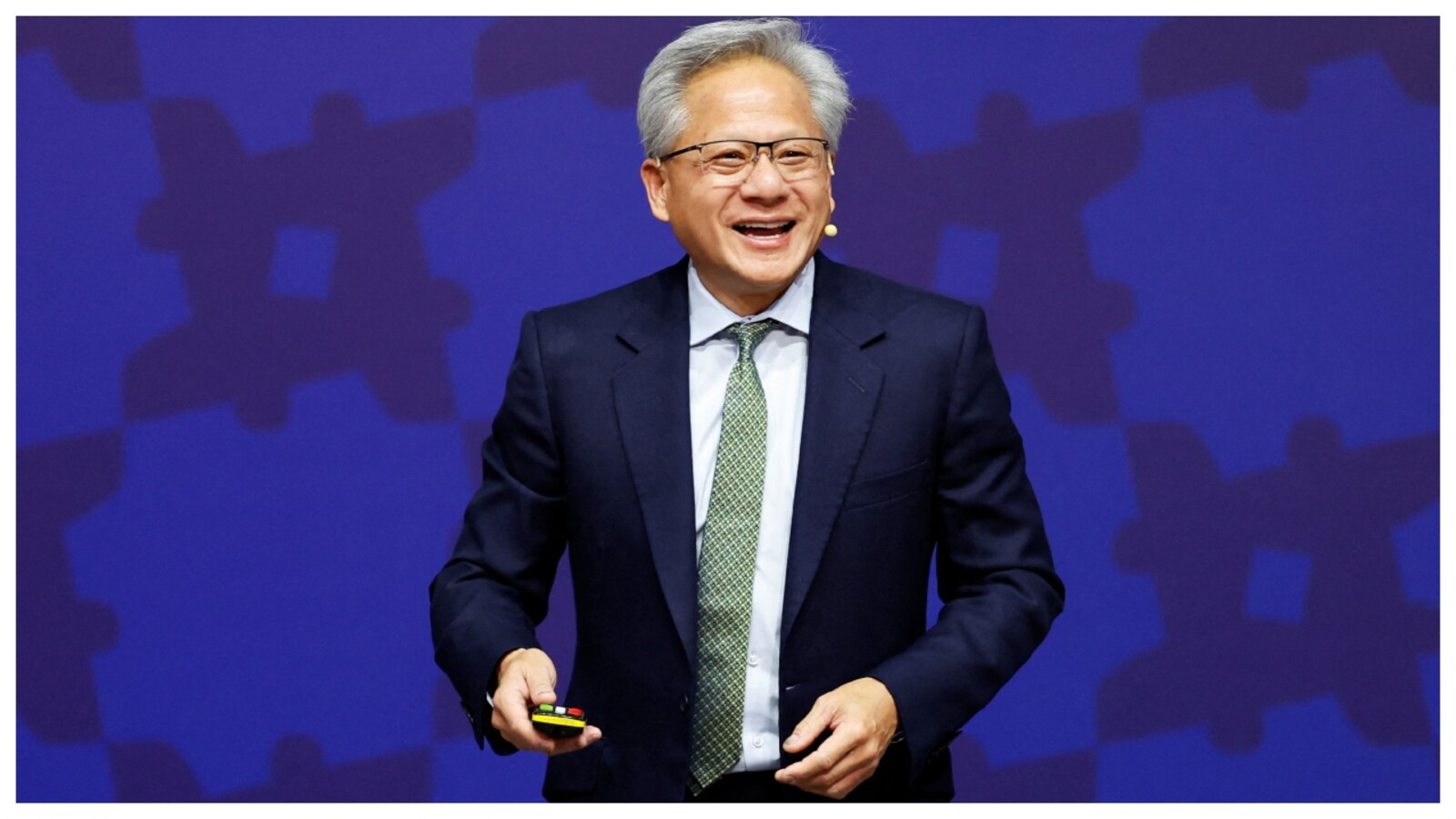
Huang’s $1 billion share sale was part of a prearranged trading plan established under U.S. securities regulations, specifically Rule 10b5-1, which allows company executives to sell portions of their stock holdings according to a predetermined schedule. The program, initiated earlier this year, unfolded over several months as Nvidia’s stock price surged to record levels.
In total, Huang sold hundreds of thousands of shares across multiple tranches, with the average sale price hovering around the $205–$210 range. What began as an estimated $865 million in potential proceeds at the start of the plan ultimately grew to more than $1 billion as Nvidia’s share price climbed more than 40 percent during the execution period.
Despite the sale, Huang remains deeply invested in the company’s future. He continues to hold nearly 70 million shares, maintaining significant voting control and long-term influence over Nvidia’s direction. The sale represents only a small fraction of his total stake and appears to be a carefully timed liquidity event rather than an indication of waning confidence.
Still, the transaction has naturally sparked conversation on Wall Street. When a high-profile CEO sells such a large volume of shares, investors often question whether it signals caution or simple portfolio management. However, analysts point out that the move was fully transparent, preplanned, and consistent with Huang’s long-term financial strategy.
Nvidia’s AI Dominance
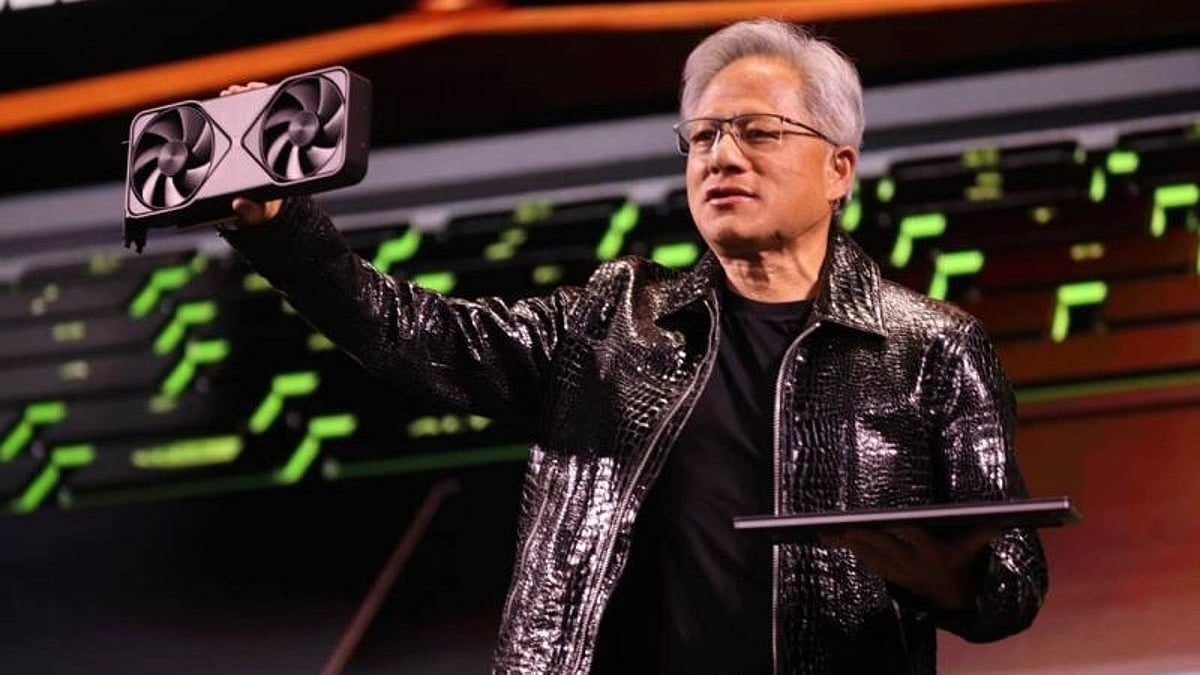
Nvidia’s market performance reflects the company’s near-total dominance in AI computing. Its GPU architectures—most notably the Hopper and Blackwell series—are the gold standard for training and deploying large AI models used by companies like OpenAI, Google, Meta, and Microsoft.
The company has also expanded its presence across multiple sectors. Beyond hardware, Nvidia has built a vast software ecosystem, including CUDA, AI Enterprise, and Omniverse, enabling developers and corporations to build and deploy AI solutions with greater efficiency. This integrated approach has given Nvidia a competitive moat that few rivals can match.
The financial results speak for themselves. Over the past year, Nvidia’s revenues have more than tripled, driven by record orders from hyperscale data centers and cloud providers racing to expand their AI capabilities. The company has even begun referring to itself as the backbone of the “AI factory,” supplying the essential tools that power modern machine intelligence.
Market and Investor Sentiment
As Nvidia’s valuation crosses the $5 trillion threshold, it surpasses several of the world’s most valuable corporations, including Apple, Microsoft, and Saudi Aramco, which had previously vied for the top spot in global market capitalization. Investors have rewarded the company’s consistent execution, aggressive innovation, and dominant market position.
Yet, with such extraordinary growth comes heightened scrutiny. Some market observers caution that Nvidia’s valuation may have outpaced its near-term earnings potential. The AI boom, they argue, has created a speculative fervor reminiscent of past tech bubbles. Nevertheless, others believe that the current AI cycle represents a genuine technological transformation with long-lasting economic impact.
Huang himself has dismissed concerns of an “AI bubble,” emphasizing that the technology is only at the beginning of its adoption curve. He has repeatedly stated that Nvidia has visibility into hundreds of billions of dollars in future revenue opportunities, with customers across virtually every industry—from healthcare and finance to manufacturing and entertainment—rushing to integrate AI solutions.
The Bigger Picture
The timing of Huang’s share sale could not be more symbolic. By locking in $1 billion in proceeds at the exact moment Nvidia reached a once-unthinkable valuation, he has underscored both the company’s success and the personal fortune he has built from decades of innovation.
However, the sale also highlights a critical phase for Nvidia. The company now faces the challenge of sustaining its explosive growth amid rising competition and regulatory pressures. Rival chipmakers like AMD and Intel are racing to catch up, while major tech firms are developing their own custom AI processors to reduce reliance on Nvidia’s GPUs.
Geopolitical tensions also loom large. U.S. export restrictions on advanced chips to China could limit access to one of Nvidia’s most important markets, while global supply-chain constraints continue to test production capabilities.
Despite these headwinds, few doubt Nvidia’s ability to adapt. The company’s track record of technological reinvention—combined with Huang’s visionary leadership—has consistently kept it ahead of competitors.
Conclusion
Jensen Huang’s $1 billion share sale represents both a personal milestone and a moment of reflection for Nvidia. The company’s ascent to a $5 trillion valuation cements its place at the center of the AI revolution, symbolizing how rapidly artificial intelligence has reshaped global markets.
For investors, employees, and industry observers, the message is clear: Nvidia’s story is far from over. Whether the company’s valuation continues to climb or stabilizes in the months ahead, it has already redefined what is possible in the modern tech landscape.
Huang’s move may be a prudent financial step, but it also serves as a reminder of how far Nvidia has come—from a small graphics company founded in a Silicon Valley diner to the most valuable enterprise in history, powering the future of artificial intelligence.