The Trump administration is reportedly engaged in high-level discussions to acquire an equity stake in Intel Corporation, a dramatic potential move that could reshape the future of the U.S. semiconductor industry. The reported talks come amid mounting pressure to bolster domestic chip manufacturing and reduce dependence on foreign supply chains, particularly in light of rising geopolitical tensions and competition from China.
If finalized, the deal would mark a significant shift in U.S. industrial policy, signaling a more aggressive government role in supporting strategic sectors of the economy — especially those vital to national security and technological leadership.
Government Eyes Direct Investment
While past administrations have leaned on tax incentives and federal grants to spur private-sector innovation, the Trump administration appears ready to go a step further by directly investing in one of America’s most iconic technology firms. Intel, long regarded as a pillar of U.S. innovation, has struggled in recent years to maintain its edge against global competitors in areas such as chip fabrication and AI processing.
The potential government stake is believed to be linked to Intel’s ongoing efforts to expand its domestic manufacturing capabilities, most notably through its massive chipmaking facility project in Ohio. This so-called “mega-fab” was initially announced with great fanfare as a future cornerstone of American semiconductor production but has since faced repeated delays, cost overruns, and supply issues. With Intel under pressure and investor confidence wavering, the Trump administration may see an opportunity — and necessity — to intervene.

Strategic Motives
Behind the potential deal lies a growing urgency to secure America’s technological future. Semiconductors are not just central to consumer electronics; they are essential to defense systems, critical infrastructure, artificial intelligence, and advanced computing. As tensions with China intensify and the global race for AI supremacy accelerates, the White House is keen to ensure that U.S. companies do not fall behind.
Administration officials have reportedly grown concerned about Intel’s financial footing and its ability to deliver on promises of large-scale domestic manufacturing. By acquiring a stake in the company, the government could offer not just capital but also stability and political backing, potentially restoring market confidence and accelerating production timelines.
Moreover, such a move would underscore the administration’s broader commitment to reshoring key industries. President Trump has repeatedly emphasized economic nationalism and domestic self-reliance as pillars of his second-term agenda, and direct government involvement in Intel could serve as a high-profile example of those principles in action.
Market Reaction
News of the potential deal has already sent shockwaves through financial markets. Intel’s stock saw an immediate bump amid speculation of government support, with investors anticipating that any state-backed funding would significantly reduce the company’s operational risks. Analysts noted that a public show of confidence from the federal government could help Intel raise additional private capital and fend off mounting competition.
However, some market observers have raised concerns about the long-term implications of government ownership in a private tech company. Questions are emerging about how such a stake would be managed, whether political interference could undermine corporate independence, and what sort of precedent this might set for future public-private partnerships in the tech sector.
A Political Pivot
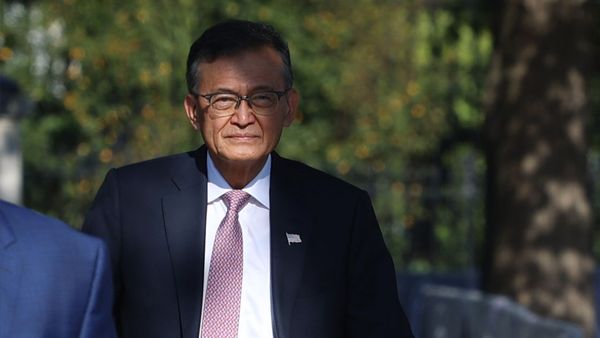
The development also marks a notable shift in tone from President Trump, who just days earlier had criticized Intel leadership for mismanagement and alleged ties to foreign firms. In particular, Trump had called for the resignation of Intel’s CEO, citing concerns about corporate governance and national security. But following what has been described as a “constructive” meeting between the President and company executives, the administration’s stance appears to have softened.
According to insiders, the conversation paved the way for exploring deeper collaboration, with Trump reportedly acknowledging the CEO’s “impressive background” and reaffirming his administration’s willingness to support American companies that align with national interests.
This about-face may reflect the administration’s recognition that, despite its current challenges, Intel remains a vital player in the global chip market — and one the U.S. can ill afford to let stumble.
Ownership and Oversight
What remains unclear is the scale and structure of the government’s potential investment. Would the administration seek a minority, non-voting stake to provide financial support without interfering in day-to-day operations? Or could this evolve into a more active role, including board representation and strategic input?
There are also broader questions about how this move would be received by the public, regulators, and political opponents. Some critics argue that the federal government has no business owning shares in private corporations, warning that it could lead to conflicts of interest or favoritism. Others point out that, in strategic sectors like semiconductors, a more hands-on approach may be necessary to compete with state-backed rivals in China and elsewhere.
In either case, the outcome of these talks could mark a turning point in how the U.S. approaches industrial policy. The lines between public and private may blur further as technology becomes inseparable from national power.
The Road Ahead
No final decision has been made, and both the White House and Intel have declined to comment publicly on the reports. However, if the deal does proceed, it would represent one of the most significant interventions by the U.S. government in the private tech sector in modern history.
For now, all eyes are on Washington and Silicon Valley as the two centers of American power weigh a partnership that could redefine the future of the semiconductor industry — and perhaps the relationship between government and innovation itself.