What was intended as a groundbreaking moment in autonomous transportation has instead become a public relations challenge for Tesla. The company’s highly anticipated robotaxi launch in Austin has failed to impress residents, regulators, and industry watchers alike, as persistent technical issues and a shaky rollout have reignited skepticism about Tesla’s readiness to deliver on its promises of full autonomy.
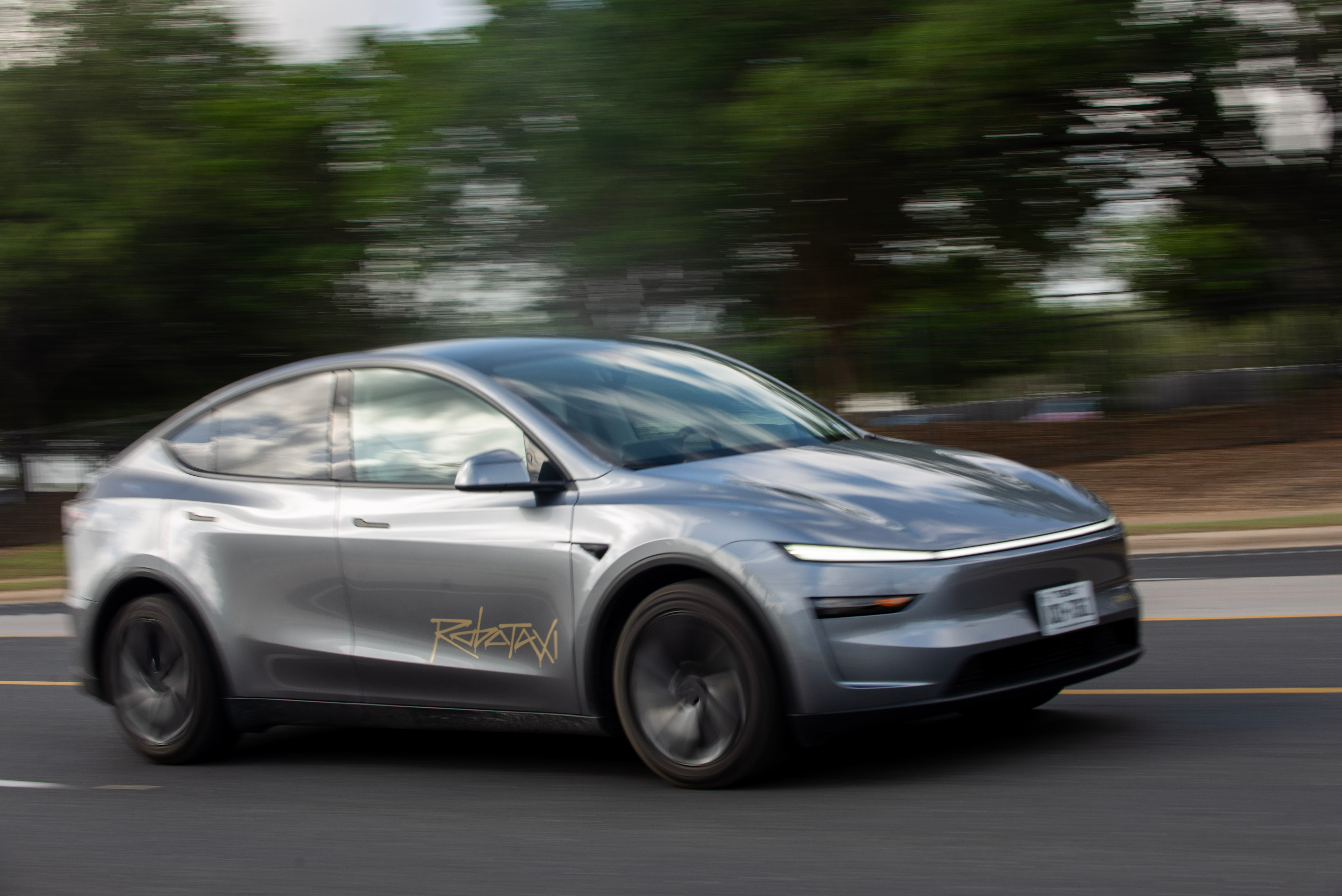
Unveiled with fanfare in June, Tesla’s pilot robotaxi program began limited operations in South Austin, offering self-driving rides in modified Model Y vehicles. The vehicles, equipped with Tesla’s Full Self-Driving (FSD) software, were supposed to operate driverlessly within a defined geofenced area. However, in the weeks following the launch, the pilot has been marked by inconsistency, erratic vehicle behavior, and increasing public concern.
An Underwhelming Demo
Multiple test riders and local observers have reported a range of issues during early rides: vehicles veering out of lanes, stopping abruptly for no visible reason, struggling with basic turns, and making unsafe decisions at intersections. There have also been cases where robotaxis navigated incorrectly marked lanes, parked improperly, or got stuck mid-route, forcing human intervention.
Such incidents, widely shared on social media, have damaged public perception. Instead of inspiring confidence in Tesla’s autonomous future, the demo has drawn ridicule and frustration, especially among Austin residents who expected a polished and revolutionary experience.
One Austin local who took a ride during the first week described it as “more like a beta test than a launch,” noting that the car “kept second-guessing itself, braking hard at green lights and pausing in the middle of roundabouts.” Others have echoed similar concerns, complaining about the limited area of service and the inconsistent behavior of the vehicles.
Public Safety Concerns Mount
Before the official launch, a group of activists and local advocacy organizations had already voiced opposition to the program, citing Tesla’s previous history of Autopilot-related crashes and a lack of transparency in its data reporting. Their concerns have only intensified as real-world footage of Tesla robotaxis making questionable driving decisions has surfaced.
Public safety officials in Austin have acknowledged that they are monitoring the program closely. While no injuries have been reported so far, the potential for a high-profile incident is making regulators uneasy. State lawmakers have already hinted that new safety standards for autonomous vehicles may be introduced later this year to ensure better oversight and accountability.
Tesla, for its part, has maintained that the issues are being addressed through over-the-air software updates and that the system will improve rapidly with continued data collection and refinement. However, critics argue that Tesla’s approach — relying solely on camera-based vision without lidar or radar — may not be robust enough to handle the unpredictability of dense urban driving.
Investor Pressure Ahead of Key Earnings
The timing of the underwhelming rollout is less than ideal. Tesla is preparing for its second-quarter earnings call this week, during which investors are expected to probe deeply into the robotaxi program’s status and viability. While Tesla has long touted autonomy as its future growth engine, the Austin launch has left analysts questioning whether the company is falling behind more established players in the space.
In contrast to Tesla’s limited test fleet in Austin, competitors such as Waymo and Cruise have already launched fully driverless services in multiple cities, including Phoenix, San Francisco, and Los Angeles. Their vehicles, using a combination of sensors, lidar, radar, and HD maps, have shown a more consistent track record of safety and performance.
Investors will be watching closely to see whether Tesla can present a credible path forward — including performance metrics, expansion plans, and potential revenue models. If the company fails to address growing doubts about its technology, it risks undermining its long-term positioning as a leader in the AI-driven mobility space.
Design and Communication Missteps
Beyond technical issues, Tesla’s communication around the launch has also drawn criticism. The map of the service zone released shortly after the launch was widely mocked online for its odd shape, which excluded key neighborhoods and appeared, to many, as carelessly designed. Critics saw the map — and the limited, error-prone rollout — as emblematic of a project launched prematurely for the sake of headlines.
Furthermore, Tesla has not released any disengagement data or operational metrics, leaving the public and regulators in the dark about the actual performance of the system. Unlike some competitors who voluntarily report safety data, Tesla continues to operate with minimal transparency in this area.
A Critical Crossroads
As the dust settles in Austin, it’s becoming clear that Tesla’s robotaxi ambitions are at a crossroads. The Austin demo was supposed to be the first chapter of a transformative leap into the future of driverless mobility. Instead, it has revealed the growing pains and real-world limitations of Tesla’s approach to autonomy.
For now, Tesla faces mounting pressure to stabilize its technology, regain public trust, and prove that its robotaxi platform is more than just a bold vision. If it can’t demonstrate meaningful progress — and quickly — it risks being overtaken in a race it once seemed destined to lead.
Whether Austin was simply a misstep on the road to full autonomy or a warning sign of deeper flaws remains to be seen. But one thing is clear: skepticism around Tesla’s self-driving future has never been stronger.