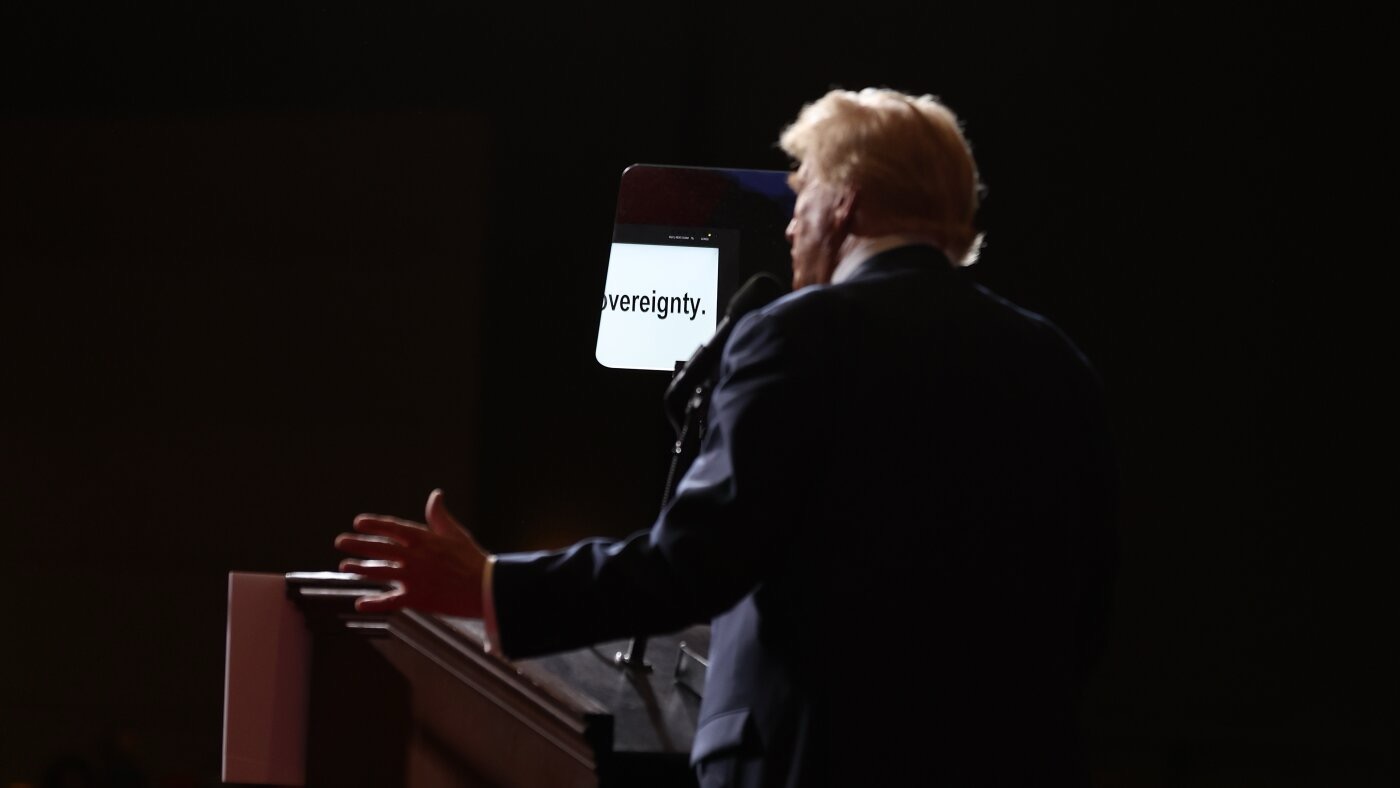
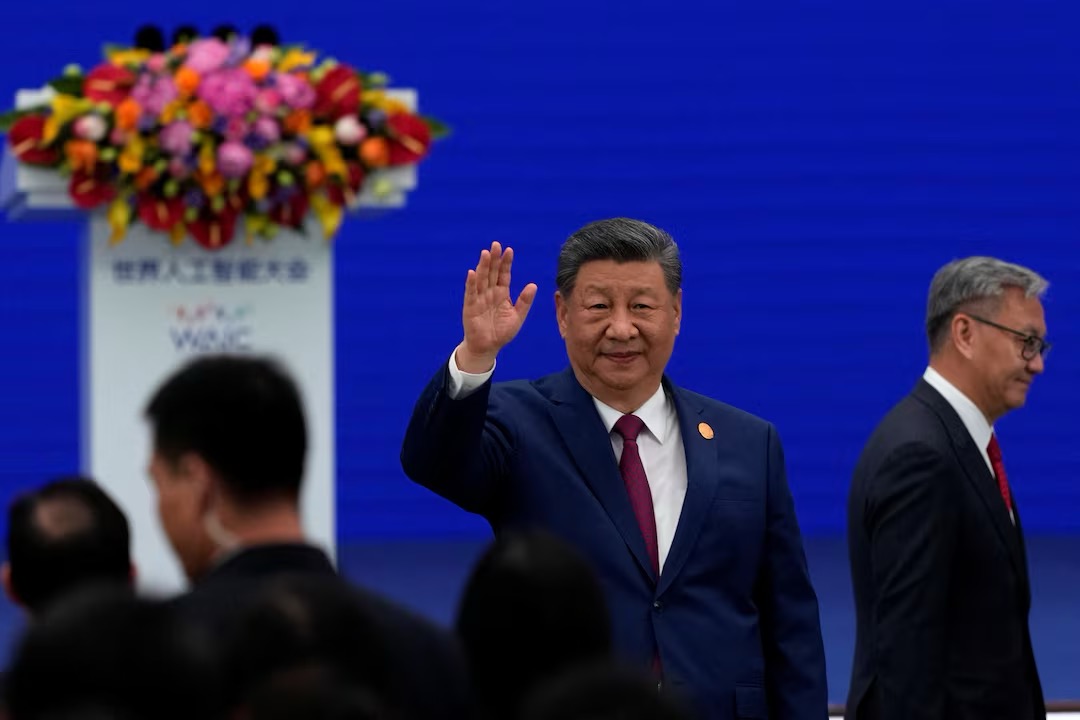
President Donald Trump has announced that the United States will no longer approve new solar or wind energy projects under his administration, marking a dramatic policy shift that could reshape the nation’s energy future. The statement, made during a campaign-style rally and later reinforced via social media, stunned environmentalists, renewable energy advocates, and even some industry insiders who had anticipated continued growth in clean energy infrastructure.
“The days of stupidity are over in the USA,” Trump declared. “We will no longer be approving wind or farmer-destroying solar. America needs energy that actually works.”
The announcement follows months of policy changes aimed at slowing or reversing the expansion of renewable energy, including the rollback of tax credits for clean energy, restrictions on federal land use for wind and solar farms, and increased permitting hurdles. These cumulative moves point to a broader strategic pivot in the Trump administration’s energy agenda—one that openly favors fossil fuels and nuclear power over renewables.
A Sharp Reversal from Recent Trends
Over the past decade, the U.S. energy landscape has been rapidly transforming. Solar and wind energy saw unprecedented growth during the 2020s, fueled by falling costs, federal incentives, and strong investor interest. Clean energy was increasingly seen as the cornerstone of America’s economic and environmental strategy.
That momentum now faces a hard stop.
Trump’s declaration means that new federal approvals for utility-scale wind and solar projects will be frozen, and existing proposals may be shelved or delayed indefinitely. The Department of the Interior, now under the leadership of Secretary Doug Burgum, has already implemented new rules requiring centralized reviews and tightened permitting protocols for any renewable energy project on federal land.
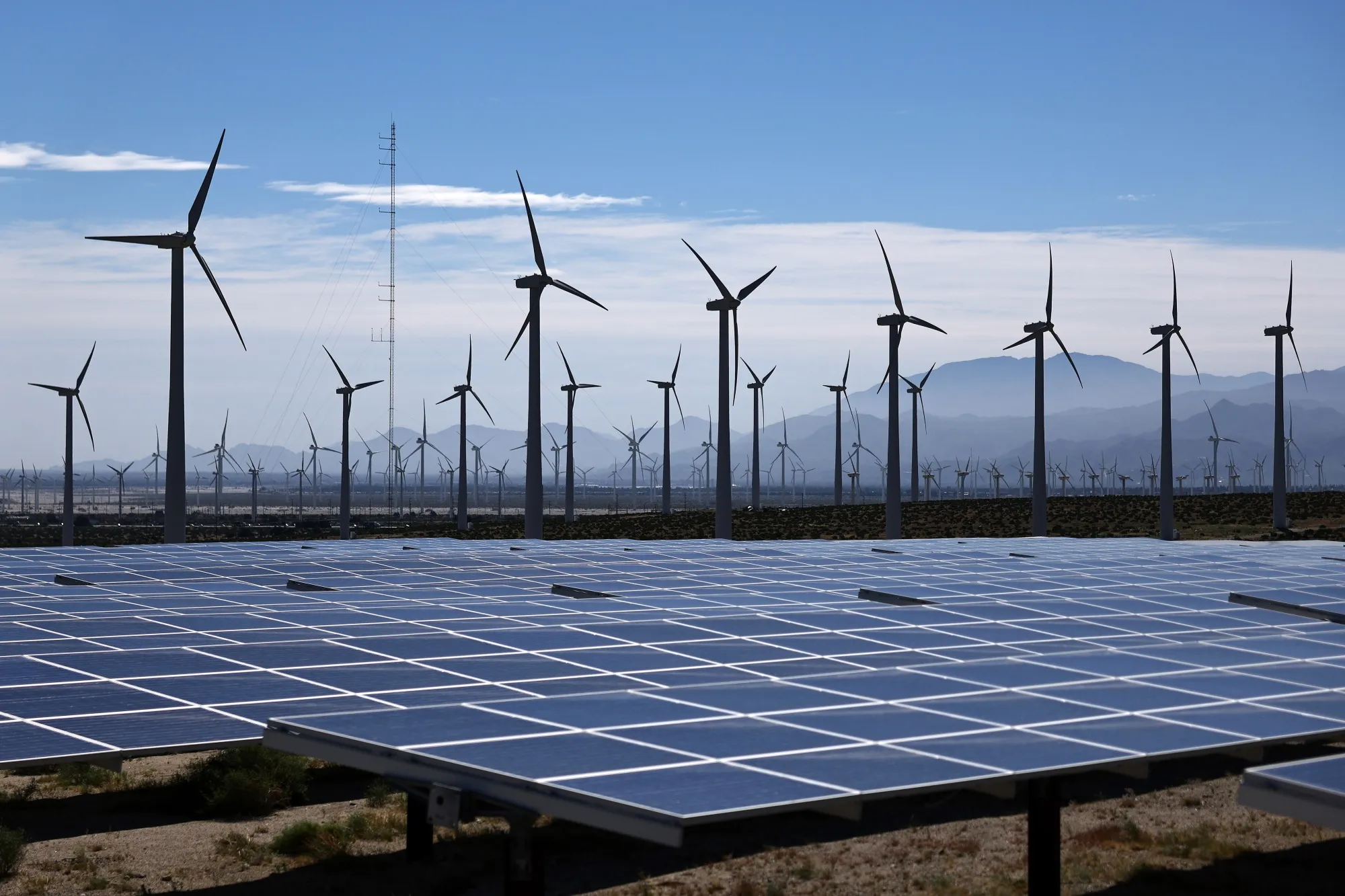
While the administration argues these measures are intended to reduce government waste and protect rural communities from “landscape degradation,” critics argue they are nothing short of an industry blockade.
Economic Shockwaves
Markets responded swiftly. Shares of major renewable energy companies tumbled following the announcement, with several leading solar developers experiencing multi-day stock declines. Industry analysts warn that Trump’s stance could have long-term effects on investment in the renewable sector.
Many companies that had counted on federal support—either in the form of subsidies or regulatory consistency—are now re-evaluating project timelines and capital allocation. With subsidies being phased out through legislation like the recently passed “One Big Beautiful Bill Act,” some developers may abandon projects altogether, especially those not yet under construction.
The potential economic fallout extends beyond just corporate boardrooms. Thousands of jobs in construction, engineering, and clean technology could be at risk, particularly in rural areas where wind and solar installations had begun to generate new employment opportunities and economic revitalization.
Farming Communities Caught in the Crossfire
One unexpected group caught in the policy shift are American farmers. Over the past decade, many agricultural landowners had entered into long-term lease agreements with solar and wind companies, using the added income to keep their farms operational. In some regions, solar panels lined the edges of cornfields, and wind turbines dotted ranchland, helping landowners diversify their income.
With the federal government no longer backing these initiatives, many farmers may lose out on current or future lease revenue. In addition, the Department of Agriculture has begun pulling back loan programs and clean energy grants that once helped small and medium-sized farms install solar systems to reduce operational costs.
This has sparked criticism from rural groups who traditionally supported Trump but now feel blindsided by a policy they say is economically damaging.
Grid Challenges and Growing Demand
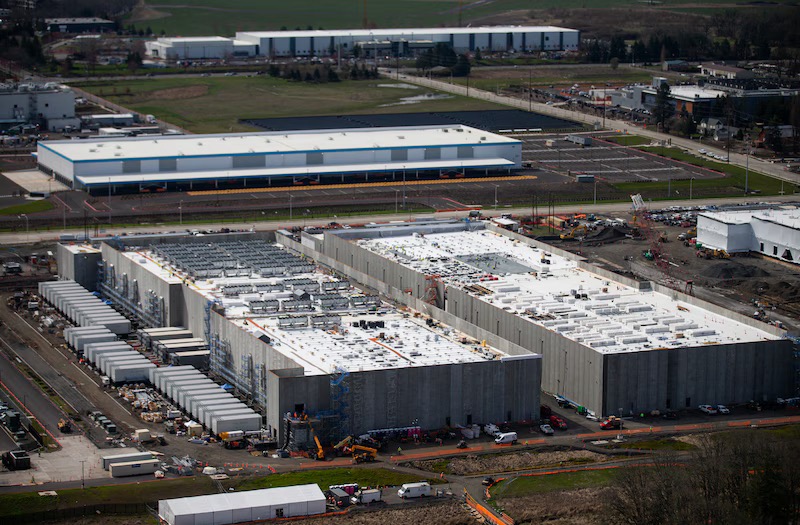
Opponents of the ban also argue that it is not just environmentally regressive but strategically short-sighted. As energy demand surges—driven by population growth, electric vehicles, and a boom in AI-powered data centers—utilities are warning of strain on the electrical grid.
Until now, clean energy sources like wind and solar had been seen as essential tools in expanding grid capacity and diversifying energy supply. By halting their development, critics say the administration is narrowing the country’s energy options and increasing dependence on fossil fuels at a time when global energy markets remain volatile.
Some utility companies and energy grid operators have publicly expressed concern that the move could complicate future planning, delay much-needed capacity upgrades, and raise consumer prices.
Political and Public Response
Predictably, the response has been deeply polarized.
Supporters of the move argue that wind and solar energy are unreliable and land-intensive. They praise Trump for standing up to what they call the “green energy lobby” and see the decision as part of a larger effort to restore American energy dominance through coal, gas, and nuclear.
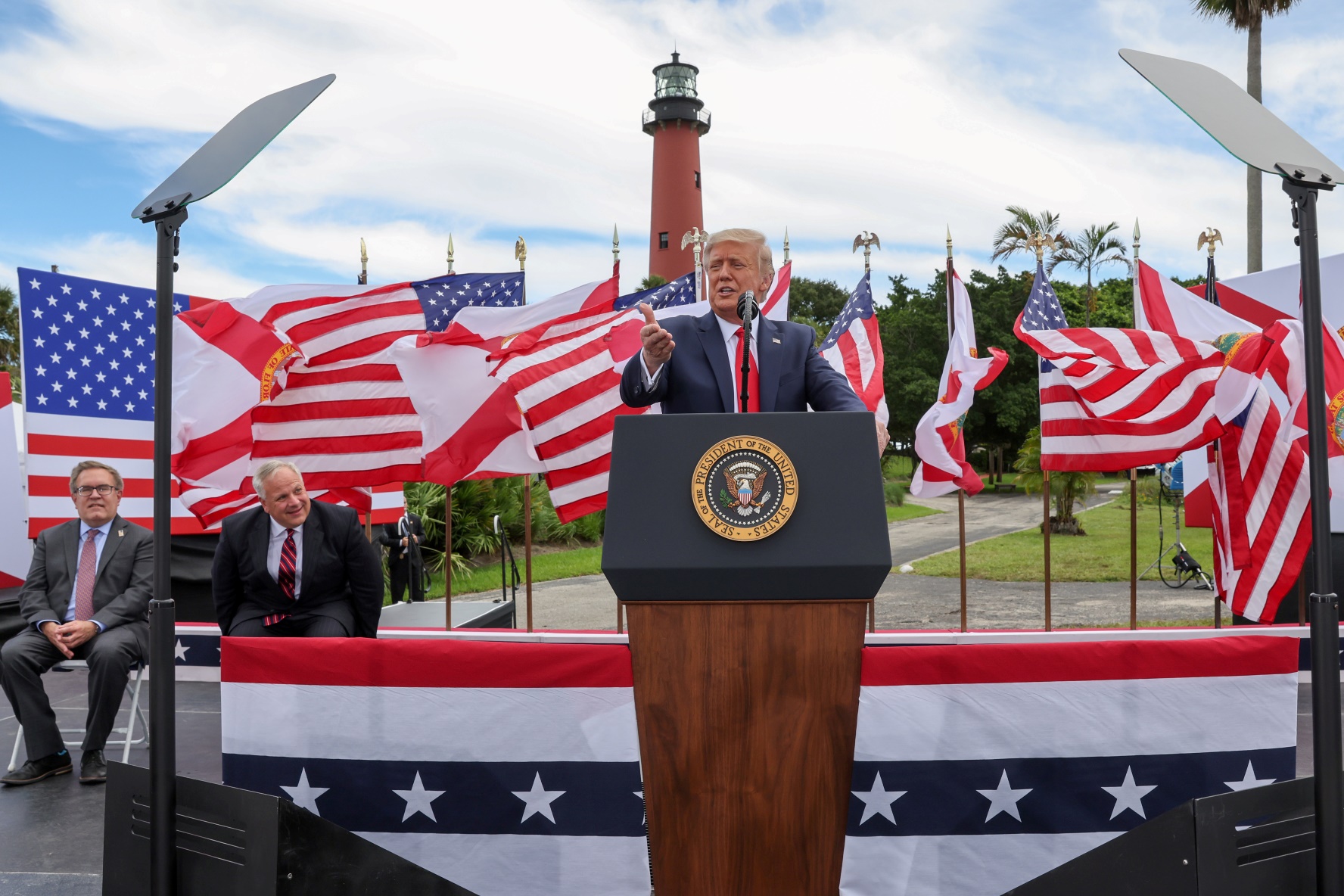
But environmental groups, climate scientists, and Democratic leaders have condemned the decision, calling it a step backward in the fight against climate change. Some state leaders have vowed to push forward with renewable energy plans at the state level, even without federal support.
California, New York, and other progressive states have already signaled they will double down on their clean energy targets, potentially setting up legal and political battles over jurisdiction and infrastructure development.
What’s Next?
While Trump’s declaration does not legally bind private investment or state-level initiatives, the federal government plays a crucial role in large-scale energy deployment through land access, tax policy, and infrastructure planning. Without that support, the pace of renewable energy expansion could slow dramatically, shifting momentum back to traditional energy sectors.
For now, the future of America’s energy grid is in flux. With a presidential election just over a year away, the long-term fate of solar and wind power in the U.S. may hinge on the political winds as much as the technological ones.