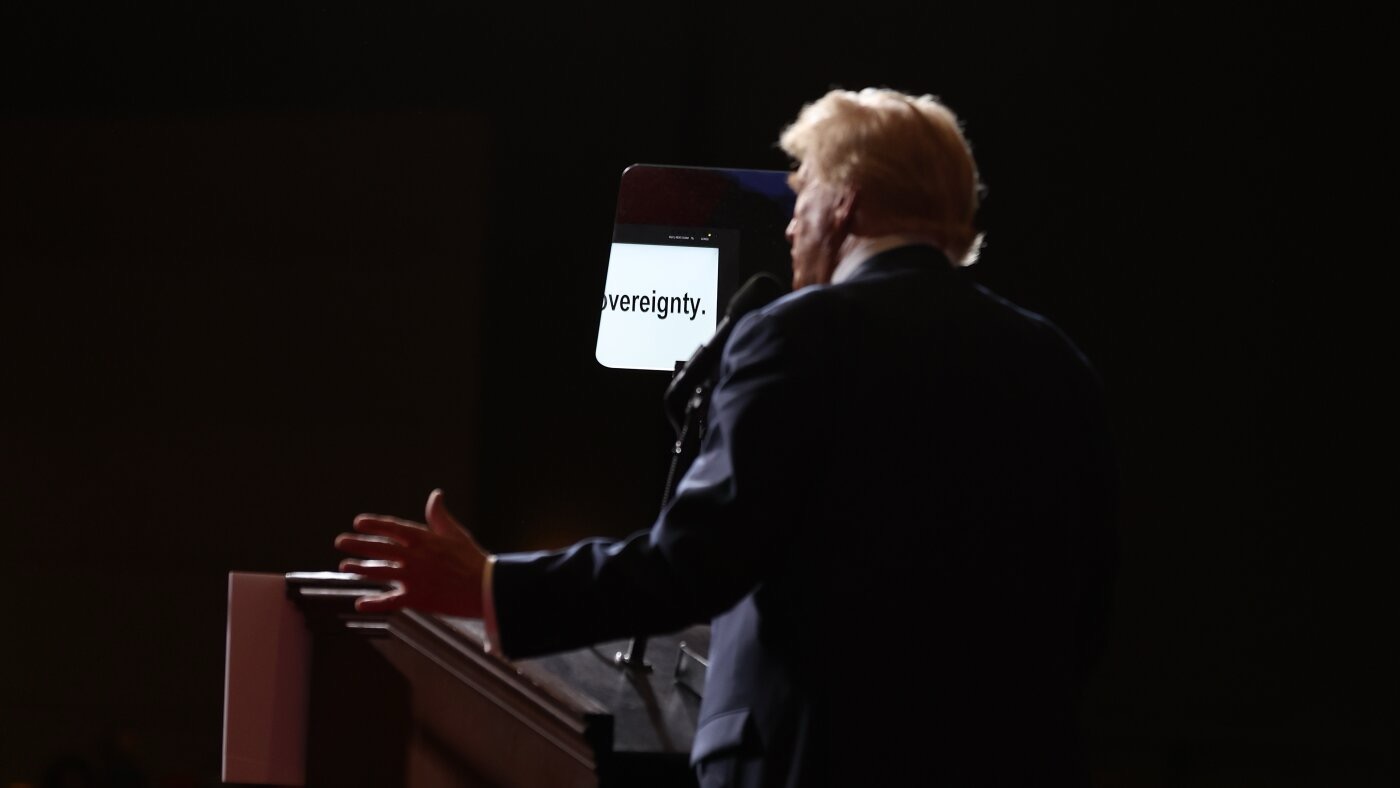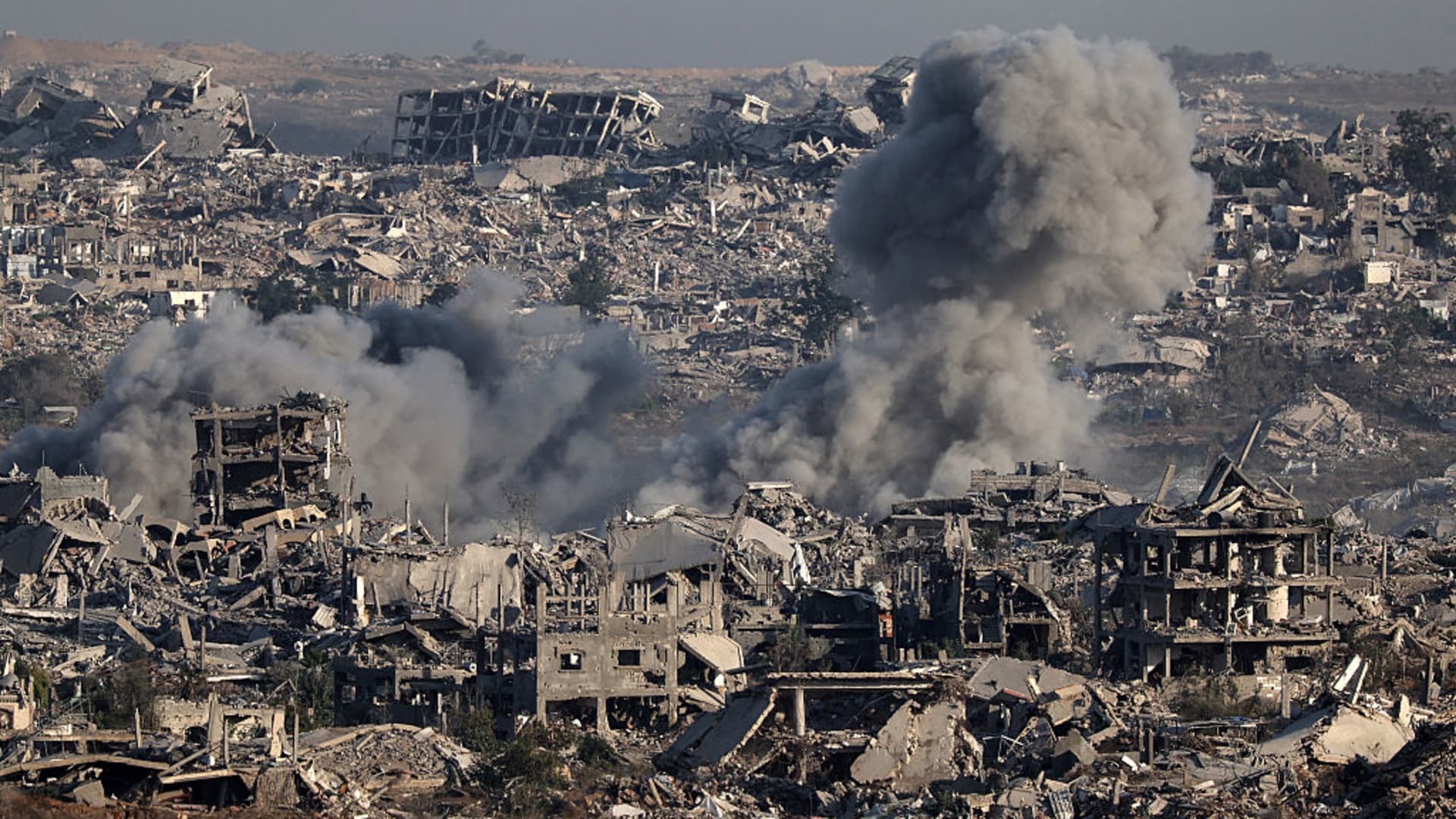
A recently leaked document from former U.S. President Donald Trump’s policy circle has ignited a political firestorm after revealing a controversial post-war vision for the Gaza Strip. The plan, dubbed the “Gaza Reconstitution, Economic Acceleration, and Transformation Trust” — or GREAT Trust — lays out a blueprint to transform the war-torn enclave into a high-tech economic hub. But at its core, critics argue, the plan relies on a drastic reduction of Gaza’s population through incentivized or coerced relocation.
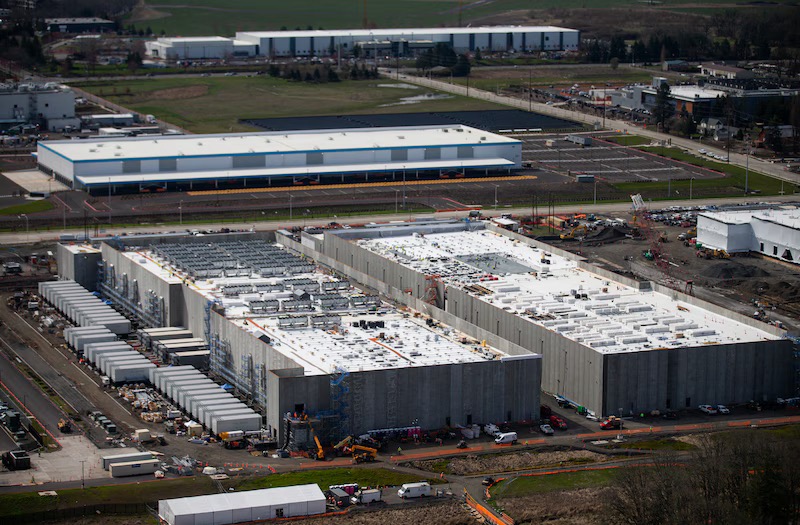
The 38-page proposal outlines the establishment of a U.S.-led trusteeship over Gaza for a period of at least ten years. During that time, the territory would be repurposed into a free-market zone featuring AI-powered smart cities, luxury resorts, electric vehicle factories, and even an “Elon Musk Industrial Park.” Its stated goal is to replace Gaza’s current crisis with a Silicon Valley-style economy on the Mediterranean. But to many, the underlying logic is chilling: remove most of the people, then rebuild from scratch.
At the heart of the plan is a highly controversial mechanism for reducing Gaza’s population. The document suggests that Palestinians would be offered cash payouts — up to $5,000 per person — along with relocation support, food assistance, and housing stipends if they choose to leave Gaza. While framed as a voluntary program, observers have pointed out that these incentives appear amid the backdrop of widespread displacement, destroyed infrastructure, and restricted access to food, water, and healthcare. Human rights experts have warned that such conditions could make any “choice” to leave effectively coercive.
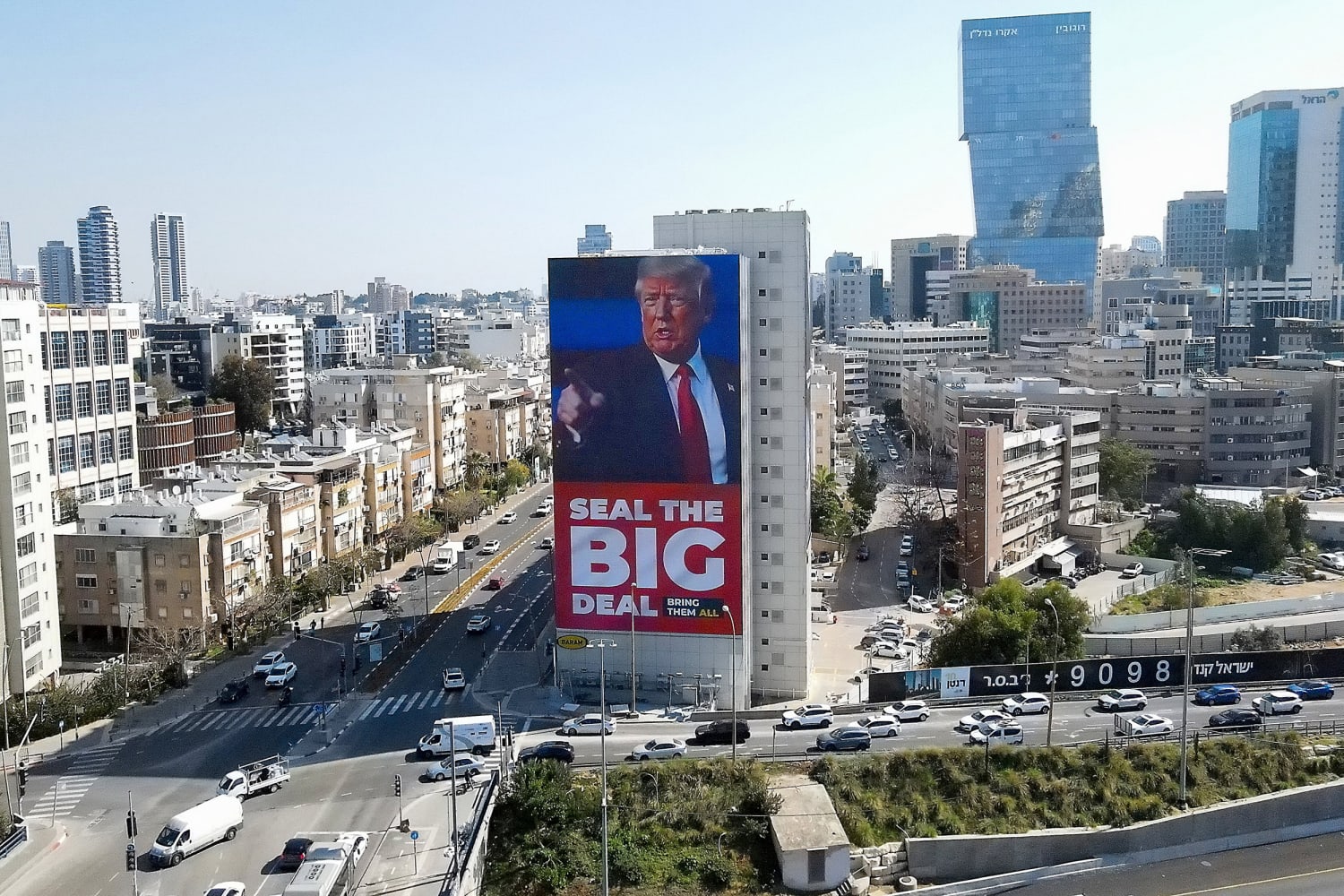
For those who refuse to leave, the plan proposes a tightly monitored and highly structured living arrangement. Remaining residents would be relocated into so-called “safe zones,” described in the draft as modern but heavily surveilled areas, complete with micro-apartments, ID-linked digital tokens, and movement controls. The reconstruction effort, according to the plan, would be directed by a consortium of private corporations and U.S.-appointed administrators, operating with little local input.
While the proposal paints a gleaming picture of economic transformation, critics argue that it masks a deeper agenda of ethnic cleansing and territorial reengineering. Legal scholars have already raised concerns that mass population transfers — even under the guise of financial assistance — could violate international law. The Geneva Conventions prohibit forcible transfers of civilian populations in occupied territories, and any perception of duress could turn the program into a prosecutable offense under international humanitarian statutes.
Further complicating the matter is the ambiguous status of Gaza’s governance in the proposal. The trusteeship model would place effective control of Gaza into the hands of a non-Palestinian authority, sidelining both Palestinian political leadership and regional stakeholders. The plan envisions an American-led board of technocrats, military advisors, and investment executives who would oversee land development, infrastructure, and commerce. This structure has been described by critics as neo-colonial and dangerously dismissive of Palestinian self-determination.
Reaction to the leaked plan has been swift and severe across much of the Middle East and the international community. Arab nations, particularly those bordering Gaza, have expressed alarm at any suggestion of mass displacement spilling over into their territories. Egyptian and Jordanian officials have reportedly warned that such a move would destabilize the region and create a permanent refugee crisis. International NGOs have condemned the plan as a violation of basic human rights, calling it a dystopian reimagining of Gaza’s future.
Within the United States, reactions have been mixed. Some on the political right have praised the plan as bold and “solutions-oriented,” arguing that Gaza’s current trajectory offers little hope for peace or prosperity. They claim that a rebuilt Gaza, free from conflict and built on capitalist innovation, could serve as a model for transforming other failed regions around the world. On the other hand, progressives, foreign policy analysts, and Middle East scholars have sharply criticized the plan, accusing its authors of exploiting tragedy for geopolitical gain.
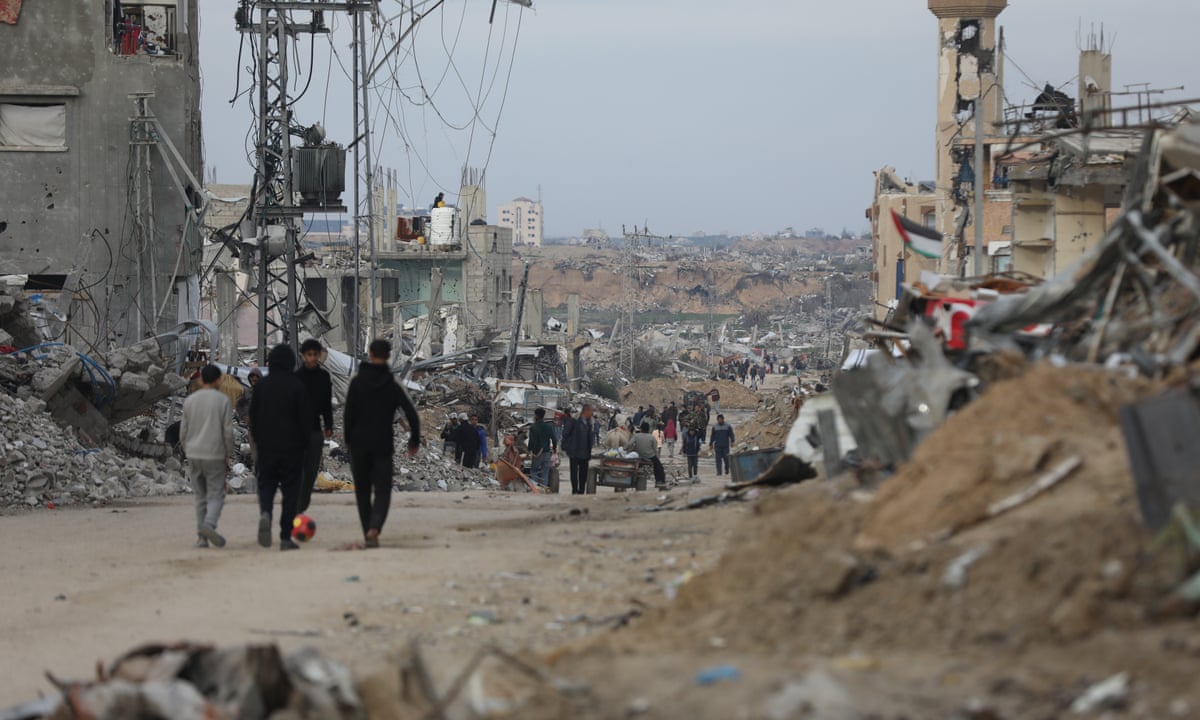
Compounding the controversy is the uncertain origin of the proposal. While it carries hallmarks of Trump-era foreign policy — transactional, privately-driven, and dismissive of international norms — no current administration officials have taken responsibility for its development. Some reports suggest that private consultants, including former government advisers and corporate strategists, played a key role in drafting the plan. At least two individuals linked to its financial framework have reportedly been dismissed from major consulting firms since the leak became public.
The implications of the plan are enormous. If even partially implemented, it would reshape not only Gaza but also regional dynamics, international law, and global precedent for post-conflict reconstruction. It also raises the specter of using war and displacement as vehicles for economic real estate development — a notion that has alarmed human rights watchdogs and legal experts worldwide.
For now, the plan remains a proposal — highly controversial, legally questionable, and politically volatile. But its emergence into public view has sparked renewed debate over who gets to define the future of war-ravaged territories and at what cost. As global attention remains fixed on the humanitarian crisis in Gaza, the leaked document serves as a stark reminder that, for some, destruction is not the end — but the beginning of opportunity.