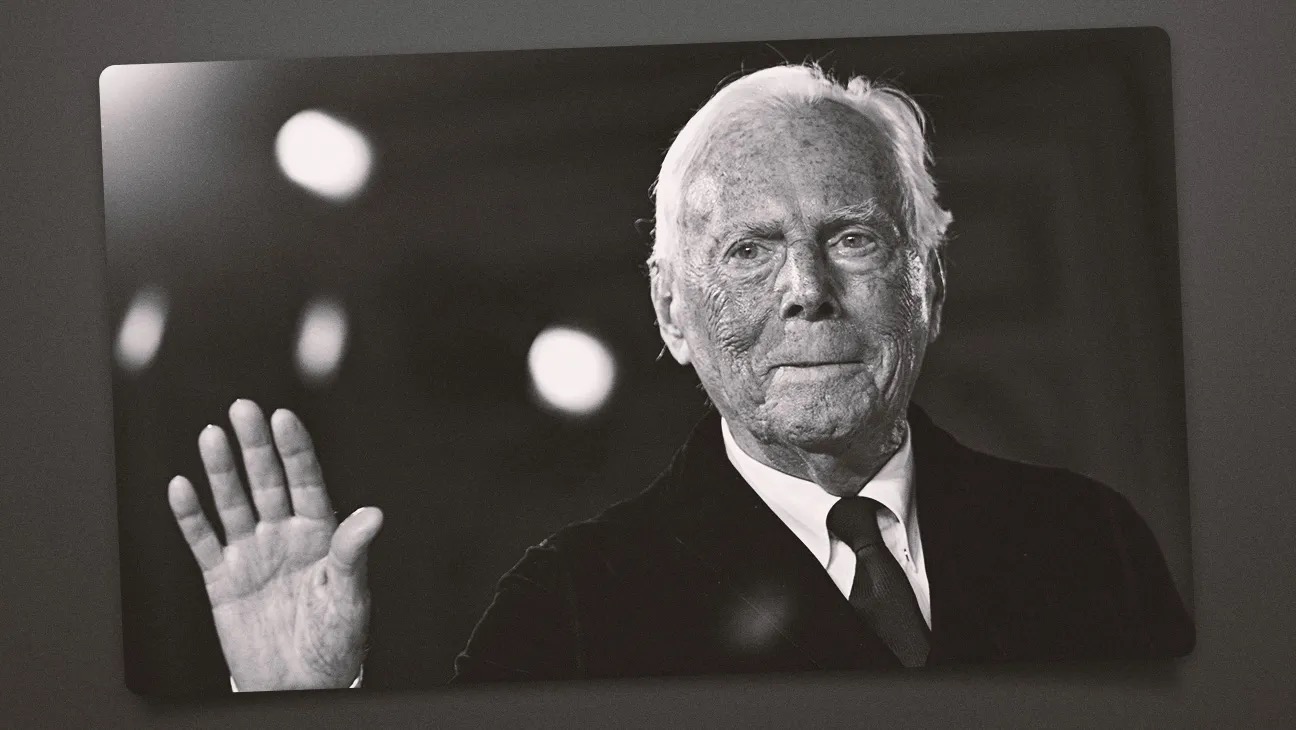
The world of fashion is in mourning today as Giorgio Armani, the legendary Italian designer and founder of the global Armani empire, has died at the age of 91. Known for his timeless elegance, clean lines, and revolutionary approach to tailoring, Armani’s passing marks the end of an era in both fashion and Italian cultural history.
The Armani Group announced his death in a statement early Thursday, confirming that the designer passed away peacefully at his home in Milan, surrounded by close family and trusted colleagues. His health had reportedly declined in recent months, leading to his absence from several key fashion events earlier this year.
The Rise of a Fashion Icon
Giorgio Armani was born in the northern Italian town of Piacenza in 1934. He initially studied medicine before shifting gears to pursue a career in fashion, a decision that would reshape not only his life but the fashion industry at large. After working as a window dresser and later as a designer for other labels, Armani founded his own brand in 1975 with business partner Sergio Galeotti.

From the very beginning, Armani stood out. His vision was rooted in simplicity, sophistication, and a refusal to follow fleeting trends. In a world still dominated by rigid suits and flashy fashion statements, he introduced a new kind of elegance — soft-shouldered blazers, neutral color palettes, and refined cuts that emphasized comfort without sacrificing style.
He redefined power dressing in the 1980s, particularly for women entering corporate spaces, and brought his minimalist ethos to Hollywood, where stars like Richard Gere, Julia Roberts, Cate Blanchett, and many more became loyal fans of the Armani silhouette. His designs became staples on red carpets and in boardrooms alike.
A Global Empire Built on Style and Vision
Armani didn’t just build a fashion brand; he built an empire. From couture to ready-to-wear, from high-end labels like Giorgio Armani to more accessible lines like Emporio Armani and Armani Exchange, his fashion house grew into one of the most recognizable names in the world.
Beyond clothing, Armani expanded into fragrance, accessories, interior design, and even luxury hotels and restaurants. His empire remained privately owned — a rarity in the fashion world — allowing him to retain full creative and strategic control throughout his life.
By the time of his death, the Armani brand was synonymous with Italian excellence and understated luxury. Despite growing older, Armani remained active in the business, overseeing collections and approving every detail, a testament to his relentless work ethic and passion for design.
The Man Behind the Brand
Though often described as reserved and meticulous, Armani’s impact went beyond aesthetics. He was admired for his business acumen, his loyalty to his team, and his commitment to Italian craftsmanship. He kept much of his personal life private, having no children and dedicating his life almost entirely to his work.
In one of his final interviews, Armani expressed a rare note of vulnerability, sharing that his only true regret in life was not allowing himself more time for personal happiness. “I gave everything to my work,” he admitted. “And while I built something extraordinary, sometimes I wonder what I missed along the way.”
Despite this, those close to him describe Armani as generous, exacting, and deeply principled. He maintained close ties with longtime collaborators and carefully mentored the next generation of leadership within his company.
A Lasting Legacy
Giorgio Armani leaves behind a legacy that is both profound and permanent. He changed the way people dress — not just in Italy, but around the world. He introduced a language of clothing that spoke of confidence, clarity, and quiet luxury. His minimalist approach stood in sharp contrast to the excesses of the fashion world, yet it endured decade after decade.
His influence extended beyond fashion. Armani’s contributions to cinema, through costume design in iconic films, helped define entire eras of Hollywood style. His philanthropic work, including support for medical research, disaster relief, and cultural preservation, also reflected a deep sense of responsibility to his country and the world.
Armani was a man who believed that elegance wasn’t about being noticed — it was about being remembered. And remembered he will be.
Mourning in Milan and Around the World
Tributes have poured in from across the globe — from designers, celebrities, politicians, and admirers. In Milan, the heart of his fashion empire, flags were lowered, and city officials announced that a public viewing will be held this weekend at the Palazzo dell’Arte. A private funeral will follow, in accordance with Armani’s wishes.
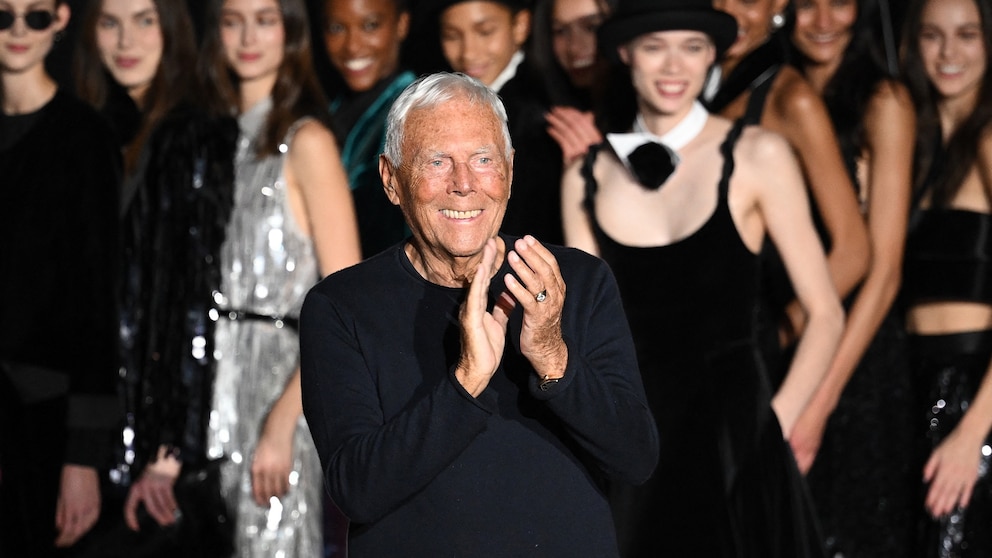
Italian leaders called him “a national treasure,” while industry peers described him as “the last true couturier” and “a man who dressed the world with quiet confidence.” On social media, the fashion world shared black-and-white images of Armani through the years — always in his signature navy T-shirt, always composed, always unmistakably himself.
The Future of Armani
In recent years, Armani had taken steps to ensure the longevity of his brand after his passing. With no children of his own, he entrusted key leadership roles to trusted family members and longtime colleagues, including his nieces and nephew, and business directors he had worked with for decades.
Though the man behind the name is gone, the Armani legacy is expected to endure — not only in the designs that bear his name, but in the enduring values he brought to fashion: discipline, dignity, and timelessness.
As the fashion world says goodbye to Giorgio Armani, it does so with reverence and gratitude. He wasn’t just a designer; he was a visionary who reshaped how we see style, elegance, and ourselves.
He was, quite simply, irreplaceable.