Nvidia’s $100 Billion OpenAI Deal Showcases Chipmaker’s Growing Investment Portfolio
In a landmark move, Nvidia has announced a $100 billion investment in OpenAI, underscoring its expanding role as a strategic investor in the artificial intelligence sector. This monumental partnership aims to build one of the most powerful AI infrastructures to date, featuring at least 10 gigawatts of computing capacity powered by Nvidia’s advanced GPUs.
The collaboration will see OpenAI deploy Nvidia’s Vera Rubin platform, with the first gigawatt of capacity expected to come online in the second half of 2026. This initiative is poised to significantly enhance OpenAI’s capabilities in developing next-generation AI models, including those underpinning applications like ChatGPT.
Nvidia’s investment is structured as a combination of cash payments for chip purchases and equity stakes in OpenAI, positioning the company as a key partner in OpenAI’s growth trajectory. CEO Jensen Huang expressed confidence in OpenAI’s potential, describing it as “the next big multi-trillion-dollar company,” and emphasized the critical role of robust computing infrastructure in advancing AI technologies.

This deal marks a significant expansion of Nvidia’s investment portfolio, following its recent $5 billion investment in Intel. As Nvidia continues to deepen its involvement in AI infrastructure, it solidifies its position as a central player in the development of next-generation AI technologies.
The partnership also highlights the increasing importance of strategic collaborations in the tech industry, as companies seek to leverage each other’s strengths to accelerate innovation. With the AI landscape rapidly evolving, Nvidia’s investment in OpenAI positions it at the forefront of the industry’s next phase of growth.
Electronic Arts Stock Surges 15% Amid Reports of $50 Billion Privatization Deal
Electronic Arts (EA) shares surged 15% on Friday, closing at $193.35, following reports that the gaming giant is nearing a deal to go private in a transaction valued around $50 billion. This potential privatization marks one of the largest leveraged buyouts in the tech and entertainment sectors.
The reported acquisition consortium includes major private equity firms alongside sovereign wealth funds, signaling strong financial backing. Financing for the deal is expected to exceed $20 billion in debt, indicating significant leverage but also high confidence in EA’s future prospects.
Investor optimism is fueled by the company’s strong lineup of upcoming game releases, most notably the highly anticipated launch of Battlefield 6 scheduled for early October. Early feedback on the title has been positive, adding to enthusiasm around EA’s growth potential. Additionally, delays in competing titles, such as Grand Theft Auto VI, have further bolstered expectations that EA will capture significant market share.

Electronic Arts has also benefited from strategic investments by sovereign wealth funds keen to diversify into the gaming sector as part of broader economic plans. Such investors see gaming not only as a lucrative market but also as a cultural and technological infrastructure vital to future entertainment ecosystems.
At its current valuation near $50 billion, the deal would enable EA to restructure away from public market pressures and focus on long-term innovation and expansion. Going private may also provide the flexibility to pursue bold initiatives without quarterly earnings scrutiny.
If finalized, the deal would represent a significant milestone in the gaming industry, underscoring growing investor appetite for high-quality, scalable game developers. EA’s move could set a precedent for further privatizations and reshape the competitive landscape in interactive entertainment.
Ex-Meta Global Affairs Chief Says Tech Should Stay Out of Politics
Nick Clegg, the former global affairs chief at Meta, has urged technology companies to steer clear of political involvement. Speaking candidly about the role of tech firms in society, Clegg emphasized that these companies should focus on their core mission of innovation and connecting people, rather than wading into the complex and often divisive realm of politics.
Clegg expressed concerns that when tech companies take sides in political debates or attempt to influence policy, they risk eroding the trust users place in their platforms. According to him, the perception of bias can damage the open, neutral environment necessary for free expression and innovation. He believes that neutrality is essential for technology to continue serving as a global platform that supports diverse perspectives without becoming a political actor.

During his tenure at Meta, Clegg navigated the company through various political challenges, balancing government pressures and public expectations. Now stepping back from that role, he advocates for a shift toward less political engagement by tech companies, arguing that excessive involvement may invite regulatory crackdowns and further polarization.
The former Meta executive’s viewpoint comes at a time when many tech giants face increasing scrutiny over their influence on elections, misinformation, and political discourse. While some argue that these firms have a responsibility to intervene and moderate harmful content, Clegg warns that overreach can backfire, ultimately undermining the platforms’ credibility and social value.
Clegg’s call for tech neutrality adds an important voice to the ongoing debate about the boundaries between technology, society, and politics. His perspective suggests that the best path forward for tech companies is to focus on empowering users and enabling innovation while avoiding direct participation in political battles, thus preserving the foundational trust critical to their success.
Trump Calls for Microsoft to Fire Lisa Monaco Over National Security Concerns
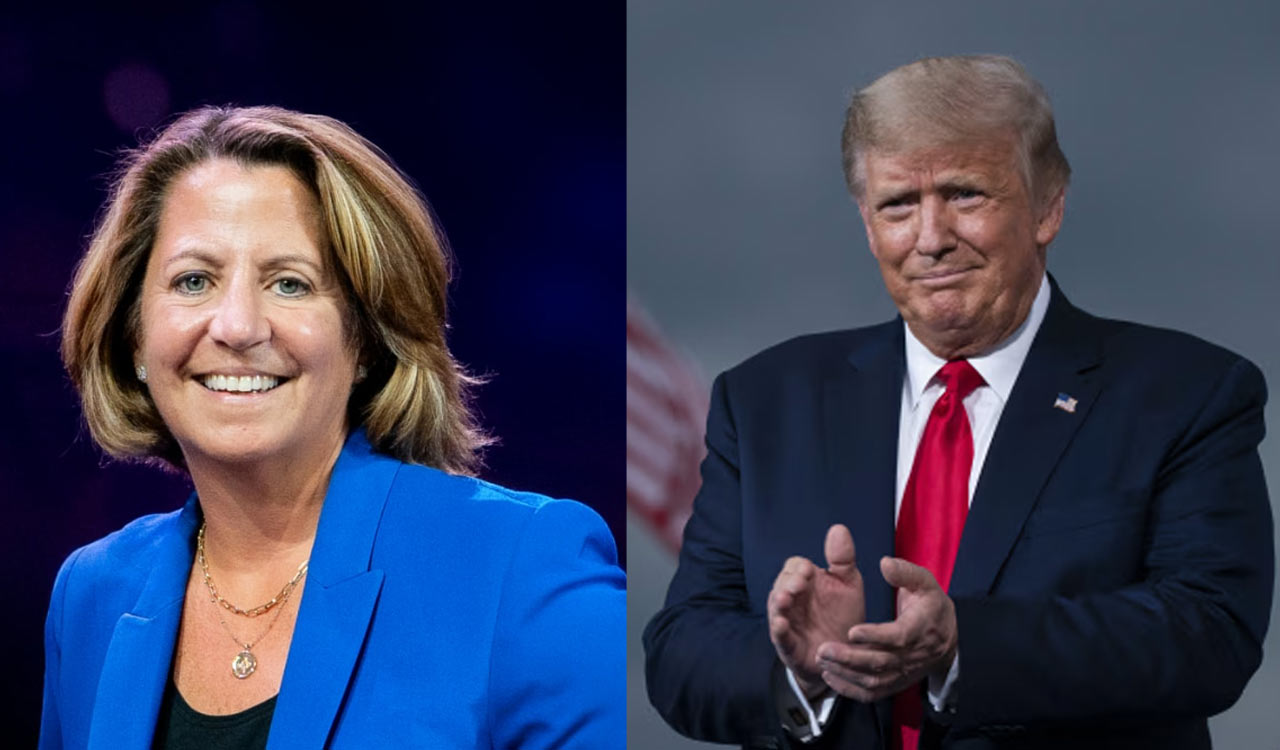
Former President Donald Trump has publicly called on Microsoft to fire Lisa Monaco, the company’s President of Global Affairs. Trump’s demand comes amid ongoing tensions and allegations related to Monaco’s past government service and current role at the tech giant.
Lisa Monaco, who joined Microsoft in May 2025, previously served as Deputy Attorney General under President Joe Biden and held prominent national security positions during the Obama administration. Trump has accused her of being a threat to U.S. national security, claiming she still had access to sensitive information despite reports that her security clearances were revoked earlier in the year.
Trump’s criticisms intensified following Monaco’s involvement in Justice Department investigations during the Biden administration, some of which concerned Trump himself. He alleges that Monaco’s current position at Microsoft — a company with substantial federal contracts — could present conflicts of interest and risks regarding the handling of sensitive data.
This call for her dismissal is part of a broader pattern in which Trump targets officials from previous administrations he views as political adversaries. Earlier in 2025, Trump revoked security clearances not only from Monaco but also from President Biden, Vice President Harris, and other top officials.
Microsoft has yet to respond publicly to Trump’s demand. The company is currently under scrutiny from government agencies, including antitrust investigations related to its business practices and federal contracts.
Monaco’s career spans decades in public service, including her tenure as Homeland Security Advisor during the Obama administration. She holds degrees from prestigious institutions and is known for her expertise in national security law.
The controversy surrounding Monaco highlights the growing friction between tech companies and political figures, particularly over issues of corporate influence, security, and the role of technology in government affairs.
Anthropic to Triple International Workforce in Global AI Expansion
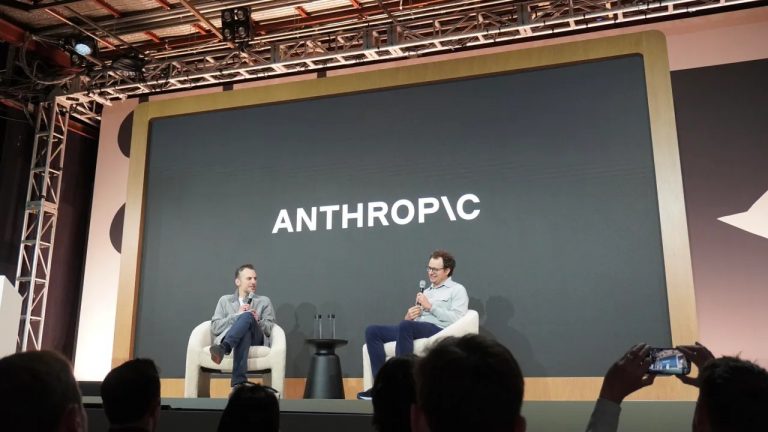
Anthropic, the AI startup known for its advanced Claude language models, has announced plans to triple its international workforce as part of a broad push to expand its global presence. This move comes amid rapidly growing demand for Anthropic’s AI solutions outside the United States, where nearly 80% of Claude’s consumer usage currently takes place.
The company is also set to increase its applied AI team fivefold to keep pace with surging market needs. Countries such as South Korea, Australia, and Singapore have shown especially strong per-capita usage, prompting Anthropic to strengthen its foothold in key international markets.
To support this growth, Anthropic will add more than 100 new employees across European hubs in Dublin, London, and Zurich, and open its first Asian office in Tokyo. The expansion is overseen by Chris Ciauri, Anthropic’s new International Managing Director, who aims to build a diverse, global team that can accelerate innovation and customer support worldwide.
Anthropic’s rise has been fueled by impressive growth in its business user base, which has jumped from fewer than 1,000 to over 300,000 in just two years. Its revenue has also seen a rapid increase, exceeding $5 billion in the first eight months of this year alone.
The startup has formed a strategic partnership with Microsoft to integrate its Claude models into Microsoft’s Copilot assistant. This collaboration allows users to choose between Anthropic’s models and those of other providers, signaling Anthropic’s intent to diversify beyond the dominance of existing AI players.
Overall, Anthropic’s international expansion reflects the booming demand for cutting-edge AI technologies across the globe. With a focus on innovation, strategic partnerships, and workforce growth, Anthropic is positioning itself as a major player in the future of artificial intelligence worldwide.