A deaf Tesla technician is suing the electric car manufacturer after claiming he was wrongfully terminated for raising concerns about unsafe working conditions at the company’s massive Gigafactory in Austin, Texas. The employee, Hans Kohls, alleges that extreme heat inside the factory caused his hearing aids to malfunction—leaving him unable to hear safety alerts and alarms—and that Tesla fired him just days after he requested a reasonable accommodation under federal disability law.
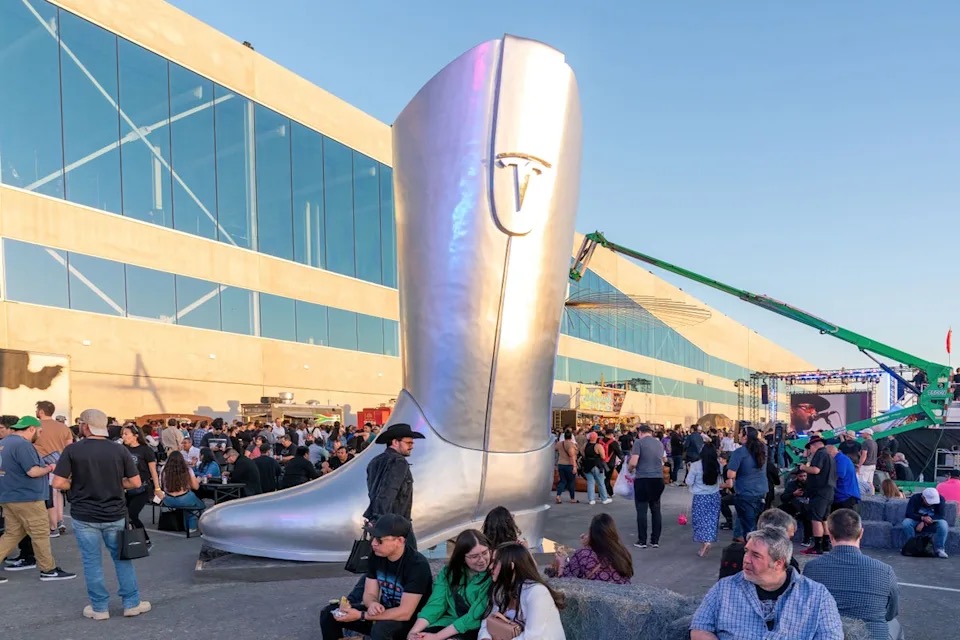
Kohls, who joined Tesla through its highly selective START program, says he was an enthusiastic and capable worker with a strong performance record. After completing a 10-week technical training course with top marks, he began working in several departments across the Gigafactory, the massive facility where Tesla manufactures components for its vehicles and energy products. In most departments, his hearing aids functioned normally, and he was able to communicate effectively with colleagues and supervisors.
The trouble began in mid-2024, when Kohls was reassigned to the factory’s casting department—a part of the facility where aluminum is melted at temperatures exceeding 1,200 degrees Fahrenheit to produce large vehicle components. According to his complaint, the extreme heat and humidity in that area caused condensation and malfunctions in his hearing aids, leaving him unable to hear the warning beeps, alarms, and other audio-based safety signals that workers rely on. Kohls described feeling unsafe and anxious, knowing that his inability to hear could put him and others at risk in an already hazardous environment.
Kohls says he immediately raised the issue with his supervisors and human resources representatives. He explained that the problem was not his inability to perform his duties, but rather the environment, which interfered with the function of his assistive devices. He asked to be reassigned to another department where the conditions would not compromise his hearing aids—a department he had already worked in successfully. He made this request formally under the Americans with Disabilities Act (ADA), which requires employers to engage in an “interactive process” to identify and provide reasonable accommodations for employees with disabilities.

According to Kohls, Tesla’s response was abrupt and dismissive. Instead of exploring possible accommodations or considering his reassignment request, the company allegedly informed him that he was being “medically separated” from employment. Just nine days after submitting his accommodation request, he was terminated. Kohls contends that the decision was not based on his performance or on any legitimate medical limitation, but rather was a pretext to remove an employee who had raised concerns about working conditions and disability rights.
The lawsuit argues that Tesla failed to comply with the ADA’s core requirements. Kohls maintains that there were open positions in other parts of the Gigafactory that he was fully qualified to fill, and that Tesla never seriously considered reassigning him or implementing basic accommodations such as visual or vibrating alerts to replace audible alarms. His complaint accuses Tesla of disability discrimination, failure to accommodate, and retaliation. He is seeking reinstatement, or alternatively compensation for lost wages, lost benefits, emotional distress, and punitive damages.
Beyond the individual case, Kohls’s story raises broader questions about how companies like Tesla manage workplace safety and inclusion, especially in extreme manufacturing environments. Industrial facilities often rely heavily on auditory safety systems—sirens, buzzers, and verbal warnings—but for workers who are deaf or hard of hearing, these systems can be inaccessible without proper modifications. Modern safety design offers numerous solutions: visual alarm lights, wearable vibrating devices, and buddy systems can all ensure that employees with hearing impairments remain aware of potential dangers. Kohls’s claim suggests that Tesla failed to implement or even discuss these options before deciding to terminate him.
The case also sheds light on Tesla’s labor practices, which have been under scrutiny for several years. The company has faced multiple lawsuits alleging workplace discrimination, unsafe conditions, and retaliation against employees who raise concerns. Tesla, which employs tens of thousands of people across the United States, has been criticized for a top-down culture that prioritizes speed and production over communication and compliance. If Kohls’s allegations prove true, his case could add to a growing list of legal and public-relations challenges for the automaker.
From a legal standpoint, the ADA requires employers to do more than simply declare an environment unsafe for someone with a disability; it obliges them to engage in good-faith discussions and consider alternative arrangements before resorting to termination. Courts have repeatedly emphasized that reassignment to a vacant position can be a reasonable accommodation when an employee can no longer safely perform the essential duties of their current role. Kohls’s attorneys argue that Tesla ignored these obligations, choosing instead to sever employment without genuine dialogue or assessment.
For workers with assistive technologies like hearing aids, extreme environments can present unique challenges. High heat and humidity can cause devices to malfunction, batteries to fail, or electronic components to corrode. While these are technical issues, they become workplace safety issues when they impair an employee’s ability to perceive danger. Employers are expected to anticipate such conditions and take preventive steps—such as providing cooling equipment, protective coverings for devices, or alternative warning systems.
Kohls’s case highlights the intersection of technological dependence and workplace accessibility. As factories grow more automated and data-driven, many employees rely on personal technology—smart devices, wearables, or medical electronics—to function effectively. When those devices fail due to environmental factors, the line between equipment maintenance and disability accommodation can blur. The outcome of this lawsuit could set an important precedent for how employers handle such situations in the future.
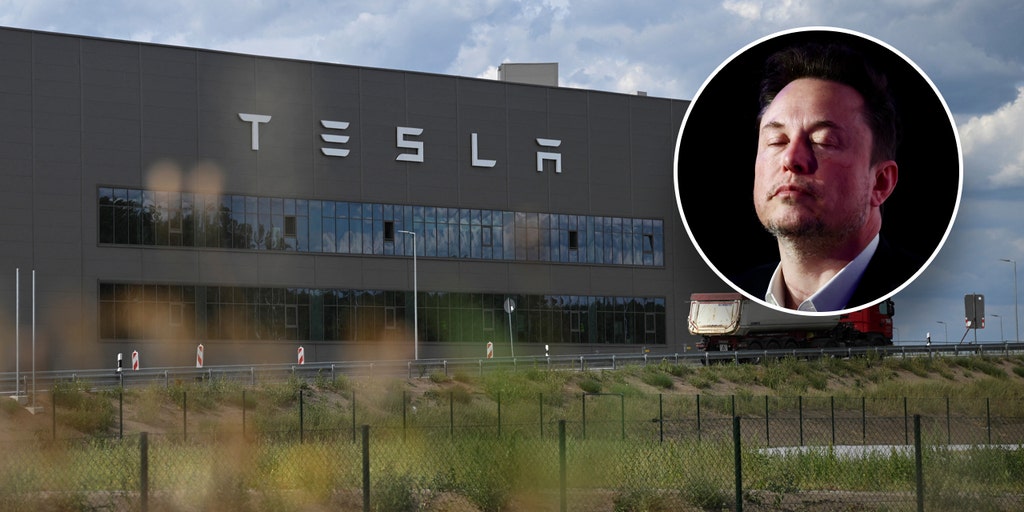
Tesla has not yet issued a detailed public response to the allegations. The company could argue that it acted in the interest of safety or that no reasonable accommodation was available for the casting environment. However, if evidence shows that alternative placements or modifications were feasible, Tesla may face significant liability. For now, the case underscores a recurring tension between innovation and responsibility: even companies leading the charge in advanced manufacturing must ensure that progress does not come at the expense of accessibility and fairness.
For Hans Kohls, the issue is deeply personal. “I didn’t want special treatment,” he said in his filing. “I wanted a fair chance to do my job safely.” His lawsuit, now filed in federal court, seeks not only justice for himself but also greater awareness of how disabled workers are treated in high-tech industries. As the legal process unfolds, the case will likely serve as a test of how seriously one of the world’s most influential companies takes its obligations to the people who build its products.