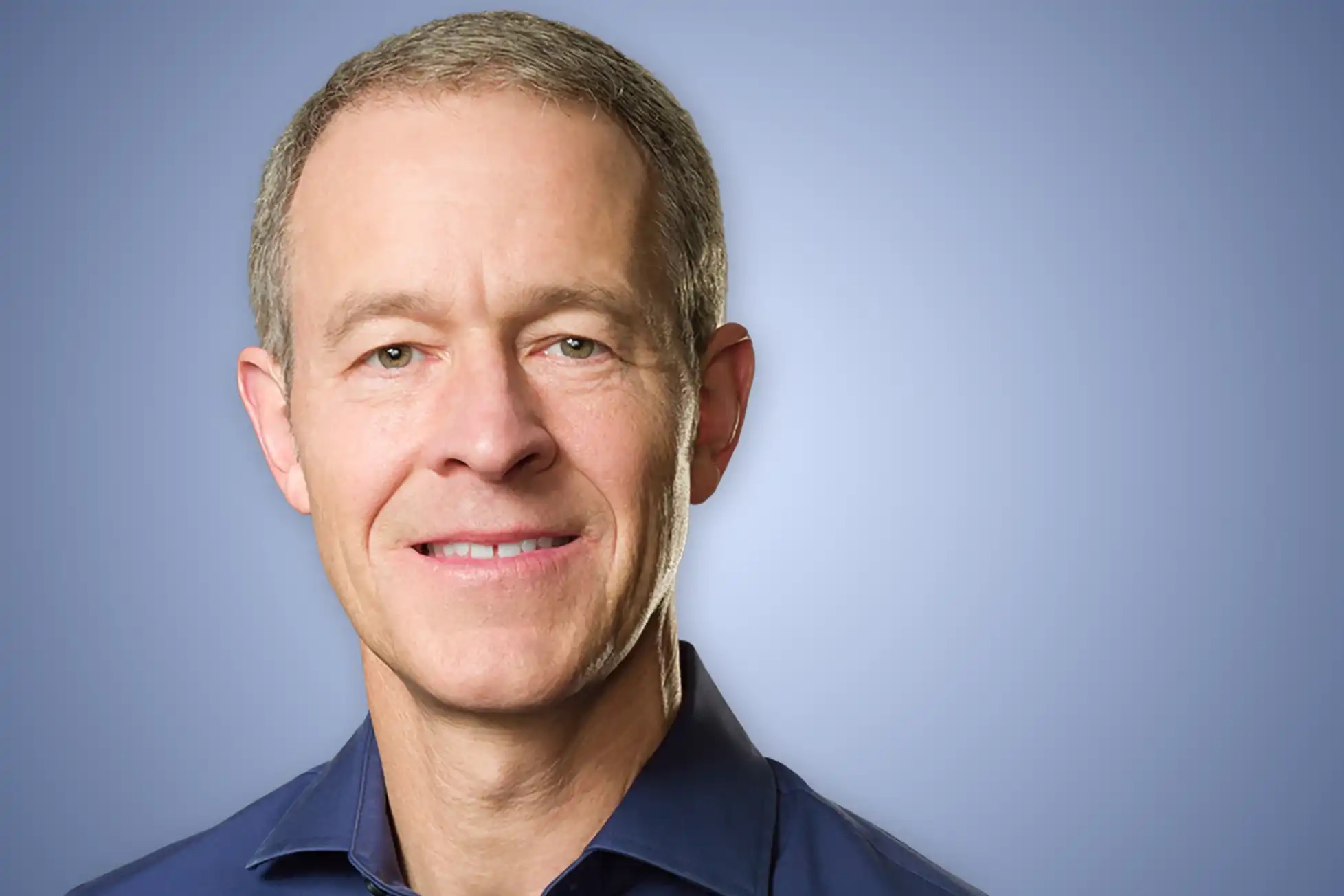
Jeff Williams, one of Apple’s most influential and longest-serving executives, has officially retired from his role as Chief Operating Officer, closing a chapter that spanned more than a decade in the position and nearly three decades at the company. His departure marks one of the most significant leadership transitions Apple has seen in recent years, signaling both the end of an era and the beginning of a carefully structured succession plan.
Williams joined Apple in 1998, during the early stages of the company’s turnaround under Steve Jobs. Over the years, he rose steadily through the ranks, becoming Senior Vice President of Operations before being promoted to COO in 2015. Known for his calm leadership, meticulous approach to operations, and deep understanding of Apple’s culture, Williams became one of CEO Tim Cook’s closest advisors and a central figure in the company’s modern success.
During his decade as COO, Williams oversaw Apple’s massive global supply chain—one of the most complex and efficient in the world. He played a critical role in the expansion of Apple’s manufacturing capabilities, ensuring the company could meet demand during explosive growth periods for the iPhone, iPad, and Apple Watch. His ability to navigate geopolitical challenges, supply shortages, and the unprecedented disruptions of the COVID-19 pandemic earned him widespread respect both inside and outside the company.
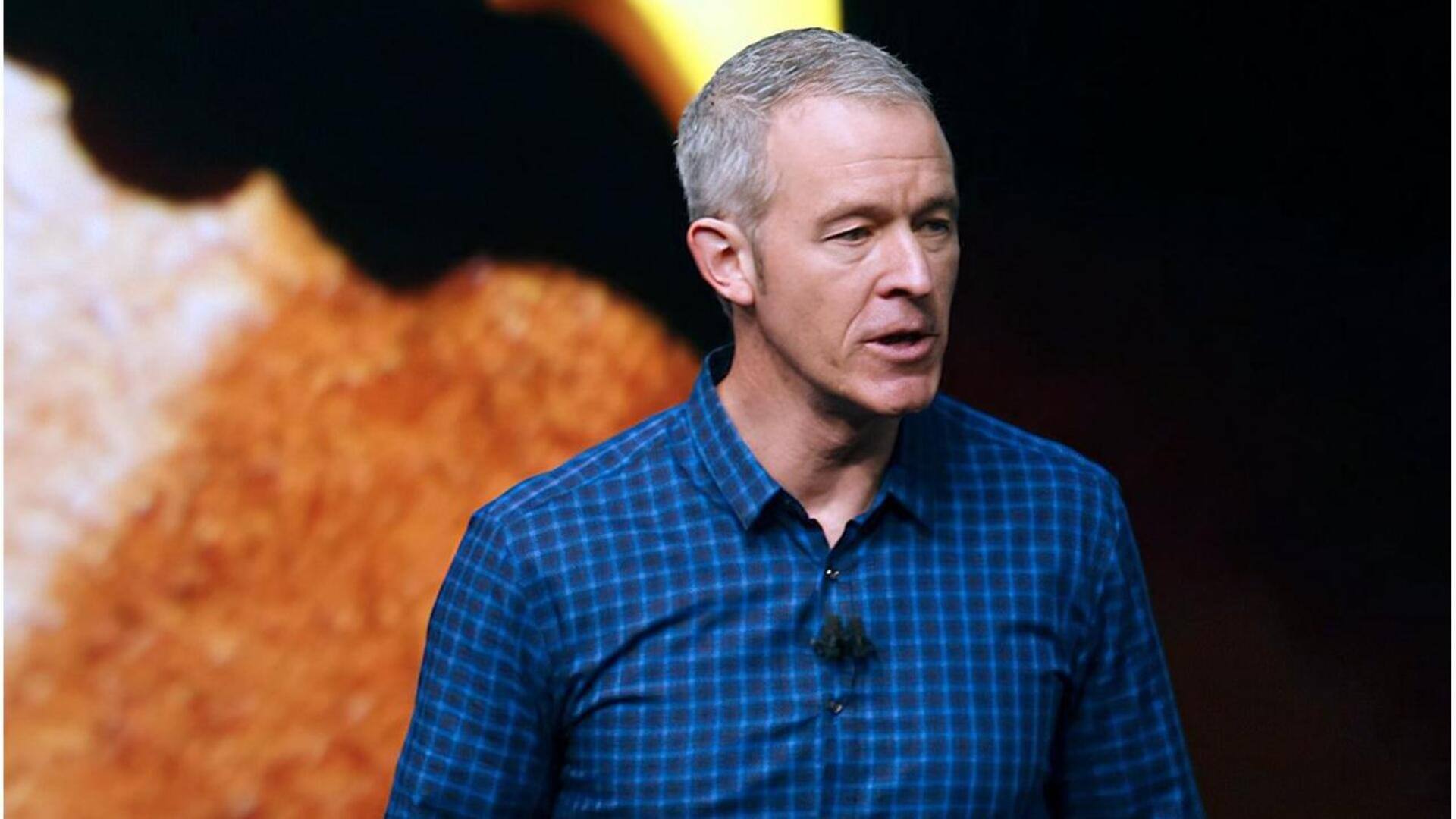
One of Williams’ most notable achievements was his leadership in the development of the Apple Watch. He shepherded the product from its early concept phase to its launch in 2015 and continued to oversee its evolution. Under his guidance, the Apple Watch transformed from a stylish accessory into a key pillar of Apple’s health and wellness strategy, incorporating advanced sensors, fitness analytics, and medical-grade features. Many within the company credited him with shaping Apple’s long-term focus on health technology, a sector that remains central to the company’s future ambitions.
In addition to his operations and product responsibilities, Williams took over management of Apple’s design organization in the years following the departure of Jony Ive. He helped guide the team through a transitional period, ensuring continuity in Apple’s design language and product philosophy. Though not a designer himself, Williams earned a reputation for balancing respect for Apple’s design heritage with practical leadership and clear decision-making.
Apple announced earlier this year that Williams would retire, allowing for a smooth transition of responsibilities. Sabih Khan, who previously served as Senior Vice President of Operations, has stepped into the role of Chief Operating Officer. Khan, a long-time Apple veteran, has been deeply involved in the company’s supply chain operations for decades and is widely seen as a natural successor. His appointment reflects Apple’s preference for promoting from within and maintaining stability in its top ranks.
Williams’ retirement also triggered a broader restructuring of leadership roles across the company. With his departure, oversight of several key product and service areas is shifting to other senior executives. Apple’s health, fitness, and wellness initiatives—areas closely associated with Williams—are being absorbed into different parts of the company, signaling a renewed push to expand Apple’s role in personal health technology. Leadership of watchOS and Apple Watch hardware engineering has also been reassigned, aligning with Apple’s long-term vision for its wearable ecosystem.
In a farewell message shared with employees, Williams reflected on his 27-year career at Apple and his 40 years in the technology industry. He expressed deep gratitude for the opportunities he had to contribute to products and services used by millions around the world. He also spoke warmly of the teams he led, emphasizing their creativity, dedication, and commitment to Apple’s values. Williams said he is looking forward to spending more time with his family, focusing on personal priorities, and stepping back from the intensity of daily corporate life.
For many observers, Williams’ departure is especially meaningful because he was once considered a potential successor to Tim Cook. His operational expertise, steady demeanor, and deep institutional knowledge positioned him as one of the most experienced executives within Apple’s leadership circle. While Cook remains firmly in place as CEO, Williams’ exit removes one of the company’s longest-standing pillars of continuity.
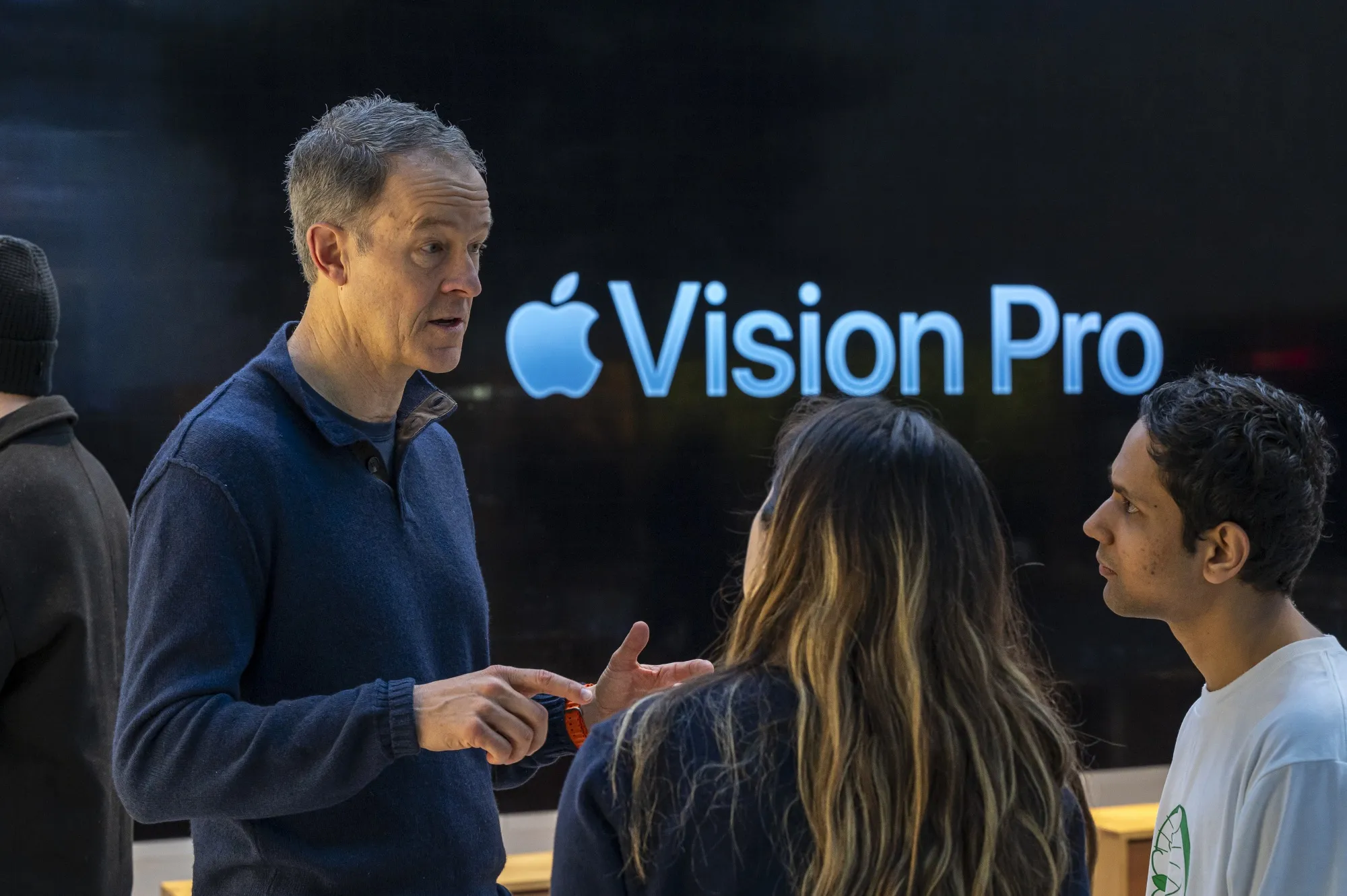
The transition also highlights Apple’s ongoing evolution. As the company navigates the age of AI, expanding health technologies, and new device categories, its leadership must guide it through increasingly complex challenges. Khan and the rest of Apple’s executive team now face the task of maintaining the company’s operational excellence while adapting to shifting industry dynamics.
Jeff Williams leaves behind a legacy of discipline, innovation, and steady leadership. His imprint on Apple—especially its supply chain, its health strategy, and the Apple Watch—will continue to influence the company for years to come. As he steps into retirement, Apple moves forward with a refreshed leadership structure, ready for its next chapter while remaining anchored in the principles Williams helped shape.