The global boom in artificial intelligence has triggered an unexpected crisis in the data storage market, driving the cost of solid-state drives (SSDs) to nearly 16 times that of traditional hard disk drives (HDDs) and forcing data center operators to rethink long-term infrastructure strategies. As a result, hybrid deployments combining SSDs and HDDs are now proving significantly cheaper to build and operate than data centers relying exclusively on SSDs.
For over a decade, SSDs were steadily replacing HDDs as the preferred storage medium in enterprise environments due to their speed, durability, and declining prices. However, the rapid rise of AI workloads has dramatically altered this trajectory. AI systems demand enormous quantities of advanced memory and semiconductor components, placing immense strain on supply chains already operating near capacity.
At the heart of the problem is a shortage of NAND flash memory, the key component used in SSDs. As chip manufacturers prioritize production of processors, high-bandwidth memory, and specialized accelerators needed for AI computing, SSD production has taken a back seat. This has resulted in constrained supply and soaring prices for enterprise-grade SSDs, particularly those used in data centers.
In contrast, HDDs have remained relatively stable in price. Because HDDs rely on mechanical components and mature manufacturing processes rather than cutting-edge semiconductor fabrication, they have been less affected by the AI-driven chip shortage. This divergence has created a stark pricing gap between the two technologies, with SSDs now costing up to 16 times more per terabyte than HDDs in certain enterprise segments.
This cost disparity has major implications for data center design. Many companies had planned full migrations to SSD-only storage environments, betting on the long-term decline in SSD prices and the superior performance they offer. However, the sudden and sustained rise in SSD costs has forced operators to reassess these plans, particularly for workloads that do not require ultra-fast data access.
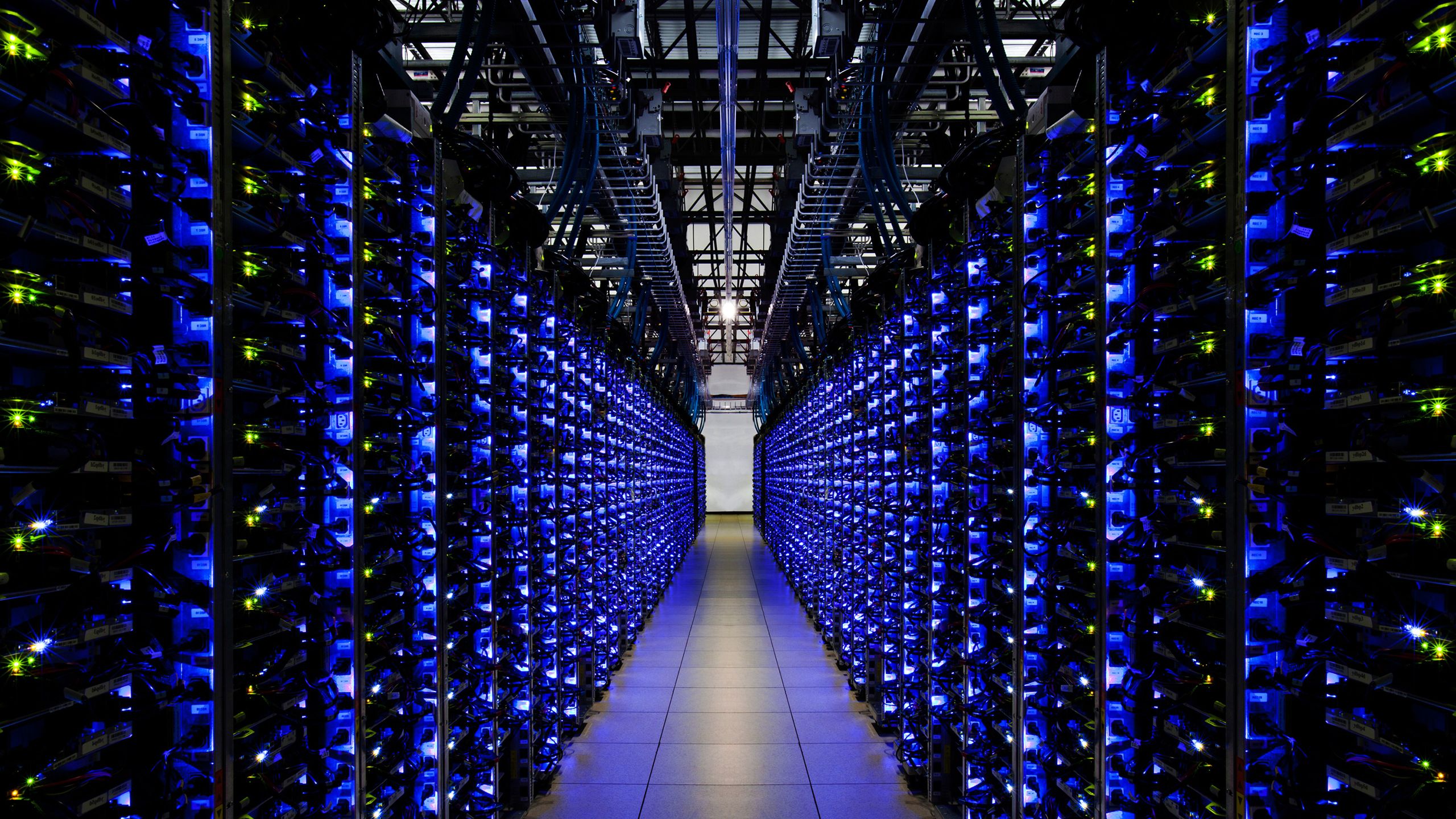
As a result, hybrid storage architectures are gaining renewed momentum. These systems strategically combine SSDs and HDDs, assigning high-performance SSDs to critical workloads that require rapid access, while relegating large volumes of less frequently accessed data to HDDs. This approach allows data centers to balance performance and cost more effectively than relying on SSDs alone.
Industry analysts report that hybrid SSD-HDD data centers are now significantly cheaper to deploy than SSD-only equivalents, often by margins large enough to influence multi-billion-dollar infrastructure decisions. In some cases, hybrid deployments can reduce initial capital expenditures by nearly half, while also lowering long-term operational costs related to power consumption and cooling.
The AI supply chain crisis has affected not just storage hardware but the entire digital infrastructure ecosystem. Demand for advanced chips has surged across sectors, from cloud computing to autonomous vehicles and generative AI applications. Semiconductor manufacturers are struggling to expand capacity quickly enough to meet this demand, leading to prolonged shortages and price volatility.
Cloud service providers and hyperscale data centers have been among the most affected. These firms require massive amounts of storage to support AI model training, real-time analytics, and content delivery. While they possess greater purchasing power than smaller enterprises, even they have been forced to reconsider storage strategies in light of rising SSD costs.
For smaller data centers and enterprises, the shift toward hybrid systems has been even more pronounced. Limited budgets and sensitivity to hardware price fluctuations make SSD-only environments increasingly impractical. Hybrid architectures provide a way to scale storage capacity without sacrificing financial stability.
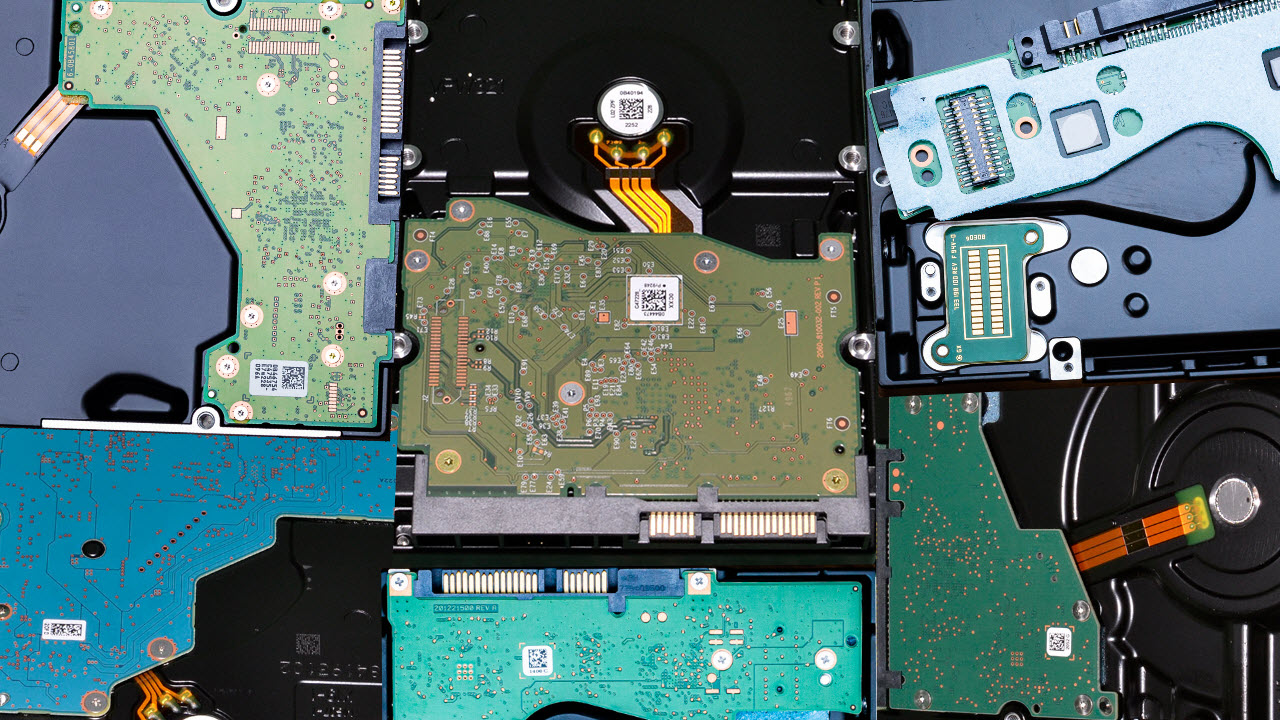
Interestingly, this shift represents a revival for HDDs, which many had predicted would gradually disappear from data centers. Instead, HDDs are now enjoying renewed relevance as the backbone of large-scale, cost-efficient storage. Advances in HDD technology have also strengthened their position, with newer drives offering higher capacities and improved energy efficiency.
Manufacturers have introduced innovations such as heat-assisted and microwave-assisted magnetic recording, allowing HDDs to store more data in smaller physical spaces. These developments have made HDDs particularly attractive for data lakes, backups, and archival storage, where performance is less critical than capacity and cost.
Meanwhile, SSD manufacturers face growing pressure to stabilize supply chains and increase production capacity. Several companies have announced plans to build new fabrication facilities and expand NAND output, but such investments take years to materialize. Until then, SSD prices are expected to remain elevated, especially in the enterprise market.
The long-term outlook suggests that while SSDs will continue to dominate performance-sensitive tasks, they are unlikely to completely replace HDDs in the foreseeable future. Instead, hybrid storage models are expected to remain the industry standard, particularly as AI-driven data growth shows no signs of slowing.
For businesses planning new data centers or upgrading existing ones, the current situation highlights the importance of flexibility in infrastructure planning. Rather than committing to a single storage technology, organizations are increasingly prioritizing modular, adaptable systems that can respond to market volatility and shifting technological demands.
In a technology sector often defined by relentless innovation and rapid obsolescence, the renewed importance of HDDs serves as a reminder that older technologies can regain prominence under the right conditions. As artificial intelligence continues to reshape the digital economy, it is not only software and algorithms that are evolving, but also the fundamental hardware choices that underpin the world’s information systems.