Kia’s electric vehicle lineup, once considered one of the most promising among legacy automakers, is facing a sharp downturn in sales that has surprised analysts and consumers alike. Models that previously drew strong demand and critical praise are now seeing steep year-over-year declines in several major markets. On the surface, the numbers suggest a dramatic collapse in momentum. But industry experts say the situation is more complex than a simple drop in consumer interest — and may reflect a broader transition underway in the EV sector.
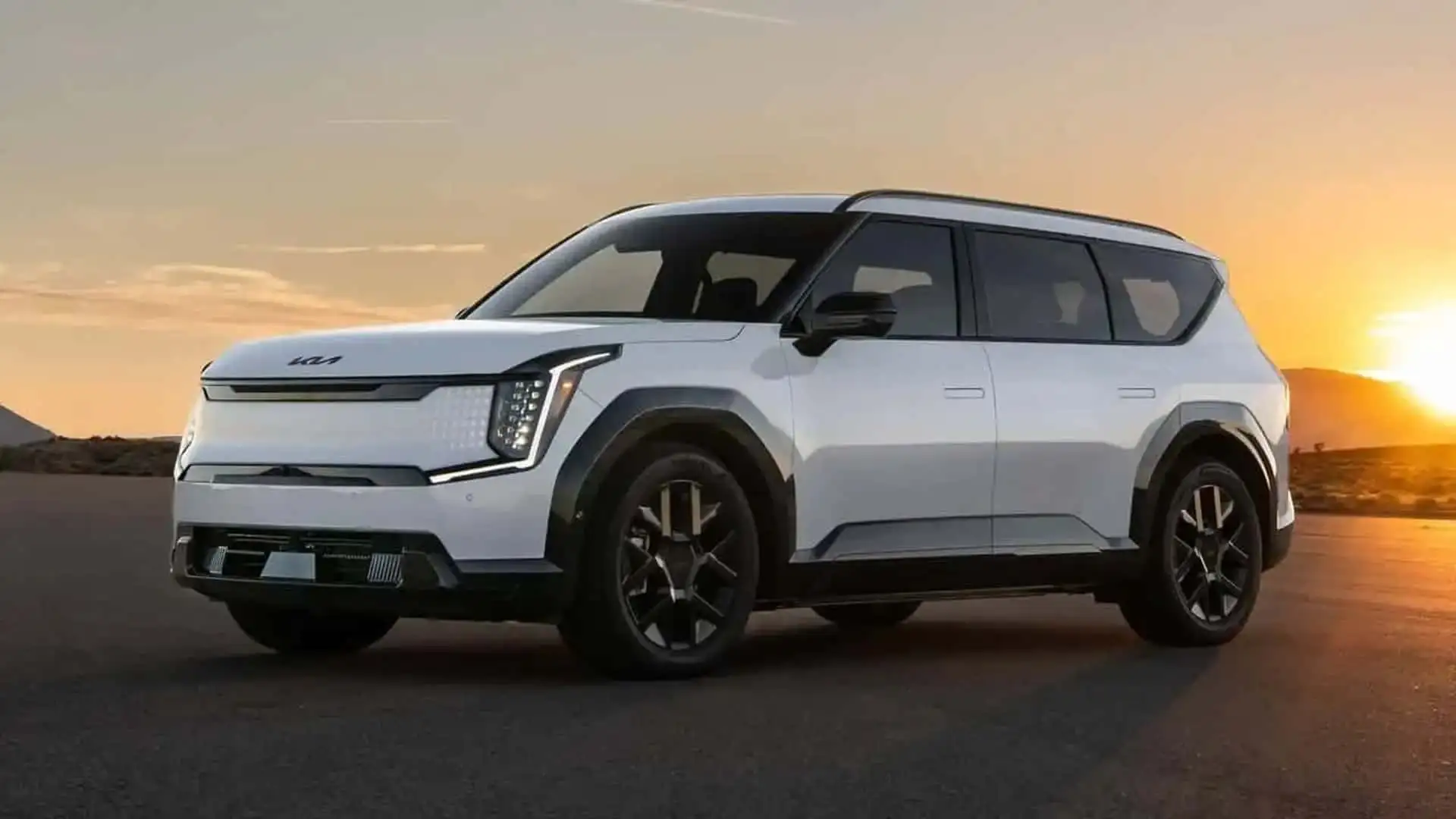
Recent monthly sales reports show that Kia’s flagship electric models — particularly its dedicated EV crossovers and SUVs — have recorded significant declines compared to the same period last year. The fall is notable because these vehicles were early standouts in the non-Tesla EV space, praised for design, range, and charging speed. Their slowdown raises an obvious question: why would well-reviewed products suddenly lose traction?

One key factor is the changing incentive landscape. Government subsidies and tax credits played a major role in accelerating EV adoption over the past several years. As some of these incentives have been reduced, restructured, or phased out in certain regions, the effective purchase price of many electric vehicles has risen. Even when manufacturers introduce discounts, consumers often perceive the value differently when incentives are no longer automatic or guaranteed. That psychological shift alone can dampen demand.
Price sensitivity is especially important in the current economic climate. High interest rates have made auto loans more expensive, increasing monthly payments across the board. Because EVs often carry higher sticker prices than comparable gasoline models, they are more exposed to financing pressure. Buyers who might have stretched their budgets for an electric vehicle two years ago are now more cautious, often choosing hybrids or high-efficiency gasoline vehicles instead.
Another major influence is the broader cooling of the EV market after its early rapid-growth phase. The first wave of EV buyers tended to be early adopters — consumers motivated by technology, environmental concerns, or brand loyalty. That group has largely been served. The next wave — mainstream buyers — has different priorities: price, convenience, charging availability, resale value, and long-term reliability. Automakers across the industry are discovering that this second wave is harder to convert than expected.
Charging infrastructure remains a sticking point. While public charging networks have expanded, coverage is uneven and reliability varies by region. Many apartment dwellers and urban residents still lack convenient home charging options. For these buyers, the ownership experience feels uncertain. Surveys show that a significant share of potential EV customers continue to delay purchases due to charging concerns, even if they like the vehicles themselves.
Kia’s own product timing may also be contributing to the slump. The company is in the middle of a lineup transition, with newer and more affordable electric models planned but not yet widely available. When consumers know that lower-cost or updated models are coming soon, they often postpone purchases. This “wait effect” can temporarily depress sales of current models, even if long-term interest remains healthy.
There is also the issue of internal competition. Kia operates within a larger automotive group that includes sibling brands offering closely related EV products on shared platforms. In some cases, consumers cross-shop these vehicles and choose the alternative brand based on styling, dealership experience, or promotional offers. When two similar vehicles compete for the same buyer pool, one model’s gain can appear as another’s sharp loss — even though the broader group’s EV footprint remains stable.
Production strategy plays a role as well. Automakers constantly adjust factory output based on demand signals. If gasoline SUVs and hybrids are selling faster and delivering stronger margins, manufacturers may shift production capacity toward those vehicles. That can reduce EV inventory on dealer lots, which in turn lowers reported sales. In such cases, weaker sales numbers may partly reflect supply decisions rather than pure consumer rejection.
Dealer dynamics add another layer. Unlike some EV-focused brands that sell directly to customers, Kia relies on traditional dealerships. Dealers respond to local demand and profitability. If EVs require more explanation, longer sales cycles, or specialized service investment, some dealers may emphasize easier-to-move gasoline or hybrid inventory instead. That affects how prominently EVs are marketed and how often they are recommended to shoppers.
Consumer expectations have evolved too. Early EV marketing emphasized performance, technology, and environmental benefits. Today’s buyers increasingly focus on total ownership cost — including insurance, tire wear, battery longevity, and resale value. Rapid price changes across the EV market over the past two years have made some shoppers wary about depreciation. If buyers believe prices may fall further, they delay purchases, reinforcing the slowdown.
Importantly, Kia’s overall vehicle sales in many regions remain solid. Hybrids, plug-in hybrids, and traditional SUVs continue to perform well. That suggests the brand itself is not in decline — rather, demand is shifting among powertrain types. Many consumers appear to be choosing electrified options that don’t rely exclusively on charging infrastructure, at least for now.
Looking ahead, Kia is expected to expand its EV portfolio with smaller and more affordable entries, targeting the mass market more directly. Industry analysts say that price accessibility — not just technology — will determine the next phase of EV adoption. If upcoming models meet those expectations, today’s sales slump could prove temporary.
In that sense, what looks like a freefall may actually be a market reset. The EV sector is moving from hype-driven growth to value-driven competition. For Kia and other automakers, success in this new phase will depend less on being early — and more on being practical, affordable, and easy to own.