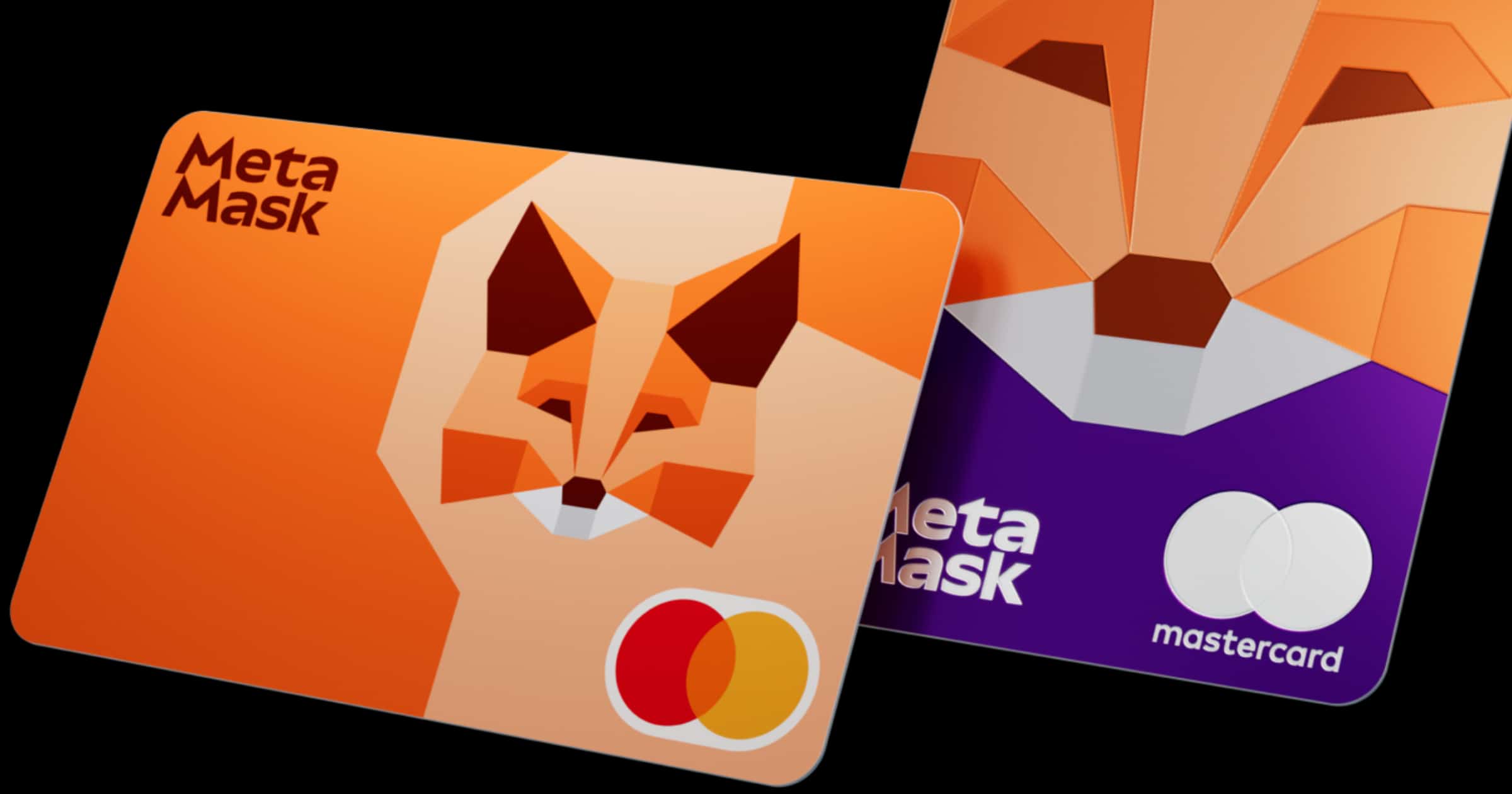
In a landmark development for digital finance, cryptocurrency wallet provider MetaMask has officially partnered with global payments leader Mastercard to launch a crypto payment card across the United States. The move represents a significant step toward integrating decentralized digital assets into everyday financial transactions, allowing users to spend cryptocurrency as easily as traditional money.
The newly introduced MetaMask Card enables customers to pay for goods and services directly using cryptocurrency stored in their personal wallets. Accepted anywhere Mastercard payments are supported, the card connects blockchain-based assets with one of the world’s largest payment infrastructures, effectively bringing crypto spending into mainstream commerce.
Turning Cryptocurrency Into Everyday Money
For years, cryptocurrencies have largely remained confined to trading platforms, investment portfolios, and decentralized finance applications. While adoption has steadily grown, one of the biggest barriers has been the difficulty of using crypto for daily purchases. The MetaMask Card aims to eliminate that friction by enabling real-time conversion of digital assets into fiat currency at the moment of payment.
Unlike earlier crypto debit cards that required users to transfer funds to centralized exchanges, the MetaMask Card operates within a self-custodial framework. This means users retain control of their funds inside their wallets until a transaction takes place. When a purchase is made, the system automatically converts the selected cryptocurrency into U.S. dollars, completing the payment seamlessly for merchants.
Industry analysts describe the launch as a major milestone in bridging decentralized finance and traditional banking systems.
Nationwide Rollout Expands Access
The card is being rolled out across most of the United States, marking one of the largest crypto payment expansions in the country to date. The availability of the service reflects growing confidence among financial institutions that digital asset payments can coexist with existing regulatory and compliance standards.
Executives from both companies emphasized that the goal is not to replace traditional banking overnight but to provide consumers with greater flexibility in how they manage and spend their money. By embedding crypto functionality into familiar payment experiences, the partnership seeks to make blockchain technology nearly invisible to the average user.
Users can access both virtual and physical versions of the card. The virtual card can be instantly added to mobile payment platforms, allowing contactless transactions through smartphones or wearable devices shortly after approval.
Features Designed for Modern Consumers
The MetaMask Card introduces several features intended to encourage everyday crypto usage. Customers can choose which digital assets they wish to spend, manage transactions directly through their wallets, and track payments in real time. Rewards programs tied to spending are also expected to offer cashback incentives delivered in digital currency.
Security remains a central focus of the launch. Because funds remain under user custody until payment authorization, risks associated with centralized storage breaches are reduced. Advanced authentication and compliance checks have also been integrated to meet financial regulations in the United States.
Supporters argue that this approach preserves one of cryptocurrency’s founding principles — user ownership — while still offering the convenience of modern payment systems.
Mastercard’s Expanding Crypto Strategy
The partnership reflects Mastercard’s broader strategy of positioning itself as a gateway between emerging digital asset ecosystems and traditional financial infrastructure. Rather than issuing cryptocurrencies directly, the company has increasingly focused on enabling blockchain-based services through partnerships with fintech and Web3 firms.
By collaborating with MetaMask, Mastercard gains access to millions of crypto-native users while reinforcing its role as a payment network adaptable to evolving financial technologies.
Financial experts believe such collaborations indicate that major payment companies no longer view cryptocurrency as competition but as an extension of the global payments landscape.
Competition Intensifies in Crypto Payments
The launch comes amid rising competition among financial technology companies racing to simplify crypto payments. Several firms have introduced crypto-linked cards in recent years, but many relied heavily on custodial systems or limited exchange integrations.
MetaMask’s strong presence within decentralized applications gives the new card a distinct advantage. As one of the most widely used crypto wallets worldwide, MetaMask already serves as an entry point for users interacting with blockchain networks, NFTs, and decentralized finance platforms.
The addition of payment functionality transforms the wallet into a more comprehensive financial tool, potentially reshaping how users interact with their digital assets.
Toward a Hybrid Financial Future
The introduction of the MetaMask Card signals a broader shift toward hybrid financial systems where traditional banking and decentralized technologies operate side by side. As regulatory clarity improves and consumer familiarity with crypto grows, industry leaders anticipate increased demand for solutions that merge convenience with digital ownership.

For everyday consumers, the appeal lies in flexibility — the ability to hold assets on blockchain networks while still participating effortlessly in conventional commerce. For businesses, the card requires no operational changes, as transactions are settled through existing payment channels.
While challenges remain, including price volatility and evolving regulation, the partnership demonstrates growing confidence that cryptocurrencies can function as practical payment instruments rather than purely speculative assets.
As digital finance continues to evolve, the MetaMask–Mastercard collaboration may represent an early glimpse of a future where paying with cryptocurrency becomes as routine as swiping a debit card — marking another step toward the normalization of blockchain technology in daily economic life.