Japan is set to introduce strict new aviation safety measures that will effectively ban the use of portable power banks during flights beginning in mid-April, following growing concerns over lithium-ion battery risks aboard passenger aircraft.
The decision comes after a recent safety incident involving a passenger plane operated by Air Busan, where a mobile battery device discovered onboard prompted renewed scrutiny from aviation authorities across East Asia. Investigators examining the case highlighted potential dangers posed by portable charging devices carried by passengers, particularly during flight operations.
Japan’s Ministry of Land, Infrastructure, Transport and Tourism has now moved to tighten regulations governing the carriage and use of power banks, signaling one of the region’s most comprehensive responses to battery-related aviation risks in recent years.
Power Bank Use to Be Prohibited During Flights
Under the revised rules, passengers will still be permitted to carry portable battery packs in their cabin luggage, but using power banks while onboard aircraft will no longer be allowed. Travelers will be prohibited from charging smartphones, tablets, laptops, or other electronic devices using mobile batteries once boarding is complete.
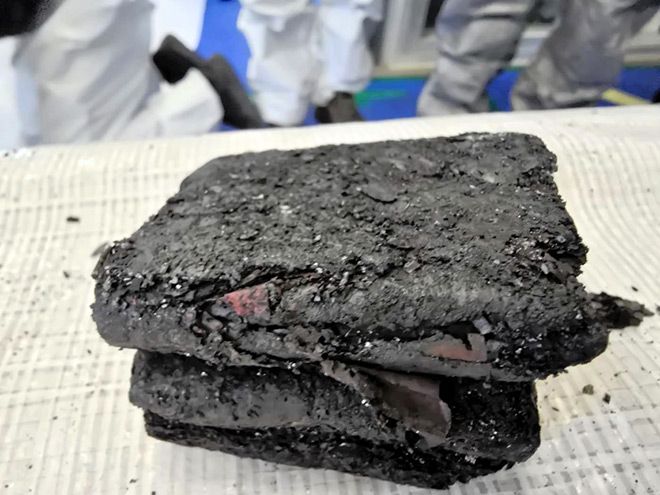
Officials say the restriction aims to reduce the likelihood of overheating incidents caused by prolonged charging or device malfunction during flight. Lithium-ion batteries, commonly used in portable chargers, can pose serious fire hazards if damaged, exposed to pressure changes, or subjected to manufacturing defects.
Cabin fires linked to battery failures remain among aviation’s most feared emergencies due to the confined space of aircraft interiors and limited options for emergency response at cruising altitude.
Limits on Number and Capacity of Batteries
In addition to banning onboard usage, Japan’s transport ministry plans to introduce limits on the number of power banks passengers may carry. Restrictions will also apply to battery capacity, ensuring that only devices meeting approved safety thresholds are allowed onboard.
Passengers carrying multiple high-capacity charging devices — increasingly common among travelers using gaming consoles, cameras, and laptops — may be required to reduce the number of batteries in their possession before boarding flights operated by Japanese airlines.
Airlines are expected to publish detailed guidelines ahead of implementation to help passengers comply with the new standards.
Public Consultation Begins
The ministry began accepting public comments on February 27 as part of the formal revision process to Japan’s Civil Aeronautics regulations. Aviation experts, airline operators, manufacturers, and members of the public have been invited to provide feedback before the rules are finalized.
Officials indicated that while public consultation remains open, the government intends to move forward quickly due to rising safety concerns linked to portable electronic devices.
The accelerated timeline reflects broader anxiety within the aviation industry as passenger dependence on rechargeable electronics continues to grow.
Rising Risks From Everyday Devices
Portable power banks have become essential travel accessories, particularly on long-haul flights where passengers rely heavily on mobile devices for entertainment, communication, and work. However, safety experts warn that the widespread use of lithium-ion batteries has introduced new risks unfamiliar to earlier generations of aviation safety planning.
Unlike conventional electrical fires, lithium-ion battery fires can burn at extremely high temperatures and may reignite even after initial suppression. Smoke produced by such incidents can spread rapidly through aircraft cabins, creating dangerous conditions for passengers and crew.
Authorities believe that preventing active charging during flight significantly reduces the chances of thermal runaway — a chain reaction that can cause batteries to ignite unexpectedly.
Airlines Prepare for Implementation
Japanese airlines are now preparing operational adjustments ahead of the April rollout. Cabin crews will likely include the new restriction in safety briefings, while airports and booking platforms are expected to notify travelers before departure.
Flight attendants may be tasked with monitoring passenger compliance, particularly during long flights when device charging is most common. Airlines are also encouraging passengers to fully charge electronic devices before boarding or use built-in seat power outlets where available.
Industry analysts predict minimal disruption to travel operations but acknowledge that passengers accustomed to continuous device charging may need to adjust travel habits.
Safety Over Convenience
Transport officials emphasized that the regulation prioritizes preventive safety rather than responding to widespread accidents. Even isolated incidents involving battery overheating are treated seriously due to the potentially catastrophic consequences in flight.
Aviation regulators worldwide have increasingly focused on lithium-ion battery management, especially as newer power banks offer higher energy capacities capable of charging devices multiple times.
Japan’s decision reflects a precautionary approach aimed at minimizing risk before incidents escalate into emergencies.

Possible Global Impact
Experts believe Japan’s move could influence aviation authorities in other countries evaluating similar restrictions. As international travel rebounds and passengers carry more electronic equipment than ever before, regulators are reassessing safety standards designed before portable battery technology became ubiquitous.
If adopted elsewhere, bans on in-flight power bank use may become a common feature of airline travel globally, reshaping expectations around device usage in the air.
For travelers flying to or within Japan after mid-April, the message will be clear: while power banks may still accompany passengers onboard, their use during flight will soon be grounded in the interest of passenger safety and aviation security.