A growing wave of online protest is gaining traction across social media platforms as users rally behind the emerging “Cancel ChatGPT” movement following reports that OpenAI has entered into a cooperation agreement with the United States Department of Defense. The controversy has triggered intense debate about the ethical boundaries of artificial intelligence and its expanding relationship with military institutions.
The backlash began shortly after news circulated that OpenAI’s advanced artificial intelligence systems would be made available for use in defense-related operations, including data analysis, logistics planning, cybersecurity monitoring, and intelligence assessment. Although company representatives emphasized that the technology would not be used to directly control weapons or autonomous combat systems, critics argue that any collaboration with military agencies represents a troubling shift away from earlier commitments to ethical AI development.
Across online forums, users expressed anger and disappointment, accusing the company of prioritizing government contracts over humanitarian principles. The phrase “No ethics at all” quickly became a rallying cry shared widely on social media, appearing alongside calls to cancel subscriptions and move toward alternative AI platforms perceived as maintaining stricter ethical boundaries.
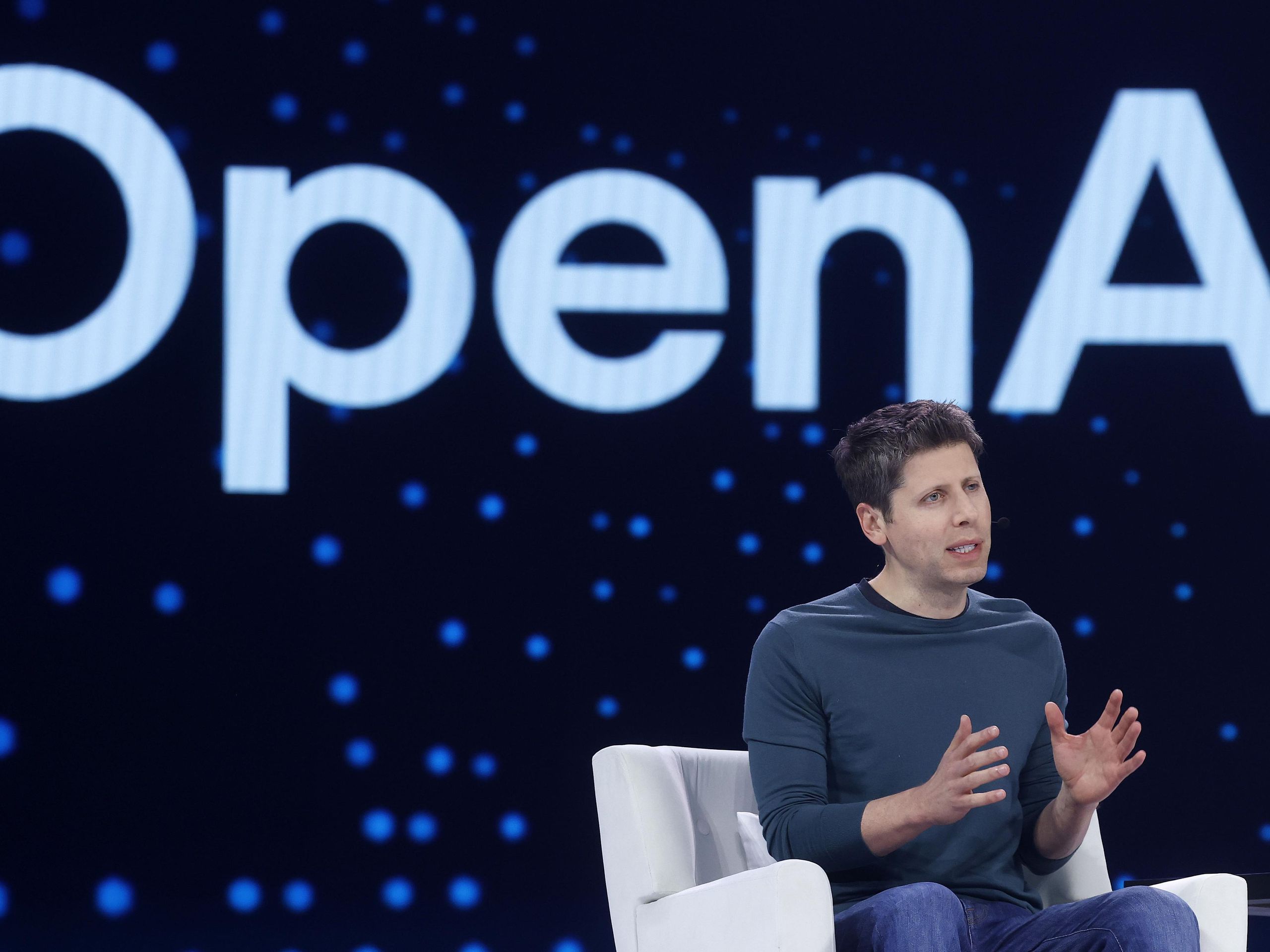
Digital creators, students, and technology professionals have joined the discussion, with many questioning whether AI tools designed for education, creativity, and productivity should also serve military objectives. For some users, the controversy reflects a broader fear that artificial intelligence is gradually becoming embedded within systems of surveillance and warfare.
The movement has gained momentum particularly among younger users who previously embraced AI chatbots as symbols of technological democratization. Many now argue that the integration of consumer AI into national defense frameworks blurs the line between civilian innovation and military infrastructure. Online petitions urging companies to adopt legally binding ethical restrictions on AI deployment have begun circulating, attracting thousands of signatures within days.
Supporters of the boycott claim that public pressure is necessary to hold technology companies accountable at a moment when artificial intelligence is rapidly reshaping global power structures. Several influential technology commentators have framed the issue as a defining ethical test for the AI industry, comparing it to earlier debates over nuclear research, facial recognition technology, and mass data surveillance.
OpenAI, however, has defended its decision, stating that engagement with democratic governments allows responsible oversight and prevents unsafe or uncontrolled uses of AI technologies. Company officials argue that refusing cooperation would not halt military adoption of AI but might instead encourage reliance on less transparent or less regulated systems developed elsewhere.
This defense has done little to calm critics, who maintain that corporate assurances alone cannot substitute for enforceable international standards governing AI use in defense contexts. Civil liberties advocates warn that even non-combat applications—such as intelligence analysis or predictive modeling—could indirectly influence military decision-making in ways that raise moral concerns.
The controversy has also highlighted growing competition within the artificial intelligence sector. Rival companies positioning themselves as safety-focused alternatives have seen increased public attention as disillusioned users explore new platforms. Analysts note that ethical branding is rapidly becoming a significant factor in consumer loyalty within the AI marketplace.
Beyond subscription cancellations, the movement represents a deeper cultural shift in how users perceive artificial intelligence companies. Unlike earlier technology controversies involving social media privacy or data misuse, the current backlash centers on geopolitical responsibility. Users are increasingly treating AI developers not merely as software providers but as global actors whose decisions carry social and political consequences.
Academic voices have also entered the debate, warning that the normalization of AI–military collaboration may accelerate an international technological arms race. As nations compete to integrate machine learning into defense strategy, experts fear that ethical safeguards may struggle to keep pace with innovation.
At the same time, some industry observers caution against oversimplifying the issue. They argue that artificial intelligence already plays a role in disaster response, cybersecurity defense, and threat prevention, and that cooperation between technology companies and governments can serve protective rather than aggressive purposes. From this perspective, responsible participation may reduce risks rather than intensify them.
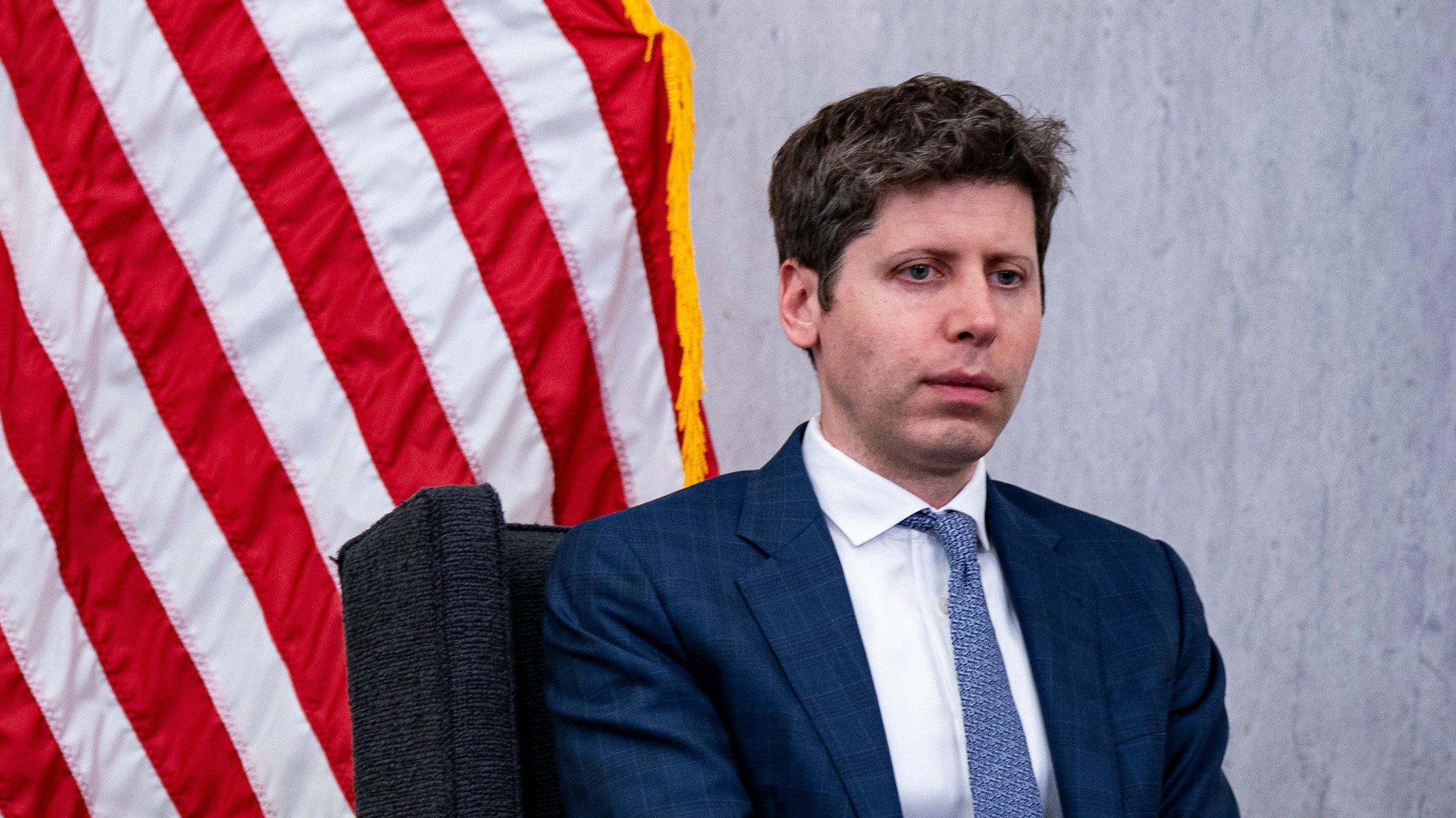
Nevertheless, public perception remains sharply divided. Online discussions reveal a growing distrust toward large technology firms, fueled by concerns that commercial incentives increasingly outweigh ethical commitments. For many participants in the “Cancel ChatGPT” campaign, the issue extends beyond a single agreement and reflects anxiety about who ultimately controls powerful AI systems.
Whether the movement results in lasting financial consequences for OpenAI remains uncertain. ChatGPT continues to maintain a vast global user base and deep integration across workplaces, universities, and creative industries. Yet the speed at which the backlash has spread demonstrates how quickly public sentiment can shift when technological innovation intersects with questions of war and governance.
The unfolding controversy may ultimately mark a turning point for the artificial intelligence industry. As AI systems move from experimental tools to critical infrastructure, companies are likely to face increasing demands for transparency, accountability, and ethical clarity.
For now, the “Cancel ChatGPT” trend continues to expand, transforming what began as an online reaction into a wider conversation about the moral responsibilities of technology in an era where innovation and power are becoming inseparable.