In a major step toward strengthening user privacy and security, Mozilla Firefox has announced that its latest update, Firefox 149, will include a built-in free VPN service offering users up to 50GB of monthly data. The move signals Mozilla’s continued push to position its browser as a privacy-first alternative in an increasingly competitive digital landscape.
The newly integrated VPN feature eliminates the need for third-party extensions or standalone applications, allowing users to activate secure browsing directly within the browser. By encrypting internet traffic and masking IP addresses, the VPN aims to provide an additional layer of protection against tracking, surveillance, and data interception.
A Step Toward Simplified Privacy
Mozilla has long emphasized user privacy as a core principle, and the addition of a built-in VPN reflects this commitment. With growing concerns over data breaches, targeted advertising, and online tracking, users are increasingly looking for simple, reliable tools to protect their digital footprint. By embedding a VPN directly into the browser, Mozilla is making privacy more accessible, especially for users who may not be familiar with external VPN services.
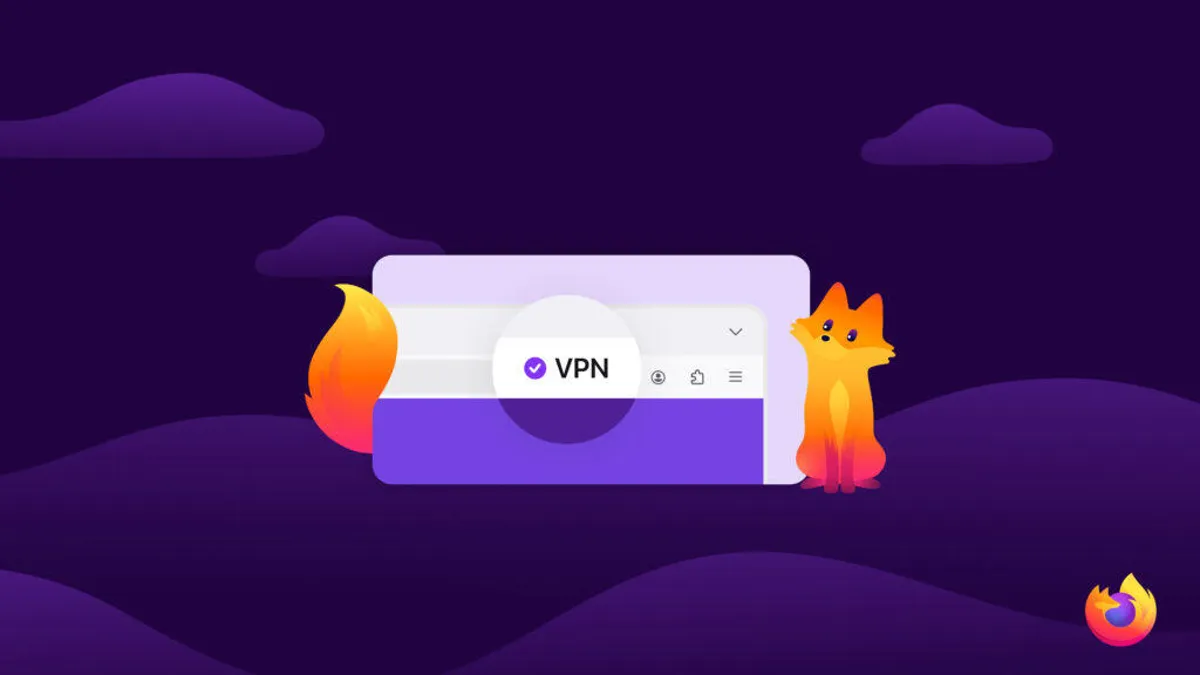
The feature is designed to be easy to use, with a straightforward toggle that allows users to turn the VPN on or off as needed. Once activated, browsing activity within Firefox is routed through secure servers, effectively concealing the user’s real location and making it more difficult for websites and advertisers to track behavior.
Understanding the 50GB Data Cap
While the introduction of a free VPN is a notable development, the 50GB monthly data limit is a key aspect of the offering. For many users, this amount of data will be sufficient for everyday tasks such as browsing, checking emails, and engaging with social media. It may also support moderate video streaming and downloads, depending on usage patterns.
However, heavy users who frequently stream high-definition content or download large files may find the cap restrictive. The limitation suggests that the free VPN is intended as a practical, entry-level tool rather than a full replacement for premium VPN services. It also reflects the broader challenge of balancing accessibility with infrastructure costs, as maintaining secure global servers requires significant resources.
Browser-Level Protection
One important distinction of Firefox’s built-in VPN is that it operates at the browser level. This means that only internet activity within Firefox is protected, while traffic from other applications on the device remains unaffected. For users seeking comprehensive, system-wide protection, dedicated VPN software may still be necessary.
Despite this limitation, browser-level VPNs can be highly effective for protecting web-based activities, which account for a significant portion of most users’ online interactions. By focusing on the browser, Mozilla is targeting the area where privacy concerns are often most pronounced.
New Features Accompanying the Update
The VPN is just one part of a broader set of updates introduced in Firefox 149. Mozilla has also unveiled several new features aimed at improving productivity and user experience.
Among them is Split View, which allows users to view two websites side by side within the same window. This feature is particularly useful for multitasking, research, and content comparison. Another addition, Tab Notes, enables users to take and save notes directly within their browser tabs, reducing the need to switch between applications.
Mozilla has also introduced Smart Window, an optional AI-powered tool designed to provide summaries and assist with information gathering. While still in its early stages, this feature reflects the growing integration of artificial intelligence into everyday browsing experiences.
Together, these updates highlight Mozilla’s effort to create a more comprehensive and user-friendly browsing environment that goes beyond basic web navigation.
Competitive Implications
The introduction of a free VPN places Firefox in a stronger position within the browser market, where competitors are increasingly adding integrated tools to attract users. While some browsers focus on speed or customization, Mozilla continues to differentiate itself through its emphasis on privacy and transparency.
By offering a free VPN, Mozilla is not only enhancing its value proposition but also responding to a broader shift in user expectations. As digital privacy becomes a mainstream concern, features that were once considered advanced or optional are quickly becoming standard.
At the same time, the move may serve as a gateway to Mozilla’s premium services. Users who find the built-in VPN useful but require higher data limits or additional features may eventually consider upgrading to a paid plan.

Looking Ahead
The rollout of Firefox 149 and its built-in VPN represents a significant milestone in the evolution of web browsers. It underscores a growing trend toward integrating security and privacy tools directly into core software, reducing reliance on external solutions.
Mozilla has indicated that the feature will initially be available in select regions, with plans to expand access based on user feedback and demand. This phased approach allows the company to refine the service and address any technical challenges before a wider release.
As the internet continues to evolve, the importance of privacy and security is only expected to grow. With Firefox 149, Mozilla is taking a proactive step to meet these challenges, offering users a practical and accessible way to protect their online activity.
Whether the built-in VPN becomes a defining feature of the browser will depend on its performance, reliability, and user adoption. However, its introduction marks a clear signal that the future of browsing will be shaped not just by speed and convenience, but by trust and security as well.