In a striking moment of candor, the chief executive of Honda has delivered a sobering assessment of the global automotive landscape after visiting a major supplier facility in Shanghai. Confronted with the scale, efficiency, and technological sophistication of China’s manufacturing ecosystem, the CEO reportedly remarked, “We have no chance against this,” highlighting the growing competitive pressure faced by traditional automakers.
The comment, while blunt, reflects a deeper concern within the global auto industry: China’s rise as a manufacturing and electric vehicle powerhouse is no longer a distant threat—it is an immediate and formidable reality. Over the past decade, China has built an industrial ecosystem that integrates supply chains, technology development, and production capabilities at an unprecedented scale.
A Glimpse Into China’s Manufacturing Power
The Shanghai facility that prompted the reaction is believed to be part of a vast network of suppliers specializing in next-generation automotive components, particularly those related to electric vehicles (EVs). What stood out most during the visit was not just the size of the operation, but the level of coordination and speed at which different components were designed, produced, and assembled.
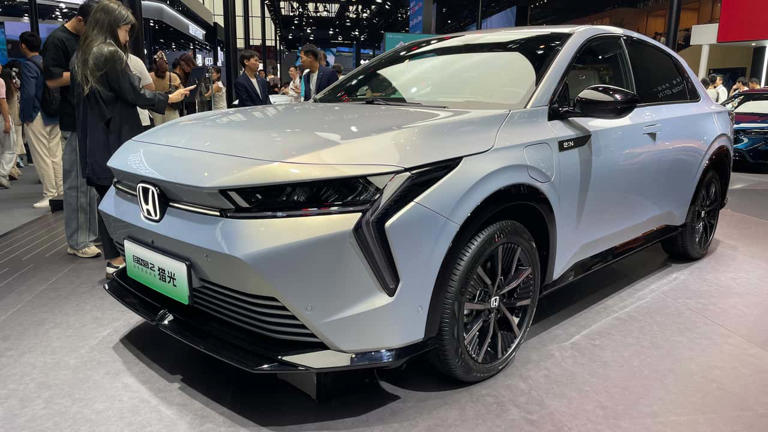
Unlike traditional supply chains that stretch across multiple countries and vendors, Chinese manufacturers often operate within tightly knit industrial clusters. These clusters allow suppliers to collaborate in real time, significantly reducing production delays and logistical costs. Components such as batteries, semiconductors, and electronic systems are frequently developed and manufactured within close proximity, enabling rapid iteration and innovation.
For Honda, which has long relied on a globalized and highly specialized supplier network, this level of integration presents both an opportunity and a challenge. The efficiency observed in Shanghai suggests that competing on cost and speed alone may be increasingly difficult.
The Electric Vehicle Race Intensifies
The timing of the CEO’s remarks is particularly significant as the global automotive industry accelerates its shift toward electrification. EV production demands a fundamentally different supply chain compared to traditional internal combustion engine vehicles. Batteries, software systems, and electronic components now play a central role, and China has established a commanding lead in many of these areas.
Chinese suppliers benefit from years of investment in battery technology, access to critical raw materials, and strong domestic demand. This has enabled local automakers to scale production quickly while maintaining competitive pricing. As a result, Chinese EV manufacturers are not only dominating their home market but are also expanding aggressively into international markets.
Honda, like many legacy automakers, is working to catch up. The company has announced ambitious plans to expand its EV lineup and invest in new technologies. However, the gap in supply chain efficiency and production speed highlighted by the Shanghai visit underscores the scale of the challenge ahead.
Rethinking Strategy
Industry analysts interpret the CEO’s remarks not as a concession of defeat, but as a wake-up call. Recognizing the strengths of China’s supplier ecosystem may prompt Honda to reevaluate its own strategies. This could include forging closer partnerships with local suppliers, increasing investment in regional manufacturing hubs, or adopting more integrated production models.
At the same time, Honda is likely to leverage its established strengths, including engineering expertise, brand reliability, and a strong global presence. These factors remain significant advantages, particularly in markets where consumer trust and regulatory compliance are critical.
However, adapting to the new competitive environment will require more than incremental improvements. It may involve a fundamental transformation of how vehicles are designed, developed, and delivered to market.
A Broader Industry Reckoning
Honda’s experience is emblematic of a broader shift taking place across the automotive industry. Automakers in Japan, Europe, and North America are increasingly acknowledging the speed at which China has advanced. The traditional advantages of scale, brand legacy, and engineering excellence are being challenged by a new model of manufacturing that prioritizes agility, integration, and cost efficiency.
The implications extend beyond individual companies. Governments and policymakers are also taking note, as the competitiveness of domestic automotive industries becomes a matter of economic and strategic importance. Efforts to localize supply chains, invest in battery production, and support innovation are gaining momentum in response.
Looking Ahead
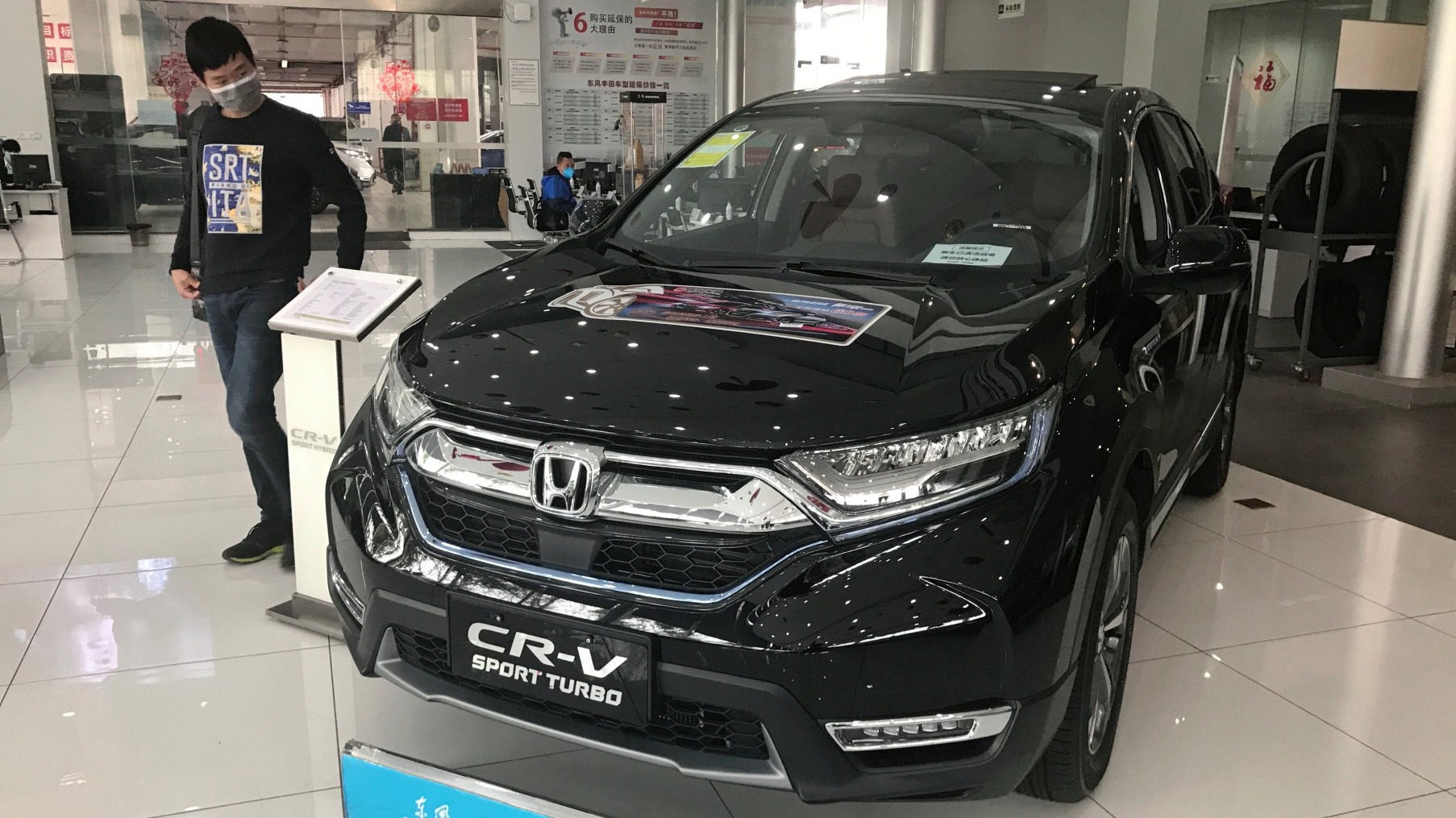
The remark “We have no chance against this” may resonate as a moment of humility, but it also signals a turning point. For Honda, it represents an opportunity to confront the realities of a rapidly changing industry and to adapt accordingly.
The road ahead will not be easy. Competing with China’s supplier strength will require bold decisions, significant investment, and a willingness to embrace new ways of thinking. Yet, the history of the automotive industry is one of constant evolution, and companies that successfully adapt often emerge stronger.
As the global race toward electrification intensifies, the lessons from Shanghai are likely to shape Honda’s strategy in the years to come. Whether this moment becomes a catalyst for transformation or a symbol of widening gaps will depend on how the company—and the industry at large—chooses to respond.
For now, the message is clear: the center of gravity in automotive manufacturing is shifting, and the pace of change is accelerating.