
Australia’s ambitious move to ban social media use for children under the age of 16 is facing growing criticism, as new research suggests the policy is falling short of its primary objective. Despite strict rules aimed at keeping minors off major platforms, a significant number of underage users continue to access social media, raising questions about enforcement and effectiveness.
Introduced in late 2025, the law placed the responsibility on technology companies to prevent users under 16 from creating or maintaining accounts on popular platforms such as Instagram, TikTok, Snapchat, and others. The policy was framed as a decisive response to rising concerns over mental health, online safety, and the addictive nature of social media among young people.
However, early findings from researchers and digital analysts indicate that the ban has not meaningfully reduced youth engagement with these platforms. Surveys suggest that a majority of teenagers who were active on social media prior to the ban have managed to remain online, often using simple workarounds that bypass age restrictions.
One of the most common methods involves falsifying age information during account creation. Since many platforms still rely on self-reported birthdates, young users can easily enter a different year to appear older. In other cases, children are using accounts created by older siblings, friends, or even parents. Some are also turning to virtual private networks (VPNs) to mask their identity or location, making it more difficult for platforms to enforce restrictions.
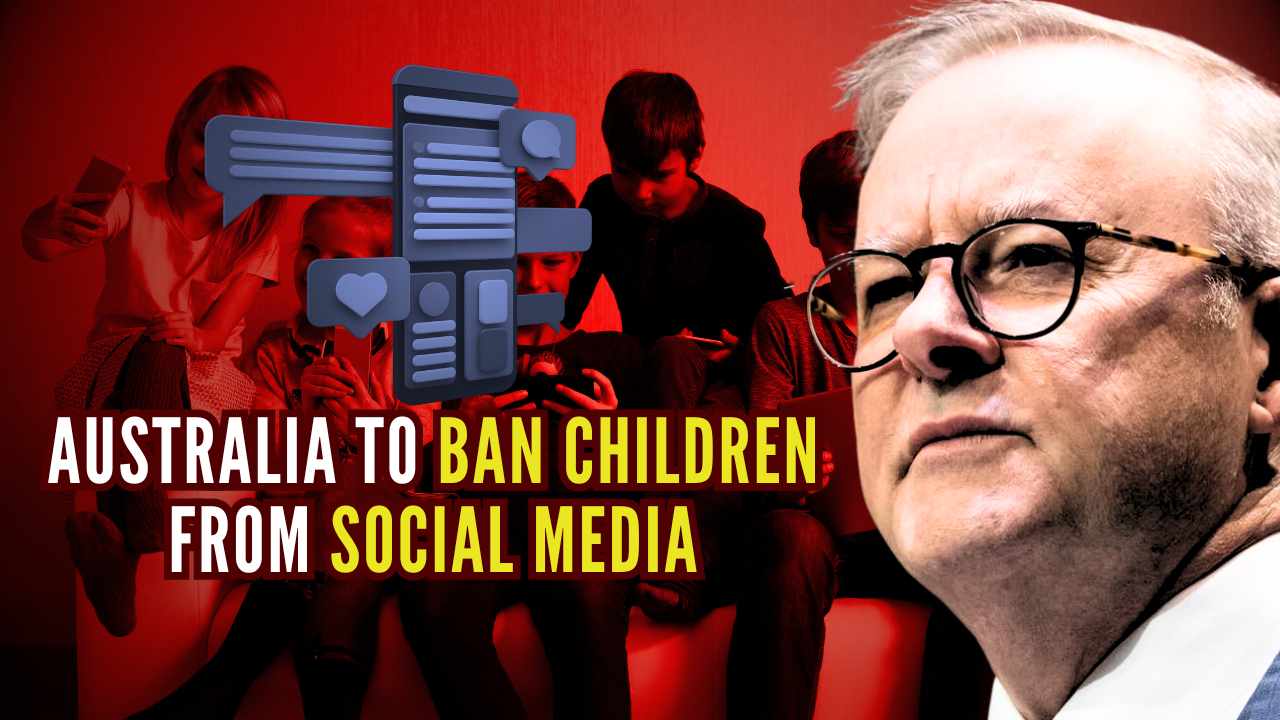
Experts say this highlights a fundamental flaw in the design of the ban. While the legislation places legal pressure on companies, it does not fully address the technical limitations of age verification. More robust solutions, such as biometric identification or government-issued ID checks, raise serious privacy concerns and have not been widely implemented.
As a result, enforcement has become inconsistent. While some platforms have taken steps to remove suspected underage accounts, many users report being able to quickly create new ones. This cycle of account removal and recreation has made it difficult to sustain any long-term reduction in access.
Beyond access itself, the ban appears to have had only a limited impact on overall usage patterns. Researchers note that while there may have been a temporary dip in activity immediately after the law took effect, usage levels have largely rebounded. In some cases, young users have simply migrated to less-regulated or emerging platforms that fall outside the immediate scope of enforcement.
Critics argue that this displacement effect undermines the broader goal of protecting children online. Instead of eliminating risks, the ban may be pushing young users toward spaces with fewer safeguards, less moderation, and greater exposure to harmful content.
The policy has also sparked debate among educators, parents, and child development specialists. Some support the intent behind the ban, emphasizing the need to reduce screen time and protect mental health. Others believe that outright prohibition is an overly blunt tool that fails to reflect the realities of how young people interact with technology.
Many experts advocate for a more balanced approach, combining regulation with education. Digital literacy programs, they argue, can help young users better understand online risks, while parental involvement can play a more direct role in guiding responsible usage. Platform design changes — such as limiting algorithmic amplification of harmful content — are also seen as a critical part of the solution.

Meanwhile, technology companies have pushed back against criticism, stating that they are working to improve age verification systems and comply with legal requirements. However, they also point out the inherent challenges of verifying user identities at scale without compromising privacy or accessibility.
For the Australian government, the current situation represents both a challenge and a learning opportunity. Officials have acknowledged that the ban was never expected to achieve perfect compliance immediately and have described it as part of a longer-term effort to reshape the digital environment for young users.
Further studies are underway to assess the broader impact of the policy, including its effects on mental health, academic performance, and social behavior. Policymakers are also considering potential adjustments to strengthen enforcement and address loopholes.
Internationally, Australia’s experiment is being closely watched. Several countries have explored or proposed similar restrictions, but the early outcomes in Australia are prompting a more cautious approach. Governments are increasingly recognizing that regulating digital behavior — especially among younger users — requires solutions that go beyond simple access restrictions.
Ultimately, the mixed results of the ban underscore a larger truth about the digital age: technology evolves rapidly, and user behavior often adapts even faster. While legislation can set boundaries, it cannot easily override the ingenuity of millions of connected users.
As Australia continues to refine its approach, the debate is likely to shift from whether to regulate youth access to how best to do so effectively. For now, the country’s high-profile policy serves as a reminder that addressing the complexities of online life demands not just rules, but adaptable and multi-layered strategies.