SpaceX shares tumbled 16% on Monday, extending a sharp three-day decline that has erased approximately $600 billion in market value from the aerospace and technology giant. The selloff marks one of the most significant setbacks for the company since its highly anticipated public market debut and highlights growing investor concerns over valuation, spending plans, and broader market uncertainty.
The decline comes after weeks of intense enthusiasm surrounding SpaceX’s entry into public markets. The company, led by billionaire entrepreneur Elon Musk, quickly became one of the most talked-about stocks among both institutional and retail investors. Its reputation as a pioneer in reusable rocket technology, satellite internet services, and advanced space exploration helped drive demand for shares shortly after listing.
However, the latest market action suggests that investors are beginning to reassess expectations. While SpaceX remains one of the most valuable companies in the world, the recent correction indicates that market participants are becoming more cautious about the company’s future growth prospects and financial outlook.
Monday’s 16% decline was particularly notable because it followed substantial losses during the previous two trading sessions. Combined, the three-day selloff wiped out roughly $600 billion in market capitalization, representing a dramatic reversal from the stock’s earlier gains.
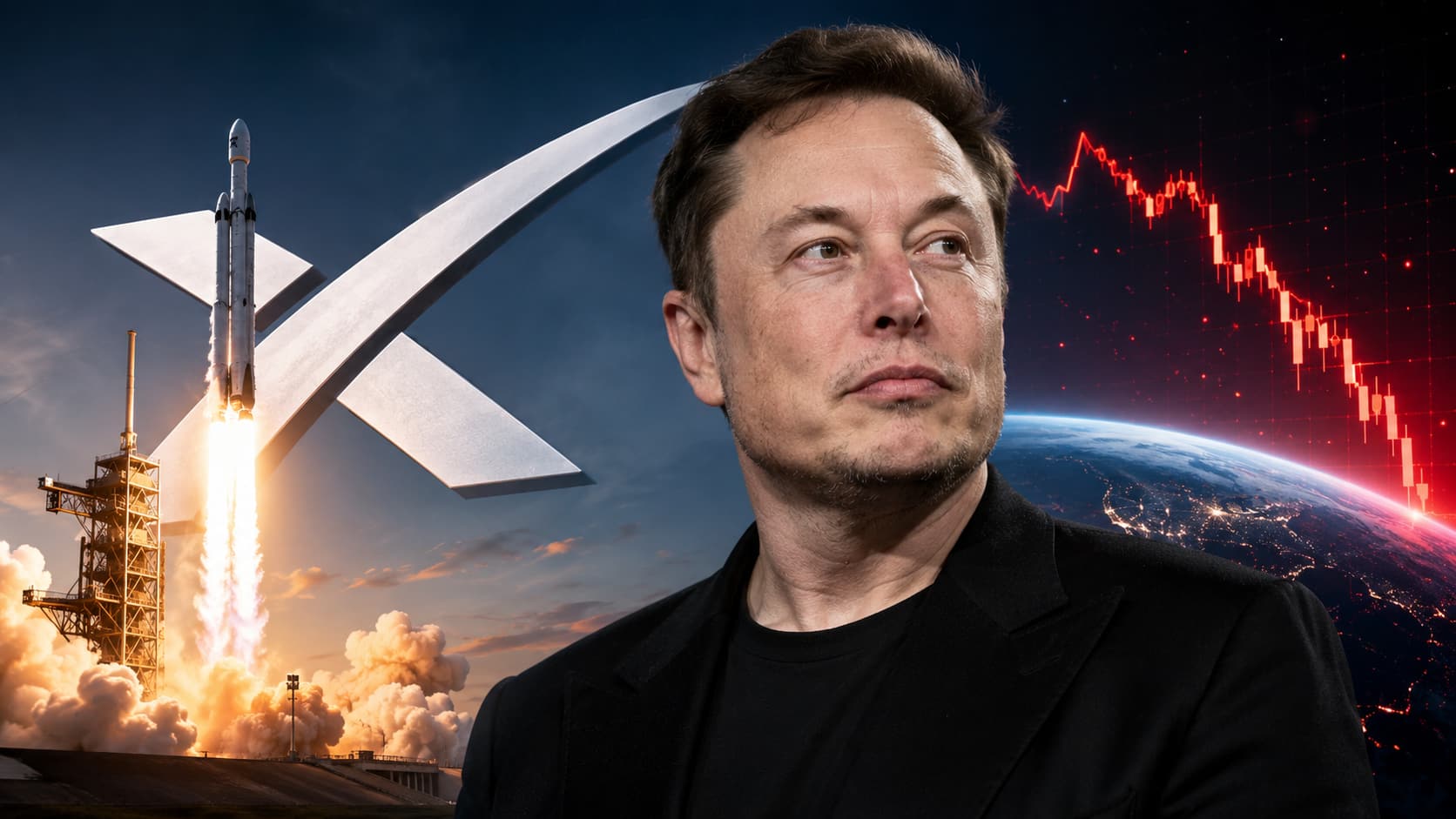
Market analysts attribute the decline to a combination of factors. One of the primary concerns centers on the company’s ambitious expansion plans, which require significant investments in infrastructure, research, and technology development. SpaceX has continued to allocate billions of dollars toward satellite deployment, artificial intelligence initiatives, next-generation spacecraft, and long-term missions aimed at expanding human presence beyond Earth.
While these projects have generated excitement among investors, they also raise questions about profitability and capital requirements. Some market participants are concerned that the company’s aggressive spending could weigh on earnings for years to come, particularly if economic conditions become less favorable.
Investors are also paying close attention to the company’s financing strategy. Recent announcements regarding fundraising efforts and potential debt issuance have fueled debate about how SpaceX plans to fund its long-term vision. Although management has emphasized that additional capital will accelerate innovation and growth, critics argue that rising financial obligations could create pressure on future earnings.
The broader market environment may have also contributed to the selloff. Technology and growth stocks have experienced increased volatility in recent months as investors adjust to changing economic conditions, interest rate expectations, and concerns about global growth. Companies with high valuations and ambitious future projections have been particularly vulnerable to sharp market swings.
Despite the steep decline, retail investors continued to show confidence in SpaceX on Monday. Data from market research firms indicated that individual investors remained net buyers of the stock during the selloff, suggesting that many viewed the decline as an opportunity rather than a warning sign.
Retail traders have played a significant role in SpaceX’s market performance since its listing. The company’s strong brand recognition, association with Elon Musk, and ambitious vision for the future have made it especially popular among younger investors and technology enthusiasts. Many believe the company’s leadership position in commercial spaceflight and satellite communications gives it significant long-term potential despite short-term volatility.
However, the latest data also revealed that retail buying activity was lower than the levels recorded during the previous week. This suggests that while enthusiasm remains strong, some individual investors may be becoming more cautious as the stock experiences larger price fluctuations.
The sharp decline has reignited discussions about SpaceX’s valuation. Even after losing $600 billion in market value, the company remains among the most highly valued corporations globally. Supporters argue that traditional valuation metrics fail to capture the transformative potential of SpaceX’s businesses, including satellite internet, reusable launch systems, and future space-related industries.
Critics, on the other hand, contend that current valuations already reflect extremely optimistic assumptions about future growth. They argue that investors may be underestimating the challenges associated with maintaining profitability while pursuing large-scale technological innovation.
For long-term investors, the key question is whether SpaceX can successfully translate its technological achievements into sustainable financial performance. The company has consistently demonstrated its ability to innovate and disrupt established industries, but public markets often demand clearer evidence of profitability and cash flow generation.
Looking ahead, investors will closely monitor upcoming earnings reports, project milestones, and management commentary for clues about the company’s trajectory. Any updates regarding Starlink expansion, commercial launch demand, artificial intelligence investments, or future fundraising plans are likely to influence market sentiment.
While the recent selloff has shaken confidence among some investors, others view it as a natural correction following a period of extraordinary enthusiasm. Market history has shown that high-growth companies often experience significant volatility, particularly during the early stages of their public market journey.
For SpaceX, the coming months will be critical in determining whether the company can regain momentum and reassure investors about its long-term strategy. Although the loss of $600 billion in value over three days represents a significant setback, the company’s future will ultimately depend on its ability to deliver on the ambitious vision that has made it one of the most closely watched businesses in the world.
As trading continues, all eyes will remain on SpaceX, with investors weighing short-term market turbulence against the promise of long-term technological and commercial breakthroughs.