In a move that has stirred significant debate across Australia, lawmakers are proposing a ban on online gaming platforms and YouTube for individuals under the age of 16. This initiative aims to address growing concerns about the impact of digital content on youth mental health and development.
The proposal comes amid increasing scrutiny of online gaming and social media’s role in shaping children’s behavior and well-being. Proponents argue that exposure to violent content and addictive gaming mechanics can lead to negative outcomes, including anxiety, depression, and social isolation.
“Protecting our youth should be our top priority,” stated Senator Jane Doe, one of the bill’s primary sponsors. “These platforms can be detrimental to young minds, and we must take decisive action to safeguard their future.”
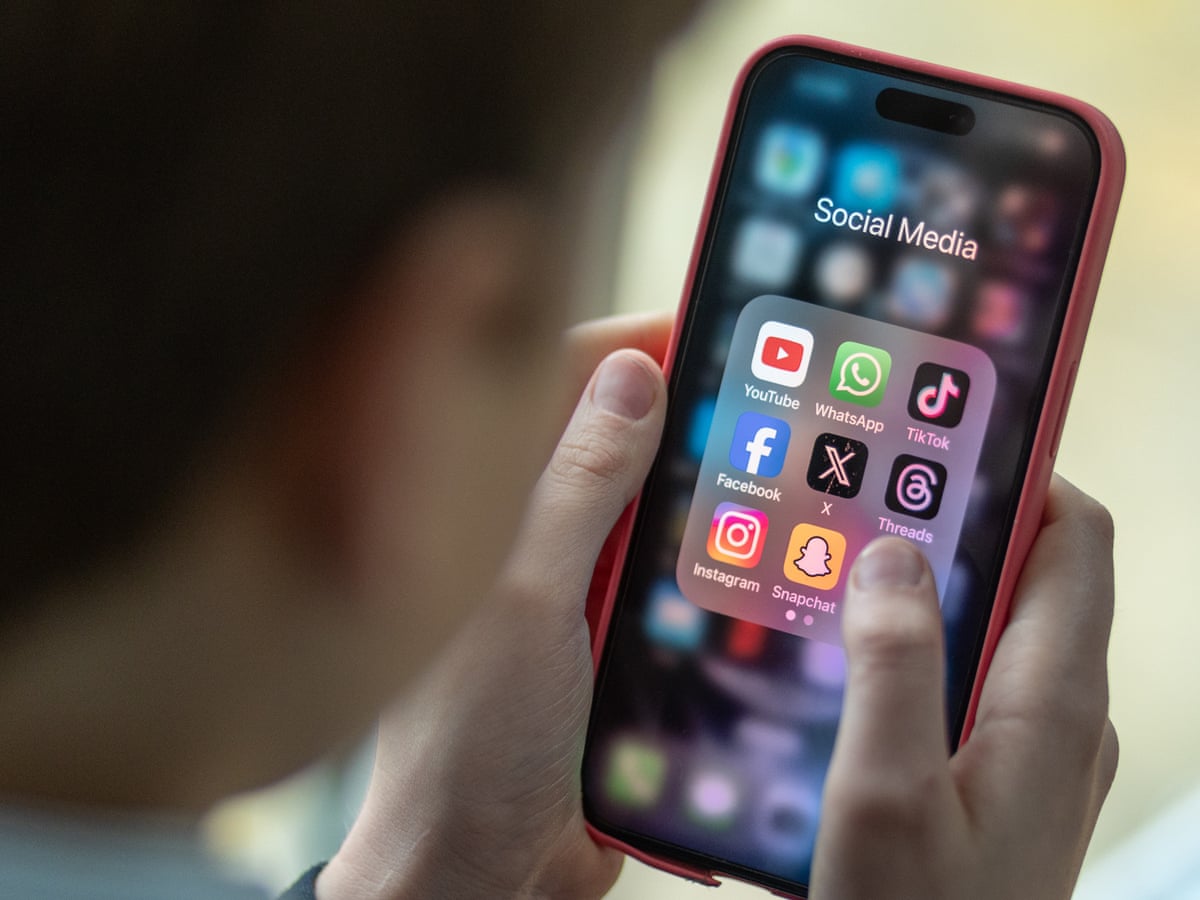
If enacted, the legislation would effectively restrict access to popular online gaming services like Fortnite, Roblox, and League of Legends, as well as video-sharing platforms like YouTube, which hosts a vast array of content, including gaming videos, tutorials, and vlogs.
The proposal has already faced backlash from various sectors. Critics argue that such a blanket ban infringes on personal freedoms and could stifle creativity and social interaction among young people. “Gaming and platforms like YouTube offer valuable opportunities for learning and connection,” remarked Dr. Alex Smith, a child psychologist. “Rather than banning these platforms, we should focus on promoting responsible usage and digital literacy.”
Parents are divided on the issue. Some support the initiative, citing concerns about their children’s screen time and exposure to inappropriate content. Others fear that a ban might push young people toward less monitored alternatives or encourage them to find ways to bypass restrictions.
The government has promised to engage in further consultations with experts, educators, and the community before finalizing the legislation. Discussions are expected to address potential alternatives, such as enhanced parental controls and educational programs aimed at promoting healthier online habits.
As the debate continues, the future of online gaming and video platforms for Australians under 16 remains uncertain. The proposed ban highlights the broader struggle between safeguarding youth and embracing the digital age’s complexities, leaving many to ponder the best path forward in a rapidly evolving landscape.