Artificial intelligence company Midjourney has urged Hollywood studios to be more transparent about how they are using AI technologies in film and television production, intensifying an industry-wide debate over the role of generative AI in entertainment and the need for greater accountability around its deployment.
The call comes at a time when artificial intelligence is rapidly reshaping creative industries around the world. AI tools capable of generating images, video, music, and text have advanced significantly over the past few years, prompting media companies to explore ways to integrate these technologies into various aspects of content production. However, despite increasing experimentation, the details of how major film and television studios are employing AI remain largely undisclosed.

Midjourney, best known for its AI image-generation platform, argues that transparency is essential as artificial intelligence becomes a more influential force in entertainment. The company believes that clearer information about AI adoption in Hollywood would help foster informed discussions among creators, audiences, and technology providers regarding the benefits and risks associated with these emerging tools.
Artificial intelligence has become one of the most contentious subjects in the entertainment industry. Supporters view the technology as a transformative tool capable of accelerating production workflows, lowering costs, and enabling new forms of creative expression. Critics, however, worry that AI could fundamentally alter the economics of filmmaking and threaten jobs across the industry.
Hollywood studios are increasingly exploring AI applications across a wide range of activities. Generative AI can assist in creating concept art, visual references, and storyboards during pre-production. It can also be used in post-production processes such as visual effects planning, editing assistance, and content localization. AI tools are also finding applications in marketing, audience analytics, and recommendation systems.
As the technology becomes more sophisticated, concerns have emerged regarding how extensively AI-generated content may eventually become embedded in movies and television programming. Many writers, actors, animators, and visual artists have expressed unease about the possibility of automation replacing tasks traditionally performed by human professionals.
The issue has become particularly sensitive because of ongoing questions surrounding intellectual property and the training of generative AI systems. Many creators have argued that AI models are built using vast quantities of online content, often without the explicit consent of the original creators. As a result, discussions about transparency have expanded beyond questions of workplace impact and increasingly include debates over copyright, ownership, and ethical standards.
Midjourney’s push for disclosure reflects a growing belief among some technology companies and creative professionals that openness is necessary to build trust around AI adoption. Greater transparency, supporters argue, would help dispel rumors, provide factual information about how AI is being used, and allow industry stakeholders to participate more meaningfully in discussions about the technology’s future.
Advocates of disclosure also contend that audiences have a legitimate interest in understanding how artificial intelligence contributes to the creation of entertainment products. As AI-generated content becomes more difficult to distinguish from human-created work, questions regarding authorship and creative authenticity are becoming increasingly relevant.
At the same time, studios face complex decisions regarding how much information they should reveal. Production techniques and technological capabilities are often considered commercially sensitive information that can provide a competitive advantage. Studios may be reluctant to disclose details about emerging technologies that could influence future business strategies or reveal proprietary production methods.
Nevertheless, the pressure for greater openness is intensifying as AI becomes more deeply integrated into creative workflows. Industry observers note that previous technological transitions in filmmaking, including the shift to digital production and the adoption of computer-generated imagery, also generated concerns and debates. However, generative AI is viewed by many as fundamentally different because it has the potential to participate directly in creative processes that have traditionally depended on human imagination and artistic judgment.
The debate also reflects broader questions about the relationship between technology and creativity. Some industry leaders argue that AI should be viewed primarily as a collaborative tool designed to augment human capabilities rather than replace them. In this perspective, artificial intelligence can automate repetitive tasks, assist with technical processes, and enable creators to focus more on storytelling and artistic decision-making.
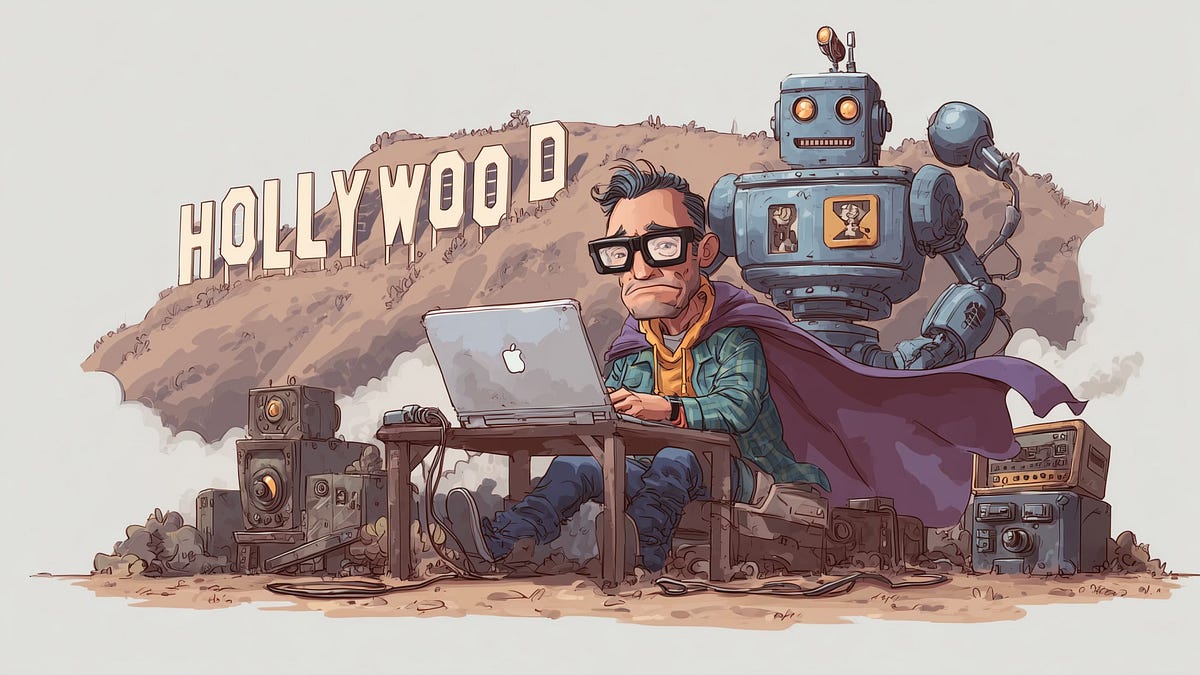
Others remain skeptical and warn that economic pressures could encourage companies to substitute human labor with automated systems wherever possible. These concerns have fueled demands for safeguards, ethical guidelines, and clearer standards governing the use of artificial intelligence in entertainment production.
Midjourney’s call for transparency highlights the growing significance of these issues at a time when Hollywood is navigating one of the most profound technological transitions in its history. The company believes that open discussions about AI adoption are essential to ensuring that innovation proceeds responsibly and that all stakeholders have an opportunity to understand and shape the industry’s future.
Whether Hollywood studios will embrace greater disclosure remains uncertain. However, the debate itself illustrates how artificial intelligence has moved beyond being an experimental technology on the fringes of entertainment. It is increasingly becoming a central component of industry conversations, influencing decisions about creativity, labor, intellectual property, and the future of storytelling.
As artificial intelligence continues to evolve and its capabilities expand, demands for transparency are likely to grow. For Hollywood, the challenge will be balancing the pursuit of technological innovation with the expectations of creators and audiences who want greater clarity about how artificial intelligence is changing the way entertainment is made.