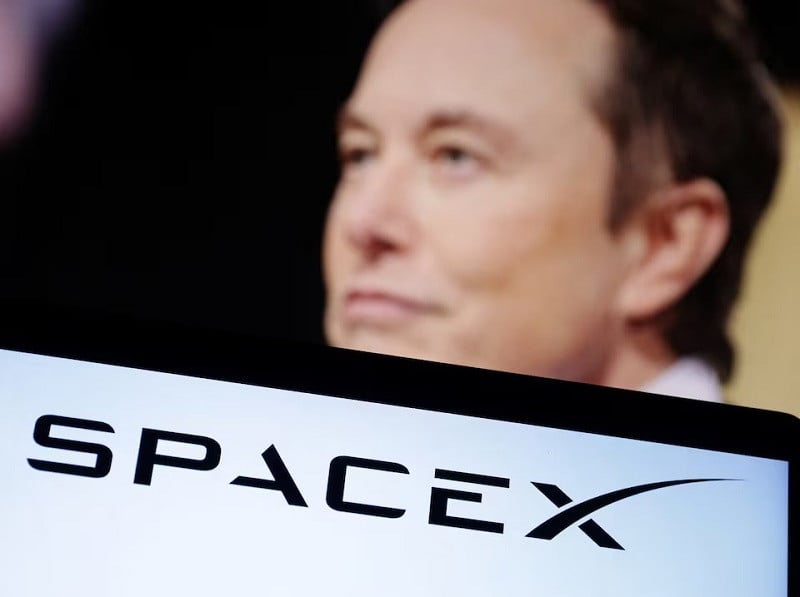
Elon Musk has announced that several thousand current and former SpaceX employees have become millionaires following the company’s long-awaited stock market debut, underscoring the immense value created by the private space company over the past two decades. The listing represents a defining moment for SpaceX, transforming it from one of the world’s most valuable privately held companies into a publicly traded aerospace giant while rewarding employees who have spent years helping build the business.
Speaking after the successful debut, Musk said the wealth generated for employees reflects the company’s commitment to sharing its success with the people responsible for its technological achievements. Thousands of engineers, scientists, technicians, manufacturing specialists, software developers, and operational staff who accumulated company stock over the years have seen the value of their holdings increase significantly, with many crossing the millionaire threshold as the company’s market valuation surged.
Employee equity has long been a central part of SpaceX’s compensation philosophy. Rather than relying solely on salaries and bonuses, the company has offered stock options and equity awards to employees across various levels of the organisation. As a result, many workers who joined the company during its early years, when success was far from guaranteed, are now among the biggest beneficiaries of the public listing.
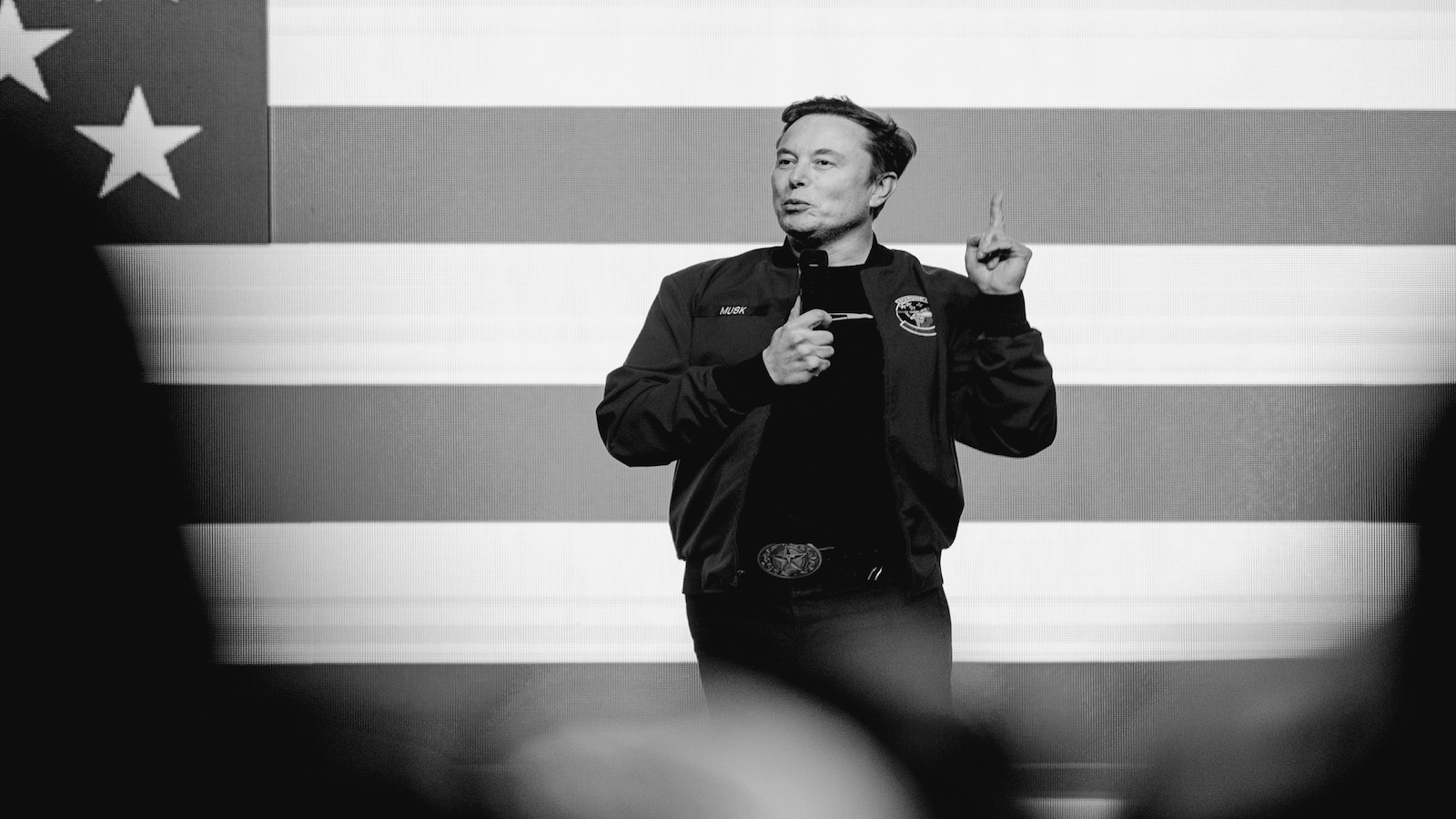
Musk credited the workforce for turning ambitious ideas into reality, noting that the company’s accomplishments were made possible by years of innovation, perseverance, and engineering excellence. He said the financial rewards reflected the collective effort of employees who helped develop reusable rocket systems, expand satellite communications, carry astronauts into orbit, and establish SpaceX as one of the world’s leading commercial space companies.
The public listing marks a significant milestone not only for employees but also for investors who have closely followed SpaceX’s rapid growth. Since its founding, the company has transformed the economics of spaceflight through reusable launch vehicles, significantly reducing launch costs while increasing mission frequency. It has become a dominant provider of commercial satellite launches, government missions, cargo transport to space stations, and crewed spaceflight services.
Beyond celebrating the company’s financial success, Musk used the occasion to reiterate his long-term vision for humanity’s future in space. He outlined an ambitious roadmap that extends far beyond Earth orbit, describing plans to establish a permanent human presence on the Moon within the next decade before ultimately creating a self-sustaining city on Mars.
According to Musk, SpaceX aims to build a functioning lunar base capable of supporting thousands of residents. Unlike earlier Moon missions that focused primarily on exploration and scientific research, the proposed settlement would be designed as a permanent habitat where people could live and work continuously. Such a base would include residential infrastructure, power generation systems, communication networks, transportation facilities, and technologies for producing essential resources such as water, oxygen, and fuel.
Musk believes that the Moon offers the ideal environment for testing the technologies needed for long-duration human settlements beyond Earth. Lessons learned from constructing and operating a lunar base could help reduce the technical and operational challenges associated with future missions to Mars. The Moon’s proximity to Earth would also make it easier to transport supplies, conduct repairs, and respond to emergencies compared with more distant destinations.
While the lunar settlement represents an important intermediate goal, Musk emphasised that Mars remains the company’s ultimate destination. He has consistently argued that establishing a permanent city on the Red Planet is essential for ensuring humanity’s long-term survival. According to his vision, a self-sustaining Martian civilisation would reduce the risks posed by global catastrophes on Earth while opening a new chapter in human exploration and technological advancement.
Building a city on Mars would require breakthroughs across multiple disciplines, including propulsion systems, life-support technologies, habitat construction, agriculture, energy production, and resource utilisation. SpaceX’s next-generation spacecraft programme is central to these ambitions, with the company developing fully reusable launch systems capable of transporting large numbers of people and substantial cargo beyond Earth’s orbit.
The financial resources generated through the public listing are expected to strengthen SpaceX’s ability to pursue these costly and technically demanding projects. Access to public capital markets provides additional flexibility for funding research, expanding manufacturing facilities, developing advanced spacecraft, and supporting long-term infrastructure investments required for lunar and Martian missions.
Industry analysts believe the listing also reflects growing investor confidence in the commercial space sector. Once viewed primarily as a government-led field, space exploration has increasingly become a commercial industry driven by private companies developing launch services, satellite networks, space communications, and deep-space transportation systems. SpaceX has been at the forefront of this transformation, demonstrating that reusable rockets and commercial innovation can significantly lower the cost of accessing space.
The wealth created for employees has also highlighted the growing importance of equity ownership in technology and aerospace companies. Stock-based compensation has become a powerful tool for attracting highly skilled engineers and scientists, particularly in industries where innovation requires years of sustained investment before generating substantial financial returns. For many SpaceX employees, the stock market debut represents the culmination of years of work on challenging projects involving repeated testing, technical setbacks, and continuous product development.
Musk noted that rewarding employees through equity aligns their interests with the company’s long-term success, encouraging innovation and commitment rather than short-term performance. He suggested that the financial success enjoyed by thousands of employees demonstrates the value of giving workers a meaningful stake in the organisations they help build.
Despite celebrating the milestone, significant challenges remain for SpaceX. The company’s long-term objectives require enormous capital investments, continued technological breakthroughs, regulatory approvals, and successful execution of increasingly complex missions. Developing permanent settlements beyond Earth presents engineering, scientific, financial, and logistical challenges unlike any previously attempted by the private sector.

Nevertheless, SpaceX has repeatedly demonstrated its ability to achieve milestones that were once considered unrealistic. From pioneering reusable orbital rockets to conducting regular astronaut missions and deploying one of the world’s largest satellite constellations, the company has consistently expanded the boundaries of commercial spaceflight.
The successful stock market debut represents both a reward for past achievements and a foundation for future ambitions. While thousands of employees have already benefited financially from the company’s growth, Musk made it clear that he views the listing not as an endpoint but as another step toward achieving SpaceX’s larger mission of enabling humanity to become a multi-planetary civilisation.
As the company enters its next chapter as a publicly traded enterprise, investors, governments, and the global aerospace industry will closely watch whether SpaceX can convert its bold vision into reality. If Musk’s plans succeed, the wealth created through the company’s market debut may ultimately be remembered not only for producing thousands of employee millionaires but also for helping finance one of humanity’s most ambitious journeys beyond Earth.