


In a surprising move, GEICO has announced it will no longer provide insurance coverage for Tesla’s highly anticipated Cybertruck, stating that the vehicle “doesn’t meet our underwriting guidelines.” The decision has raised eyebrows in the automotive and insurance industries, as Tesla’s electric truck has garnered significant attention since its unveiling.
In a statement released late Friday, GEICO explained that the Cybertruck’s unique design and technology presented challenges that fell outside the parameters of its current underwriting practices. “As we continually assess our risk factors and coverage options, we must prioritize vehicles that align with our established guidelines,” the company said.
The Cybertruck, known for its unconventional aesthetics and advanced features, has been marketed as a robust alternative to traditional pickup trucks. However, GEICO’s announcement highlights potential concerns related to the vehicle’s safety ratings, repair costs, and the availability of parts—factors that could complicate the underwriting process for insurers.
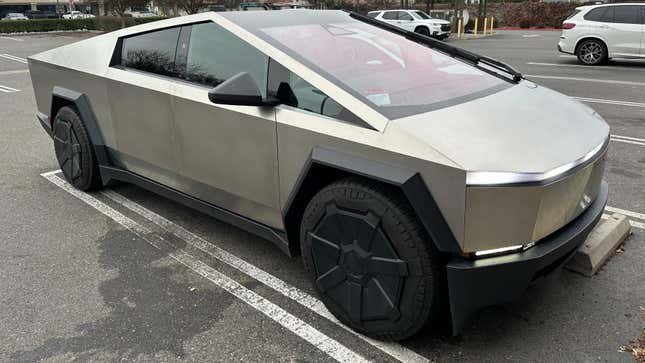
This decision comes as Tesla prepares to ramp up production of the Cybertruck, which has already received a wave of pre-orders. Many potential owners are now left seeking alternative insurance options as they anticipate the vehicle’s delivery.
Industry experts are speculating about the broader implications of GEICO’s move. “This could be indicative of a larger trend where insurers are reevaluating their coverage criteria for electric vehicles,” said auto insurance analyst Mark Dwyer. “As new technologies emerge, insurers may need to adapt quickly to manage their risk exposure.”
Tesla, which has prided itself on its innovative approach, did not immediately respond to requests for comment regarding GEICO’s decision. However, the company has historically emphasized safety features and advancements in technology, suggesting that it may work to address the concerns raised by insurers.
The termination of coverage by one of the nation’s largest auto insurers could lead to higher premiums and limited options for Cybertruck owners. Insurance industry insiders are already predicting that other companies may follow suit, especially if they perceive similar risks associated with the vehicle.
For consumers, this situation raises questions about the long-term viability of insuring cutting-edge electric vehicles. As automakers continue to innovate, the insurance landscape may need to evolve in tandem to accommodate the unique characteristics of these vehicles.
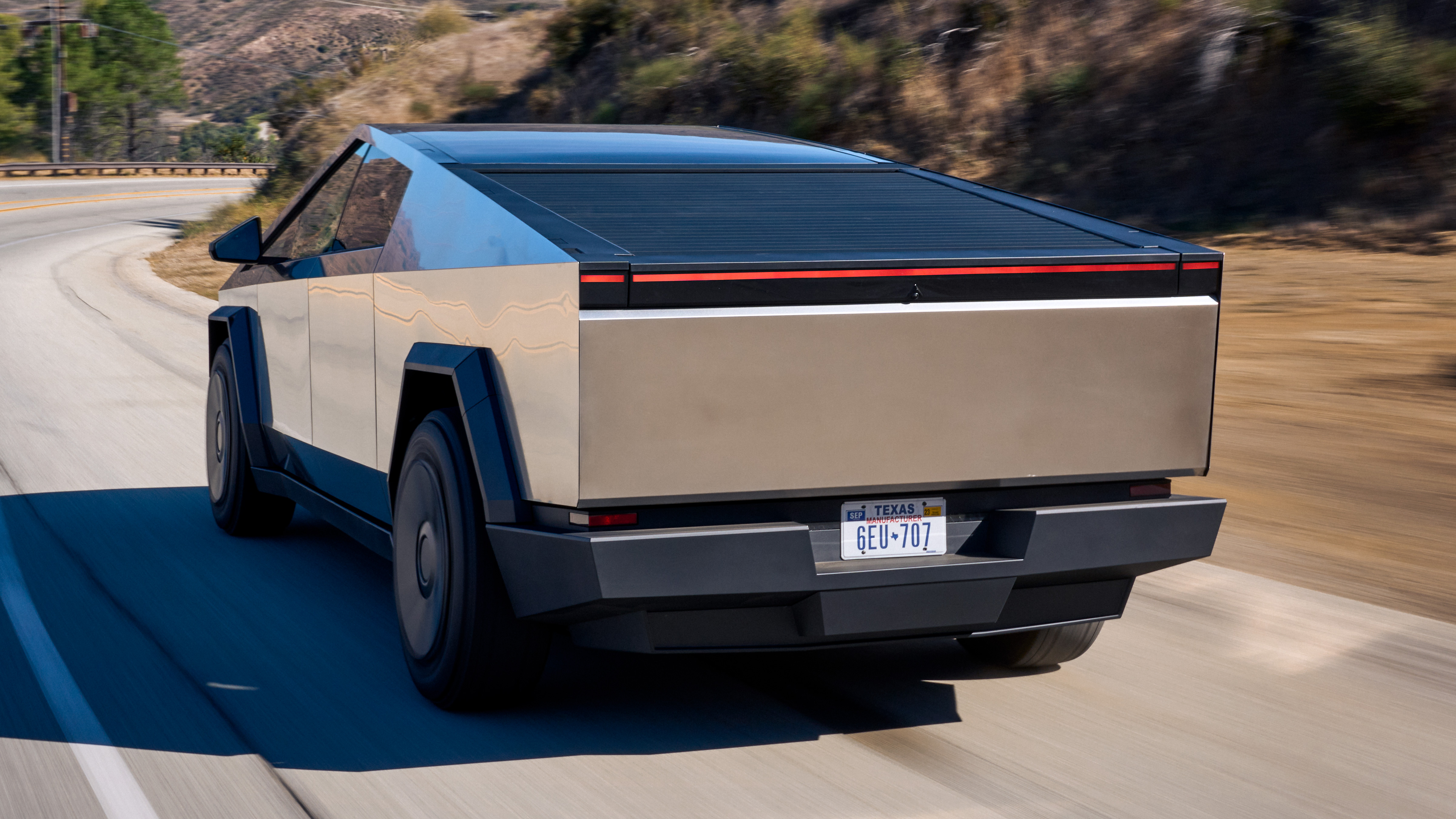
As the Cybertruck hits the market, prospective owners are encouraged to explore various insurance providers to find coverage that suits their needs. The unfolding scenario also highlights the need for ongoing dialogue between automakers and insurance companies to navigate the challenges posed by emerging technologies.
As this story develops, stakeholders across the automotive and insurance sectors will be watching closely to see how the market responds to GEICO’s bold decision.









