Elon Musk’s SpaceX, known for its pioneering work in space exploration, is now making headlines for a different reason. The United States Labor Board has recently ruled that the company illegally fired an employee who challenged the return to office work amid the ongoing debate over remote work arrangements in the post-pandemic world.
The case involves the firing of John Adams, a former engineer at SpaceX, who had been vocal about his concerns regarding the company’s policy to return to in-office work. Adams, who had been with the company for over five years, argued that he could perform his duties effectively from home and that forcing him to return to the office was not only unnecessary but also posed potential health risks in the midst of the ongoing global health crisis.

The US Labor Board conducted an investigation into Adams’ dismissal and found that SpaceX had violated labor laws. The board’s decision has rekindled the ongoing debate about the future of remote work in the tech industry and the rights of employees to voice concerns about workplace safety and policies.
Musk’s SpaceX has been a prominent player in the tech industry, known for its ambitious projects like the Starship and the Starlink satellite constellation. The company, like many others, had implemented remote work policies during the height of the COVID-19 pandemic, allowing employees to work from home. However, as pandemic restrictions have eased, companies have been navigating the complex landscape of office return policies.
The US Labor Board’s decision has sent a strong message about the rights of employees to express concerns about workplace safety, as well as the importance of adhering to labor laws during these challenging times. In a statement, the board said, “It is vital for employees to have a voice and express concerns about their working conditions. The decision to terminate an employee who raised legitimate concerns goes against the principles of labor rights and fair workplace practices.”
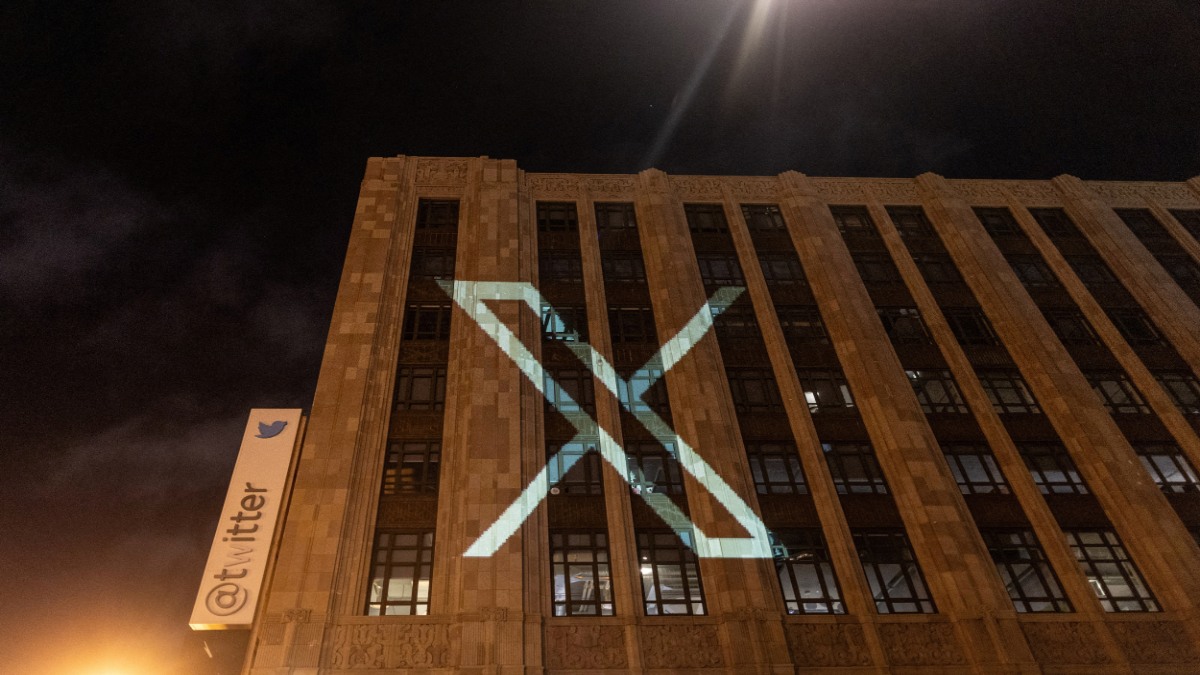
Elon Musk, who is no stranger to the limelight, is yet to comment on the decision, but it is expected that SpaceX may appeal the ruling. Musk has previously been vocal about his views on remote work, having previously expressed that he believes in-person collaboration fosters innovation.
The case of John Adams underscores the growing tension between companies seeking to return to pre-pandemic work norms and employees who have grown accustomed to remote work flexibility. As the tech industry grapples with the future of work, this case may serve as a significant precedent for how employers handle similar challenges in the years to come.
The story of John Adams and his legal victory against SpaceX shines a spotlight on the changing landscape of work in a post-pandemic world, where the rights of employees to voice concerns and seek remote work options are increasingly being recognized as essential components of a fair and progressive workplace.