Starbucks is approaching a critical phase in the partial sale of its China operations, inviting several high-profile investment firms to submit final bids. This move marks a significant development in the company’s strategic realignment in one of its most important but increasingly competitive markets.
The shortlisted bidders include major global private equity players such as Carlyle Group, EQT, HongShan, Boyu Capital, and Primavera Capital. These firms have reportedly advanced to the final round of bidding and are expected to submit binding offers by early October. The sale process, which has been underway for several months, is seen as a key step for Starbucks to unlock value from its China business while maintaining a long-term presence in the region.
A Strategic Shift in China
Starbucks’ decision to seek outside investment in its China unit comes amid a rapidly changing consumer landscape and intensifying competition from domestic coffee chains. While the company has long held a dominant position in China’s premium coffee segment, it has recently faced growing pressure from local rivals offering cheaper alternatives, faster expansion, and more localized offerings.
Over the past few years, Starbucks has seen its market share in China decline, even as it continues to open new stores. To adapt, the company has adjusted its pricing strategy, introduced more local products, and sought to deepen its engagement with Chinese consumers. However, these changes have not fully offset the rise of homegrown competitors.
By inviting strategic investors into its China operations, Starbucks aims to inject fresh capital, bring in local expertise, and create new growth momentum in a critical market. Importantly, the company does not plan to exit China entirely. Instead, it intends to retain a meaningful stake and continue to play an active role in the management and direction of its operations in the country.
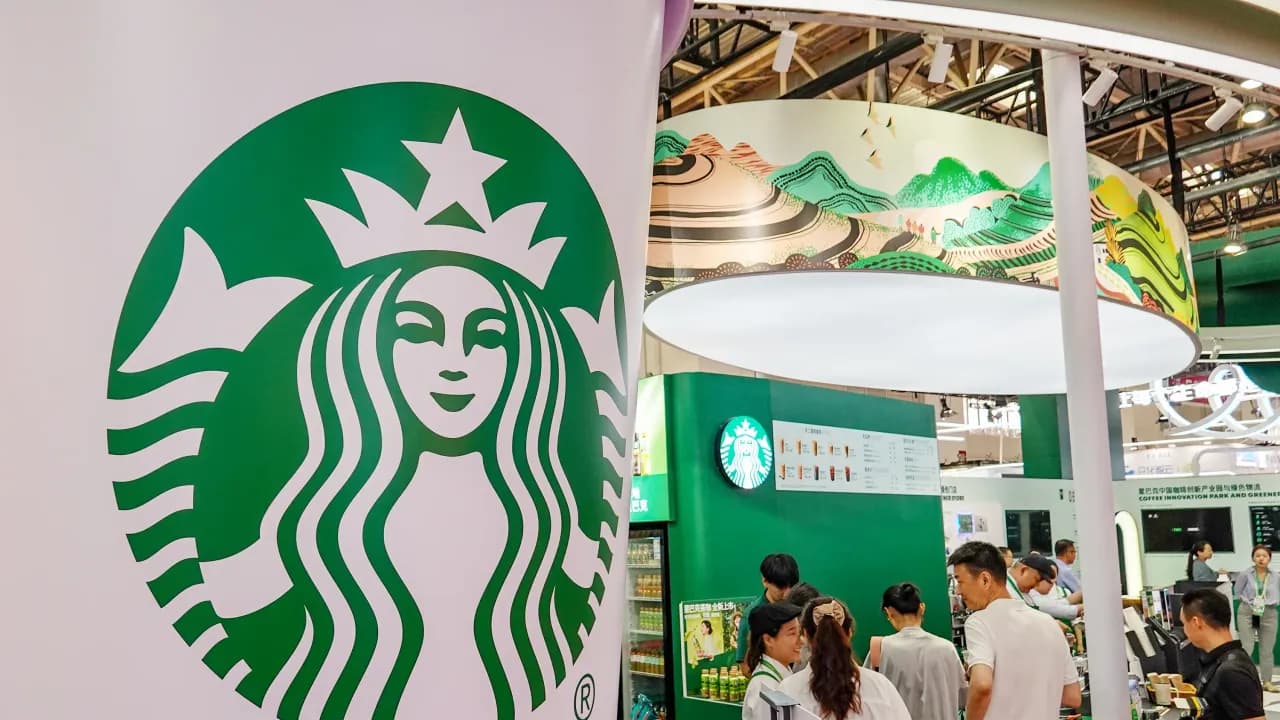
Deal Size and Structure
Although the precise terms of the deal remain confidential, the sale is expected to value Starbucks’ China business at around $5 billion. Previous reports had suggested higher valuations in earlier, non-binding rounds, but current estimates reflect more conservative investor expectations given the challenging market environment.
Starbucks is expected to sell a significant stake in its China unit, though not a majority share. This allows the company to benefit from both a capital infusion and the operational support of its new partners, while still maintaining influence over its brand and standards.
One area where Starbucks is expected to retain full control is its coffee roasting facilities in China. These operations are viewed as critical to maintaining quality assurance and supply chain stability across its store network. Keeping these assets in-house also reflects Starbucks’ continued commitment to ensuring product consistency across all markets.
Bidders and Their Interests
The investor shortlist reflects a mix of global and regional private equity firms, each bringing different strategic advantages. Carlyle and EQT are experienced global investors with deep operational capabilities and strong track records in consumer businesses. HongShan (formerly Sequoia China) and Boyu Capital are prominent regional firms with strong networks and a deep understanding of the Chinese market. Primavera Capital, which may bid in partnership with another firm, has previously invested in high-profile consumer brands in China.
These firms are likely attracted by Starbucks’ strong brand equity, premium positioning, and the potential for long-term growth in China’s coffee market. Despite current challenges, coffee consumption per capita in China remains low compared to Western markets, suggesting room for further expansion. Additionally, Starbucks’ extensive store footprint and digital ecosystem give it a solid foundation for future innovation and customer engagement.
The final phase of bidding is expected to be highly competitive, with each firm likely to present not just financial offers but also strategic proposals for how they would help Starbucks grow in China. The winning bid will likely be one that offers both attractive valuation terms and a clear vision for future collaboration.
Challenges Ahead
While the sale represents a bold strategic move, it is not without risks. Any transfer of ownership — even partial — could raise questions about brand control, consistency, and the long-term direction of the company’s China operations. Starbucks will need to carefully balance its desire for local support with the need to protect its global brand identity.
Moreover, the Chinese market remains highly dynamic. Consumer preferences are shifting rapidly, and success increasingly depends on hyper-localized strategies, digital integration, and price competitiveness. For Starbucks and its new partners, the road ahead will require agility, investment, and a deep understanding of local consumer behavior.
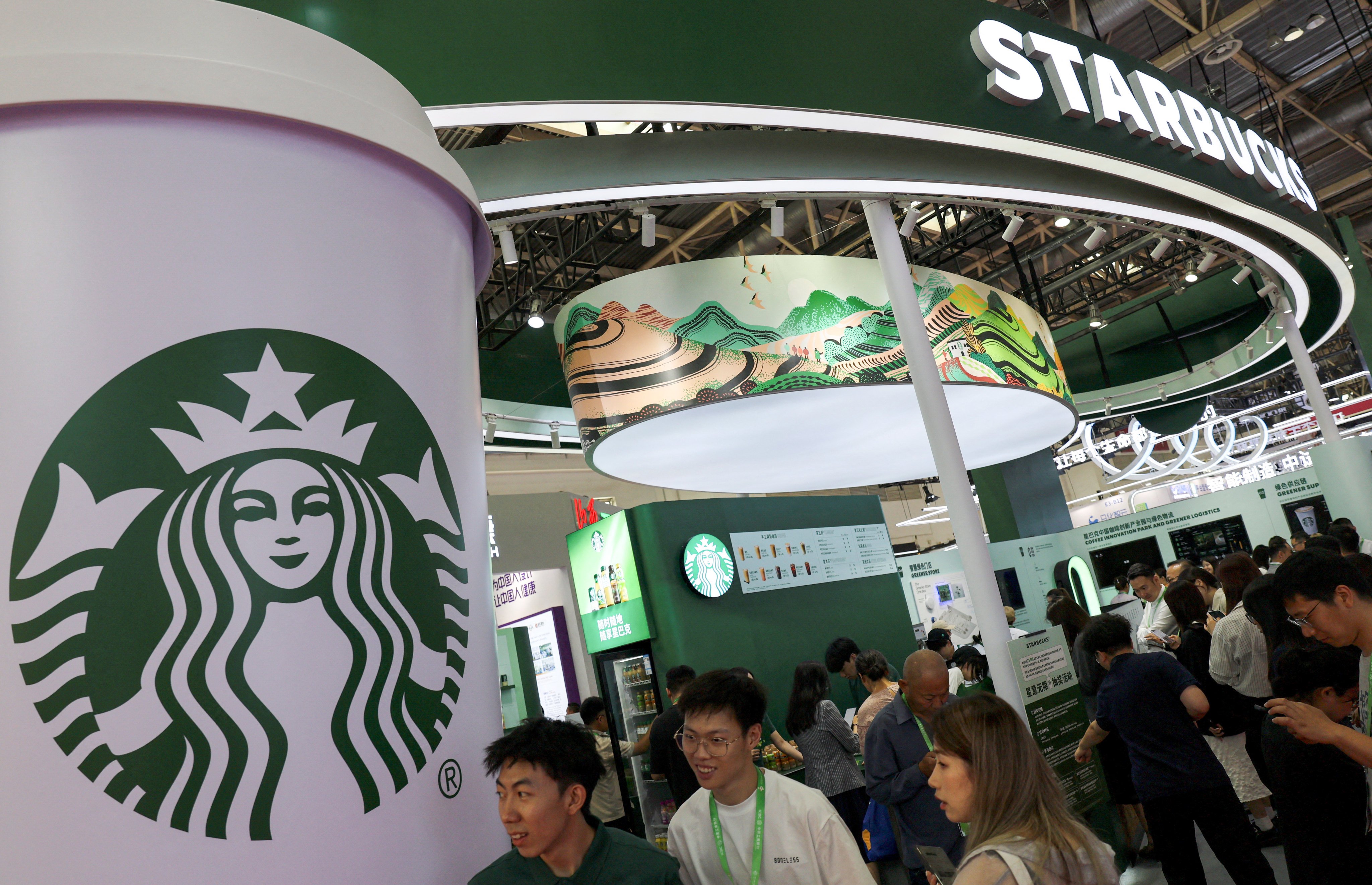
There are also broader geopolitical considerations. As a high-profile American brand operating in China, Starbucks must navigate complex trade dynamics and regulatory frameworks. Involving local investors could help ease some of these challenges, providing Starbucks with valuable connections and insights into China’s policy environment.
A Defining Moment
The outcome of the China unit sale will be closely watched by investors, analysts, and the global food and beverage industry. It represents not only a major financial transaction but also a potential blueprint for how international brands can evolve their business models in response to changing market conditions.
For Starbucks, the deal offers an opportunity to reassert its leadership in China’s competitive coffee sector while sharing the risks and rewards with strategic partners. For the winning bidders, it’s a rare chance to invest in one of the world’s most iconic consumer brands at a critical point in its evolution.
As final bids are prepared and negotiations enter the home stretch, the next few weeks will be crucial in shaping the future of Starbucks in China — a market that remains central to the company’s global ambitions.