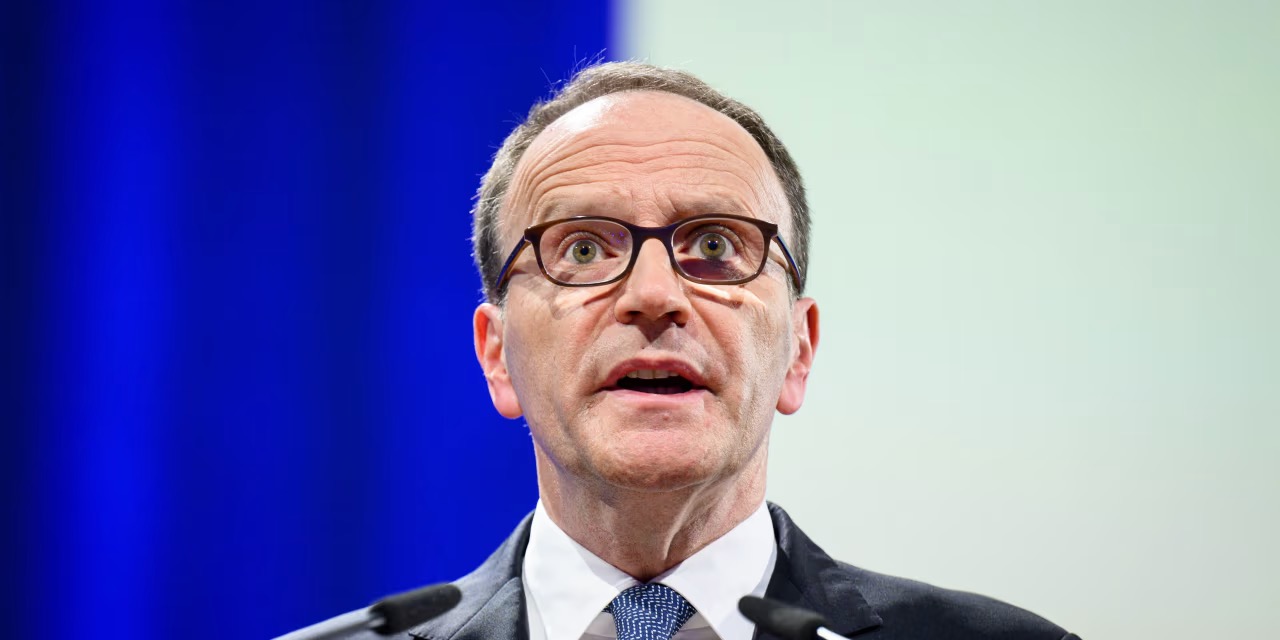
Nestlé, the world’s largest food and beverage company, is facing renewed pressure from shareholders to initiate leadership changes at the top of its board. A growing number of investors are now calling for Chairman Paul Bulcke to step down ahead of schedule, following the sudden departure of two chief executives in just over a year.
The investor revolt comes at a delicate moment for the Swiss multinational, which has been grappling with stagnant growth, declining sales volumes, and intensifying scrutiny over its governance practices. The abrupt exit of Nestlé’s latest CEO, Laurent Freixe, who was recently dismissed over personal conduct issues, has reignited long-standing concerns about leadership oversight and accountability at the board level.
A Crisis of Leadership
Freixe’s departure, reportedly the result of a failure to disclose a personal relationship with a subordinate, marks the second leadership crisis in under 18 months for Nestlé. His predecessor, Mark Schneider, was removed from his post amid boardroom tensions and dissatisfaction with the company’s performance trajectory.
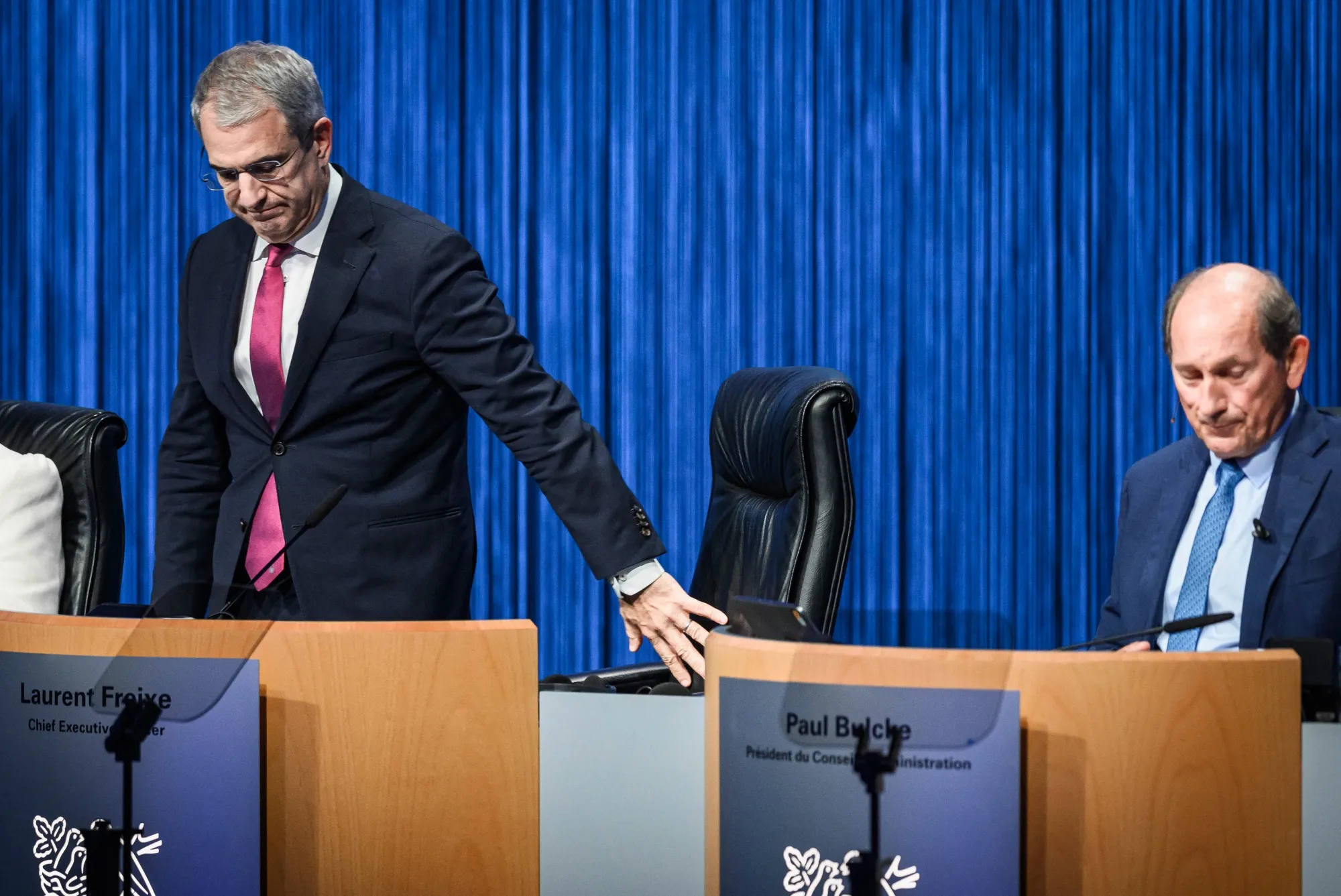
For many shareholders, the back-to-back exits have raised fundamental questions about the quality of board oversight, particularly from the chairman. Investors argue that Bulcke, who served as Nestlé CEO from 2008 to 2016 before becoming chairman, has exercised too much influence over management appointments and has failed to ensure stable, effective leadership.
The dual CEO departures have created a sense of instability that many believe has already affected the company’s long-term strategy and investor confidence. While Nestlé has attempted to portray each exit as isolated and unrelated, shareholders increasingly view the events as symptoms of broader governance dysfunction.
Investor Backlash Builds
The call for Bulcke’s early resignation is gaining momentum among both institutional and private investors, some of whom have publicly voiced their dissatisfaction with the board’s actions — or inaction. Their message is clear: for Nestlé to reset its course and restore trust, it must start with a change in leadership at the very top.
Although Bulcke has already announced plans to step down in April 2026, many investors believe that waiting another seven months is too long. They argue that the company needs a fresh start immediately — not just a change of leadership, but a shift in board culture, transparency, and succession planning.
One of the central criticisms being leveled against Bulcke is the way the board handled the recent investigations into executive behavior. In both cases, insiders suggest that early warnings may have been ignored, and that the process lacked transparency. While Freixe’s dismissal was swift and without severance, shareholders say that the root problem lies in poor oversight long before the issue came to light.
The sentiment among many shareholders is that if the board had acted with stronger governance earlier, the company might have avoided the reputational damage now unfolding.
Declining Support and Boardroom Tensions
Support for Bulcke has been waning. At Nestlé’s most recent annual general meeting, his re-election as chairman was met with the lowest approval vote he has received since assuming the role. While still technically a majority, the reduced margin reflects a significant drop in confidence from previous years.
Compounding the issue is an apparent lack of succession clarity. While Pablo Isla, Nestlé’s lead independent director and former head of a global fashion group, is widely seen as the likely successor, some investors have expressed concern about the lack of a formal transition plan. They argue that the board must act with urgency and clarity to stabilize the company’s leadership and send a strong message to the market.
Internally, the situation has also led to friction. Morale among senior management has been shaken by the leadership turnover, and employees are said to be uncertain about the direction of the company. Nestlé’s reputation as a stable and disciplined global enterprise has taken a hit, both internally and externally.
Governance and Strategy at a Crossroads
The leadership crisis comes at a time when Nestlé is already under pressure to adapt to a rapidly changing food industry. Global consumer preferences are shifting toward healthier, more sustainable, and locally sourced products. Nestlé, once a leader in product innovation and brand strength, has been accused in recent years of falling behind more agile competitors.
The company’s financial performance has reflected these challenges. Sales growth has slowed, especially in key markets, and price hikes have failed to fully offset the drop in product volumes. As consumer demand becomes increasingly fragmented and competitive pressures rise, strong, stable leadership is seen as essential to executing any turnaround plan.
Shareholders are now urging the board to take the current crisis as an opportunity to implement more comprehensive governance reforms. Suggestions include the appointment of more independent directors, clearer succession policies, stronger oversight mechanisms, and a cultural shift away from the insular, top-down approach that many say has characterized Bulcke’s tenure.
What’s Next for Nestlé?
As pressure mounts, Nestlé’s board faces a difficult choice: stay the course and risk further erosion of investor confidence, or act decisively and begin the process of board renewal now.
With the next shareholder meeting not scheduled until spring, some investors are urging the board to call an extraordinary general meeting or announce a leadership transition plan ahead of time. Whether Bulcke is willing to step aside early remains unclear, but the longer the board waits, the more intense the scrutiny is likely to become.
For a company of Nestlé’s scale and heritage, the stakes are high. What began as a personnel issue has quickly escalated into a test of corporate governance and board accountability. Investors, employees, and markets alike are now watching closely to see whether Nestlé’s leadership will respond with the urgency and transparency that the moment demands.