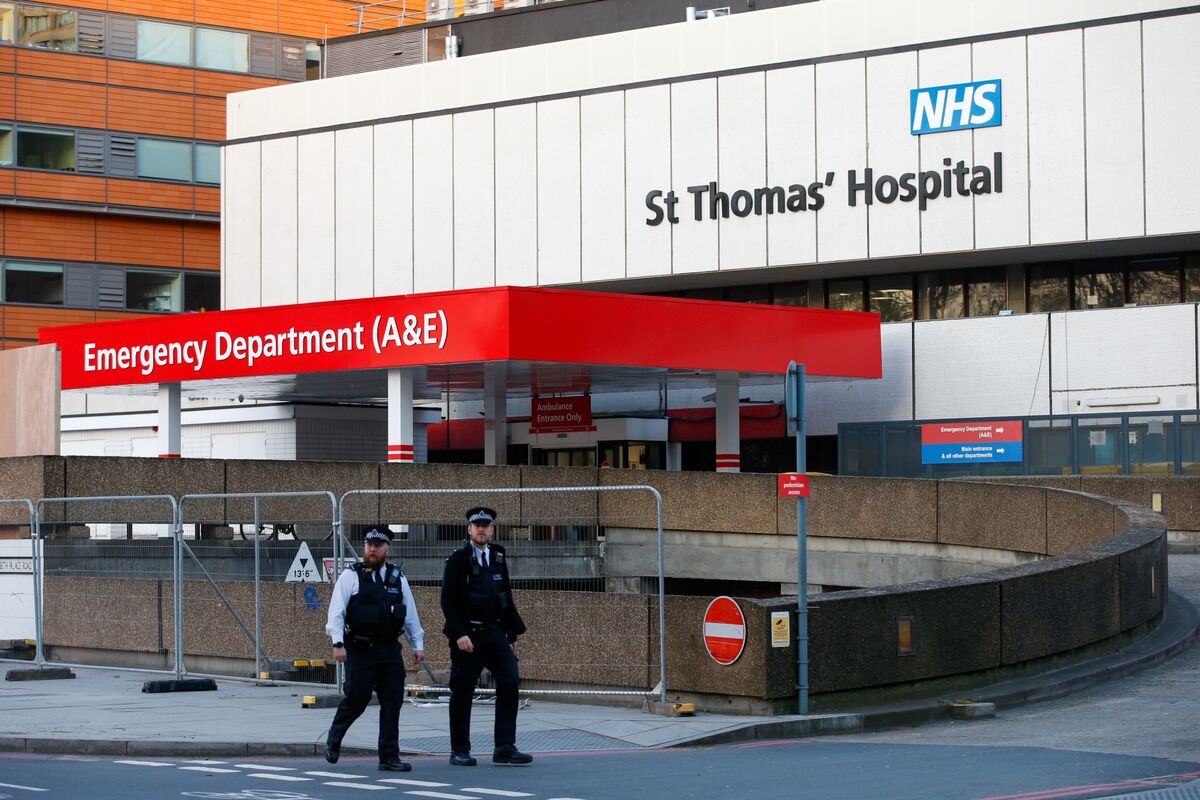
London hospitals have been forced to cancel over 800 operations following a significant ransomware attack that has crippled their IT systems. The cyber assault, which began in the early hours of Monday, has severely disrupted medical services across the city, leaving patients and healthcare providers in a state of turmoil.
The National Health Service (NHS) reported that the attack targeted critical IT infrastructure, encrypting patient records and blocking access to vital information. Despite efforts to contain the breach, the ransomware has rendered many digital systems inoperable, necessitating the postponement of non-urgent surgical procedures and outpatient appointments.
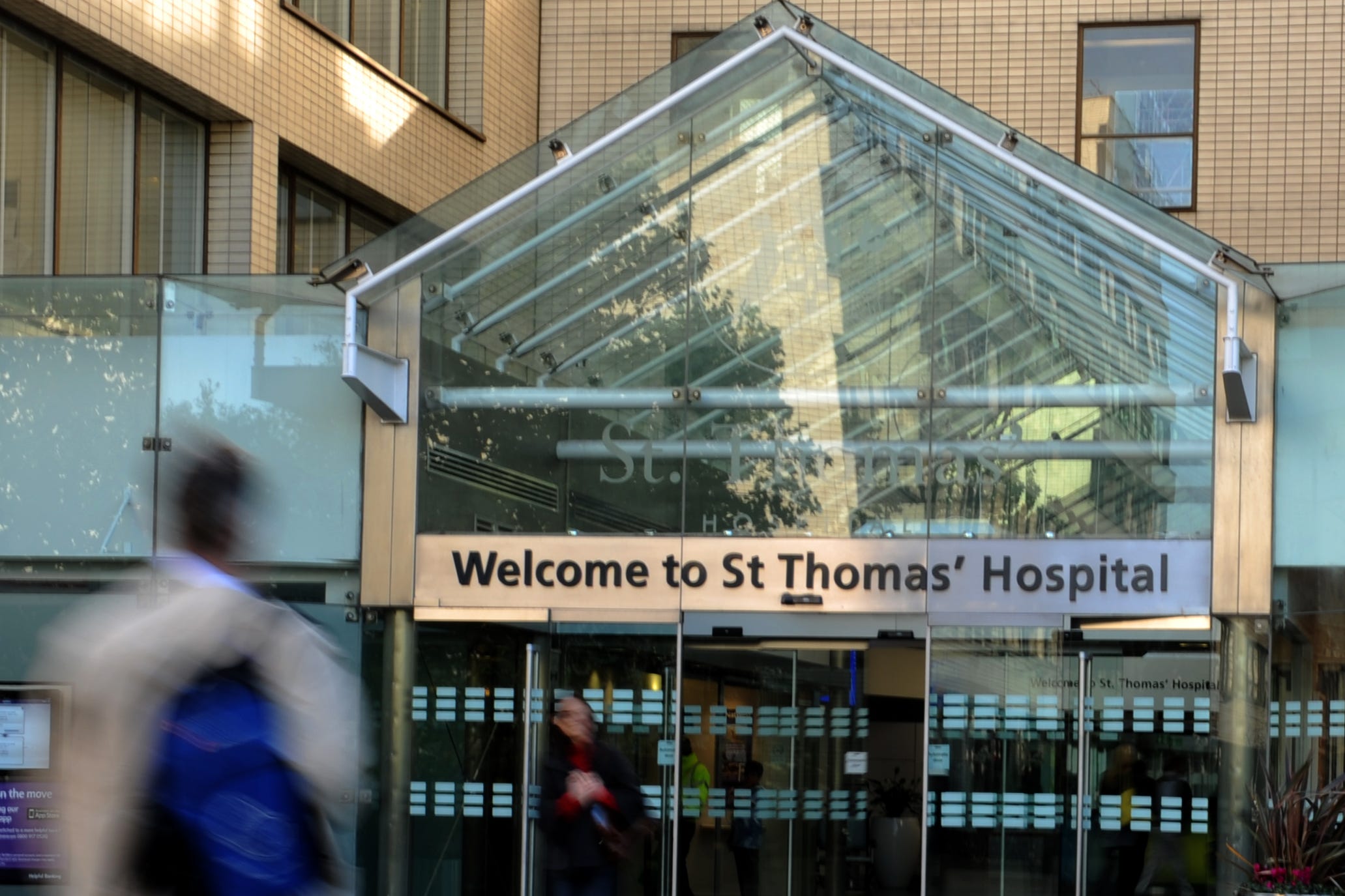
Hospitals affected by the attack include some of London’s largest and most prominent medical facilities, such as St Thomas’ Hospital, Guy’s Hospital, and the Royal London Hospital. Emergency services continue to operate, but the strain on resources is palpable, with staff reverting to manual record-keeping and communication methods.

NHS Digital, the health service’s IT arm, is collaborating with cybersecurity experts and law enforcement agencies to investigate the origin of the attack and to restore system functionality. In a statement, NHS Digital’s CEO, Sarah Wilkinson, expressed deep concern over the impact on patient care and emphasized the importance of robust cybersecurity measures.
“We are doing everything within our power to mitigate the effects of this attack and to restore our systems as swiftly as possible,” Wilkinson said. “Our priority is to ensure patient safety and continuity of care. We apologize to all those affected and are working tirelessly to resolve this issue.”
Patients have been advised to attend their scheduled appointments unless they have been directly contacted by their hospital with alternative arrangements. However, many have expressed frustration and anxiety over the uncertainty and delays.
James Foster, a 62-year-old patient awaiting hip replacement surgery at St Thomas’ Hospital, shared his concerns: “I’ve been in pain for months, and now I’m told I have to wait even longer. It’s incredibly frustrating, and I just hope they can fix this quickly.”
This incident underscores the growing threat of cyberattacks on healthcare institutions, which have become increasingly frequent and sophisticated. In 2017, the NHS was similarly affected by the WannaCry ransomware attack, which disrupted services across the UK. Despite improvements in cybersecurity protocols since then, the current breach highlights ongoing vulnerabilities.
Experts warn that such attacks not only jeopardize patient care but also pose significant financial and operational challenges. Dr. Emma Jones, a cybersecurity analyst at the University of London, commented on the broader implications: “Healthcare systems are particularly attractive targets for cybercriminals due to the critical nature of their operations and the valuable data they hold. This incident serves as a stark reminder of the need for continuous investment in cybersecurity infrastructure and education.”
As investigations continue and recovery efforts are underway, the NHS is urging anyone who suspects their personal information may have been compromised to remain vigilant and report any suspicious activity.
The road to full recovery is expected to be arduous, but NHS officials remain hopeful that systems will be restored in the coming days, allowing hospitals to resume normal operations and address the backlog of postponed procedures.
For now, London’s healthcare community is bracing for a challenging period ahead, committed to overcoming this crisis with resilience and dedication.