
In a rapidly evolving technological landscape, nearly half of U.S. companies integrating artificial intelligence (AI) into their operations are doing so with the primary goal of reducing staffing costs, according to a recent survey. This trend reflects the growing emphasis on efficiency and cost-effectiveness in an increasingly competitive business environment.
The survey, conducted by the National Bureau of Economic Research (NBER), reveals that 47% of firms utilizing AI see it as a strategic tool to minimize their labor expenses. This shift is indicative of the broader economic pressures and the ongoing quest for automation solutions that can streamline operations and reduce dependency on human labor.
The Drive Towards Automation
The adoption of AI technologies is not a new phenomenon, but the pace at which companies are embracing automation has accelerated significantly. Businesses are leveraging AI to perform a variety of tasks that were traditionally managed by human employees, including data analysis, customer service, and even complex decision-making processes.

“AI is transforming the way we operate,” said Michael Reynolds, CEO of Tech Innovations Inc. “By automating routine tasks, we’re not only cutting costs but also freeing up our workforce to focus on more strategic and creative endeavors.”
While the use of AI to reduce staffing costs can lead to significant savings for companies, it also raises concerns about the potential impact on employment rates. Critics argue that as more tasks become automated, the demand for certain types of jobs may decline, leading to increased unemployment and economic disparity.
However, proponents of AI technology highlight the potential for job creation in other areas, such as AI development, maintenance, and oversight. “We need to consider the full picture,” said Dr. Sarah Johnson, an economist at NBER. “While some jobs may be lost to automation, new opportunities are emerging that require a different set of skills.”
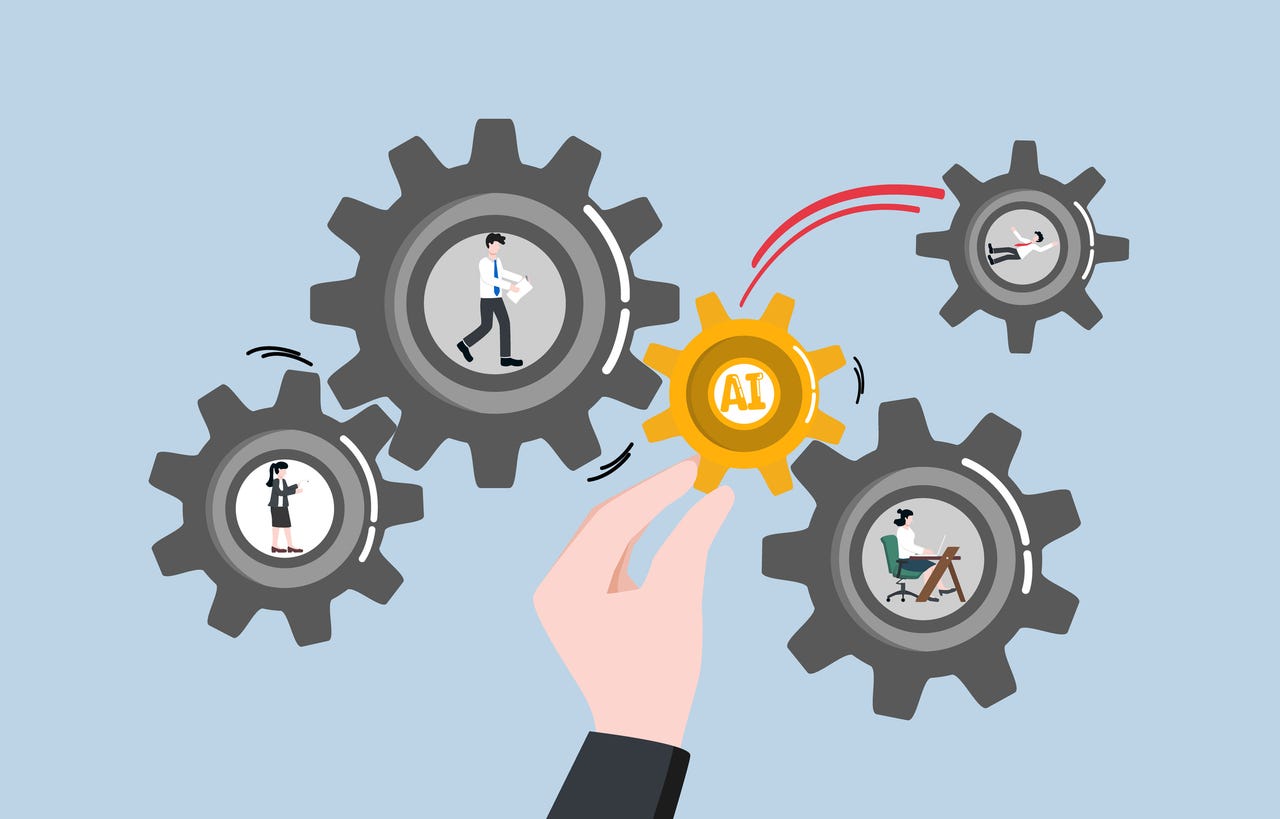
Companies are finding themselves at a crossroads, needing to balance the benefits of AI-driven cost reduction with the ethical and social responsibilities they bear towards their employees. Many firms are investing in retraining programs to help workers transition to new roles within the organization.
“We’re committed to supporting our employees through this transition,” said Karen Thompson, Head of Human Resources at Global Solutions Corp. “Our goal is to leverage AI to improve efficiency while also investing in our workforce to ensure they have the skills needed for the future.”
The Future of Work
As AI technology continues to evolve, its role in the workplace is likely to expand. Experts predict that AI will become an integral part of business operations, driving innovation and productivity. However, the challenge lies in ensuring that this technological advancement translates into positive outcomes for both businesses and their employees.
The survey’s findings underscore the need for a thoughtful approach to AI adoption, one that considers not just the financial benefits but also the broader societal impacts. As companies navigate this new terrain, the focus will be on creating a sustainable and inclusive future of work.