
In a surprising announcement, Google has stated that it will no longer claim to be carbon neutral. This move marks a significant shift in the tech giant’s sustainability narrative and raises questions about the future of its environmental commitments.
For over a decade, Google has been at the forefront of corporate sustainability efforts, proudly declaring itself carbon neutral since 2007. This achievement was primarily due to their purchase of carbon offsets and investments in renewable energy projects. However, the company’s latest announcement reveals a change in their strategy and approach towards tackling climate change.
According to Google’s Chief Sustainability Officer, Kate Brandt, the decision to stop claiming carbon neutrality stems from a desire to adopt a more transparent and impactful approach to sustainability. “While carbon neutrality has been a valuable goal, it often masks the complexities and challenges of truly addressing our environmental impact,” Brandt stated. “We want to focus on meaningful actions and transparency rather than relying on offsets to balance our emissions.”

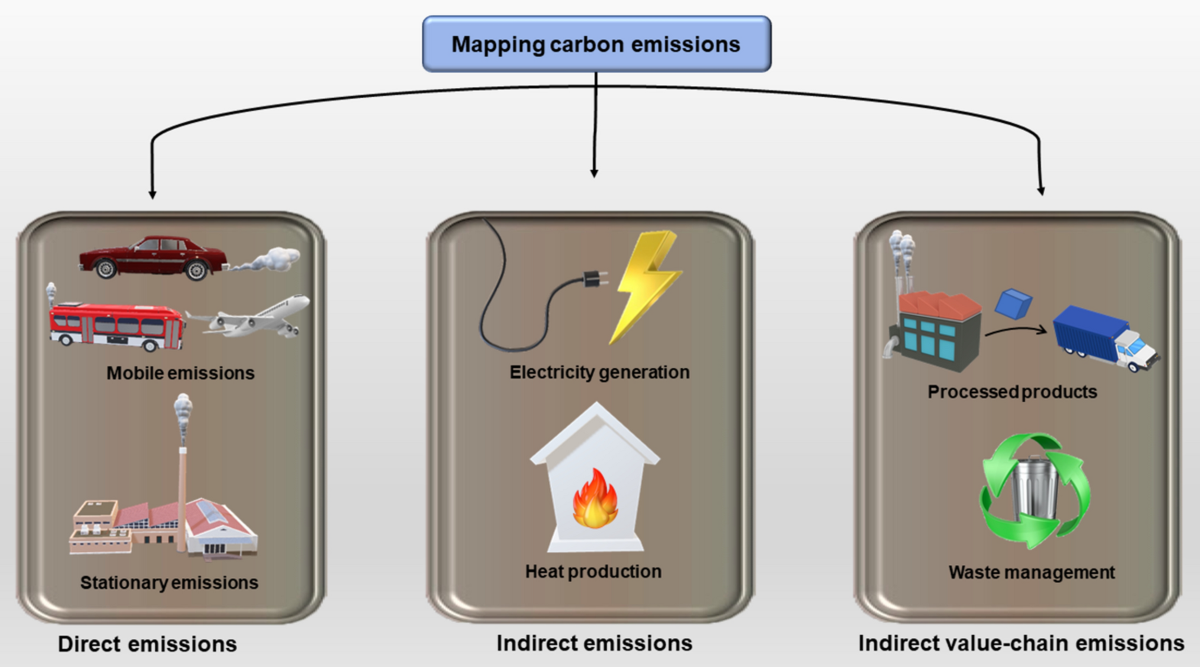
Google’s new strategy will prioritize direct emissions reductions across its operations and supply chain. This includes increasing energy efficiency in data centers, advancing carbon capture technologies, and investing in innovative solutions that directly mitigate greenhouse gas emissions. The company also plans to enhance its efforts in advocating for stronger environmental policies and collaborating with other organizations to drive systemic change.
The tech industry and environmental advocates have responded with a mix of support and skepticism. Some applaud Google’s candid acknowledgment of the limitations of carbon neutrality and its commitment to more direct action. “It’s a bold move that could set a new standard for corporate sustainability,” commented Leah Stokes, an environmental policy expert. “Transparency and accountability are crucial for making real progress.”
However, others express concerns about the potential impact on the company’s overall carbon footprint. Critics argue that the abandonment of carbon neutrality claims could lead to reduced urgency in achieving emissions reductions. “It’s essential that Google backs this new approach with concrete, measurable actions and continues to lead by example,” noted Bill McKibben, founder of 350.org.
Google’s shift in sustainability strategy highlights the evolving nature of corporate environmental responsibility. As the world grapples with the escalating climate crisis, companies are increasingly scrutinized for their environmental claims and actions. By moving away from carbon neutrality claims, Google aims to foster a more honest and impactful dialogue around sustainability.
“We are committed to doing our part in addressing the climate crisis,” Brandt emphasized. “This is not about stepping back but stepping forward with greater responsibility and urgency.”
As Google embarks on this new path, the tech world and beyond will be watching closely to see how this influential company navigates its renewed sustainability journey.