The Wealth of the Top 1% Reaches a Record $52 Trillion
The wealthiest 1% of Americans now hold a record $52 trillion in assets, according to the latest data released by the Federal Reserve, further deepening concerns over the growing economic divide in the United States.
This new milestone highlights the widening gap between the ultra-wealthy and the rest of the population. Just over a decade ago, in 2013, the top 1% held around $25 trillion—less than half of today’s total. The acceleration has been fueled by booming stock markets, rising property values, and a wave of profitable tech and financial sector investments.
Analysts point out that while the broader economy has grown, much of that growth has disproportionately benefited the wealthy. According to the Fed’s data, the top 1% now own over 32% of the nation’s total wealth, while the bottom 50% hold just 2.5%.

“This concentration of wealth is not just a statistic—it’s a reflection of systemic inequality,” said Dr. Lena Park, an economist at the Brookings Institution. “Such imbalances can lead to social and economic instability if left unaddressed.”
Critics argue that tax policy and corporate structures have enabled wealth to accumulate in fewer hands, calling for reforms such as higher capital gains taxes and wealth taxes. Meanwhile, defenders of the current system claim that innovation and entrepreneurship are being rewarded fairly.
As 2026 elections approach, the record-breaking figure is likely to become a central talking point in political debates, especially among progressive candidates pushing for redistributive economic policies.
The $52 trillion milestone serves as a stark reminder of the wealth disparities that continue to shape the American economy—and the difficult choices facing policymakers on how to address them.
Detroit Auto Stocks Soar on Report of Tariff Relief for U.S. Vehicles
Detroit’s major automakers saw their stock prices jump significantly on Friday following reports that the U.S. government is considering tariff relief measures for vehicles and parts produced domestically. Ford, General Motors, and Stellantis experienced gains as investors reacted positively to the potential easing of tariffs that have long increased costs for American car manufacturers.
The proposed tariff relief is expected to extend and possibly expand existing credit programs designed to reward automakers with strong U.S.-based production. Currently, certain vehicles assembled in the United States qualify for a tariff offset, but the new plan could broaden eligibility to include more components and extend the benefits for several years. This development is seen as a major boost for automakers investing heavily in domestic operations.
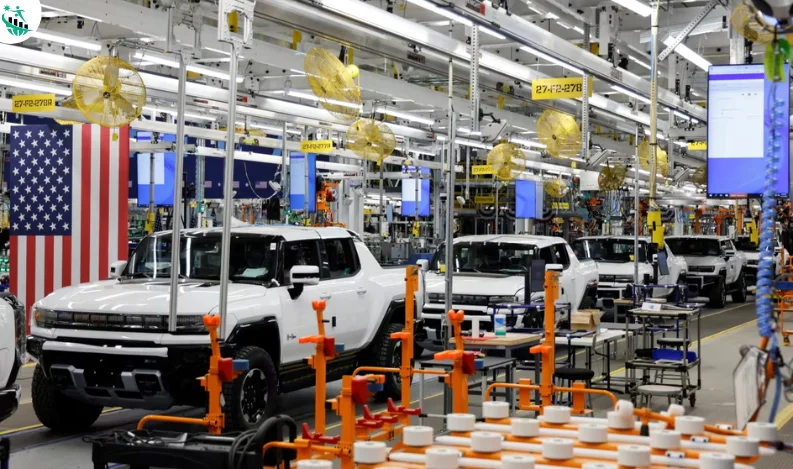
Senators and industry insiders have indicated that the move is intended to incentivize manufacturing in the U.S. and support jobs in the auto sector. By providing financial relief, the government aims to strengthen the competitiveness of American-made vehicles in both domestic and global markets.
The impact of tariffs has been a significant concern for Detroit’s automakers, with estimates suggesting billions of dollars in added costs due to import duties on parts and vehicles. These tariffs have affected pricing strategies and profit margins, prompting companies to seek ways to mitigate the financial strain.
Market analysts believe that easing these tariffs would reduce production costs and enhance profitability for Detroit automakers, potentially leading to increased investment and innovation in the sector. However, details of the relief plan are yet to be finalized, and companies remain cautious until an official announcement is made.
For now, the surge in stock prices reflects optimism among investors that the government’s policy will favor domestic manufacturing, providing a much-needed boost to an industry critical to the American economy.
Tesla and GM Lead Record U.S. EV Sales as Federal Incentives End
October 5, 2025 — Tesla and General Motors (GM) have driven record electric vehicle (EV) sales in the United States this year, despite the recent expiration of the federal $7,500 EV tax credit that had long supported consumer demand.
Tesla reported a record-breaking 497,099 vehicle deliveries in the third quarter of 2025, surpassing market expectations and its own previous records. This surge was largely fueled by customers rushing to purchase before the federal incentive expired on September 30. Through September, Tesla maintained a dominant position with a 43.1% share of the U.S. EV market, though this is slightly down from nearly half of the market at the end of 2024.
GM also posted impressive EV sales growth, delivering 144,668 units through the first nine months of 2025. This represents a significant increase in market share from 8.7% at the beginning of the year to nearly 14% by September. GM’s expanding electric lineup and aggressive push into EVs have helped close the gap with Tesla. Notably, GM continues to offer incentives on leased EVs, enabling customers to benefit from discounts akin to the federal tax credit, even after its official end.

The expiration of the federal tax credit has triggered a surge in demand as consumers rushed to take advantage of the benefit before it disappeared, pushing third-quarter EV sales to new heights. Analysts expect some slowdown in sales moving forward, as buyers adjust to the absence of federal subsidies.
Nevertheless, Tesla and GM’s strong performance this year underscores their leadership in the rapidly evolving EV market. Both automakers are well-positioned to capitalize on growing consumer interest and stricter environmental regulations, even as the incentive landscape changes. The shift marks a new phase in the U.S. EV industry, driven by innovation, expanding model offerings, and shifting consumer preferences.
Walmart-Backed Fintech OnePay to Introduce Cryptocurrency Trading in Banking App
Walmart-backed fintech company OnePay is preparing to integrate cryptocurrency trading and custody services directly into its banking app by the end of 2025. This new feature will allow users to buy, hold, and convert popular cryptocurrencies such as Bitcoin and Ethereum within the app, marking a significant expansion of OnePay’s financial offerings.
OnePay, founded in 2021 as a joint venture between Walmart and Ribbit Capital, has positioned itself as a comprehensive digital finance platform. So far, it offers high-yield savings accounts, debit and credit cards, peer-to-peer payments, and buy now, pay later services. The addition of cryptocurrency trading aims to further enhance the app’s appeal by meeting the growing demand for digital asset services.

The crypto infrastructure enabling this integration will be supported by a specialized fintech firm, ensuring secure and compliant handling of digital currencies. This development will place OnePay alongside other fintech leaders like Venmo, Cash App, and PayPal, which have already incorporated cryptocurrency trading features.
By adding crypto capabilities, OnePay targets a wide user base, including Walmart’s large customer network across nearly 4,600 U.S. stores, as well as underbanked populations seeking greater access to digital financial services. The move aligns with Walmart’s broader strategy to expand its footprint in the digital finance space, leveraging its retail presence and customer reach.
Although the company has not announced an exact launch date, sources indicate that the cryptocurrency trading functionality will roll out later this year. This strategic step highlights how major retailers and fintech startups are increasingly embracing cryptocurrencies as part of mainstream financial products, aiming to offer a seamless and versatile experience for users in the evolving digital economy.