In a stunning escalation that has sent shockwaves through Hollywood, Paramount Global and its financial backers have launched a hostile all-cash tender offer for Warner Bros. Discovery (WBD), proposing to acquire the storied media conglomerate for $30 per share. The unprecedented bid, valuing WBD at more than $100 billion, is designed not only to seize control of one of the world’s most influential entertainment empires but also to derail a previously announced acquisition agreement between WBD and Netflix.
The move marks one of the boldest and most aggressive takeover attempts in modern media history, setting the stage for a high-stakes corporate showdown that could reshape the global entertainment landscape.
A Sudden Power Play
Paramount’s hostile offer arrives after months of speculation about consolidation in the entertainment industry, which has been shaken by declining cable revenues, escalating streaming costs, and mounting debt among legacy media firms. While Paramount itself has been navigating financial headwinds, its strategic partnership with Skydance Media and significant equity commitments from private-equity investors have given the company the financial muscle necessary for a bid once considered unthinkable.
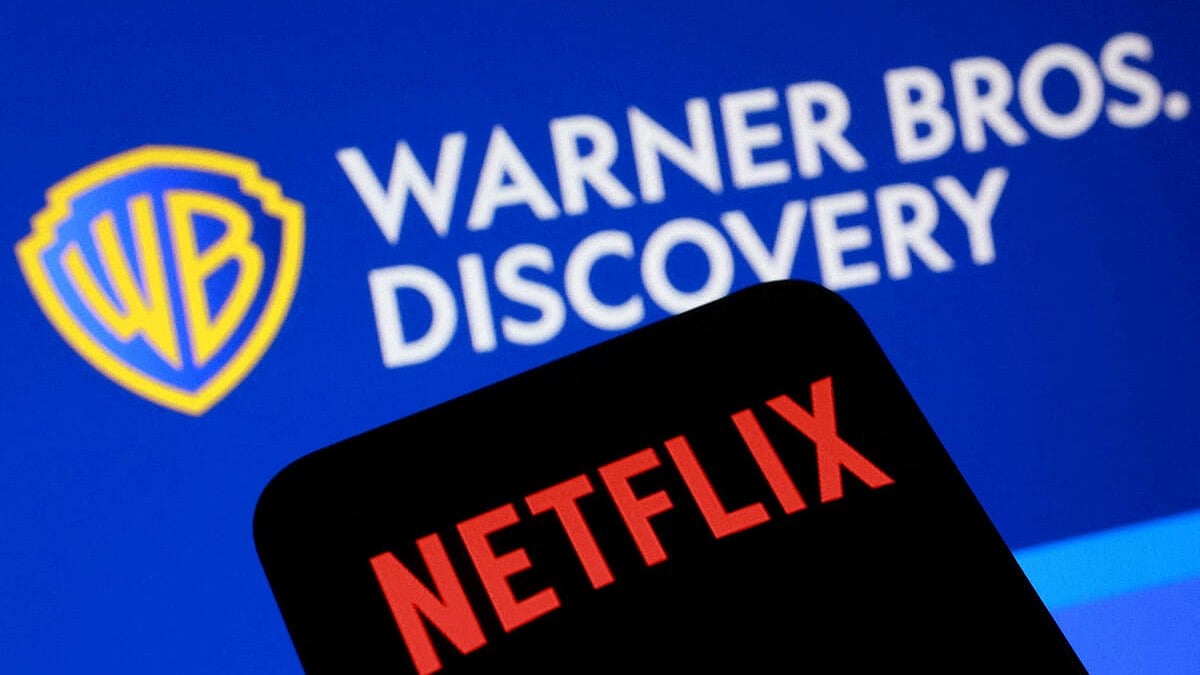
According to executives familiar with the offer, Paramount is positioning its $30-per-share proposal as a superior alternative to Netflix’s earlier agreement with WBD, which involved a combination of cash and stock. Paramount’s leadership has argued that Netflix’s offer exposes WBD shareholders to regulatory delays, valuation uncertainty, and the risk that portions of the company—particularly the cable networks—would be spun off under unclear terms.
By contrast, Paramount’s bid is designed to be straightforward: a cash-only tender that values the entirety of WBD, including its television networks, popular streaming platform, and entertainment studio. The company is pledging a smoother regulatory path, a faster closing timeline, and greater long-term strategic alignment.
Why Warner Bros. Discovery Matters
Warner Bros. Discovery remains one of Hollywood’s crown jewels, boasting a library of globally recognized franchises including DC, Harry Potter, HBO programming, CNN, and a vast archive of film and television content. Its streaming service, Max, has gained traction in recent years, bolstered by high-profile original programming and a growing global presence.
For Paramount, acquiring WBD would offer transformative scale. The combination of Paramount Pictures, CBS, Nickelodeon, MTV, Comedy Central, and the entire WBD portfolio would instantly create one of the largest entertainment companies in the world—spanning theatrical, linear television, and streaming markets.
For Netflix, the stakes are equally high. Its bid for WBD represented the streaming giant’s long-anticipated move into owning a major studio outright, a shift from its decades-long reliance on licensing and original production partnerships. Netflix hoped that taking control of Warner Bros. would give it unparalleled production capacity and a vast library of intellectual property, while finally bridging its biggest competitive gap: ownership of a legacy content powerhouse.
Paramount’s surprise intervention now threatens to upend that strategy.
The Hostile Approach
A hostile tender offer is considered a last-resort tactic, typically deployed when the target company’s board rejects or refuses to engage with a potential acquirer. By going directly to WBD shareholders, Paramount is betting that its cash-heavy proposal will prove too attractive to ignore—especially given WBD’s heavy debt load and its uneven performance in the streaming wars.
Paramount is also implicitly testing the confidence WBD shareholders have in the Netflix deal. If enough investors decide that Paramount’s premium is worth accepting, the board may be forced to reconsider its previous commitments.
Industry analysts note that this approach carries significant risk. Hostile takeovers often trigger protracted legal battles, defensive maneuvers, and heightened regulatory scrutiny. Yet Paramount’s leadership appears convinced that the prize is worth the fight.
Netflix Responds
Netflix has attempted to reassure its stakeholders, signaling that it remains committed to completing its agreement with WBD. Executives within the company have argued that their deal provides stronger long-term strategic value and that regulators would look more favorably on a streaming-studio merger than on a consolidation of two legacy media giants.
Still, there is no denying that Paramount’s maneuver has complicated Netflix’s path. The streaming company now faces a highly unpredictable bidding war, and the possibility that shareholders could force WBD to walk away from their agreement.
Regulators Watching Closely
Whether either deal ultimately goes through will depend heavily on regulatory bodies across multiple jurisdictions. Both Paramount and WBD operate global media businesses spanning television, film, sports, news, and streaming. Regulators are expected to scrutinize the potential impact on competition, consumer choice, and corporate influence over information distribution.

A Paramount–WBD merger would create one of the most vertically integrated entertainment entities ever assembled, prompting questions about market dominance in film distribution, television programming, and cable. Netflix’s proposed acquisition, while different in nature, raises its own concerns regarding streaming dominance and content control.
What Comes Next
WBD’s board has said it will review Paramount’s proposal, but so far has given no indication of abandoning its commitment to Netflix. Shareholders, meanwhile, will have several weeks to weigh their options under the terms of the tender offer.
If Paramount succeeds, the media landscape could be reshaped almost overnight. If it fails, the company will have exposed itself to significant financial and reputational risk—while potentially strengthening Netflix’s position.
For now, Hollywood is bracing for a dramatic corporate battle that could determine the future of three of the industry’s most influential companies.