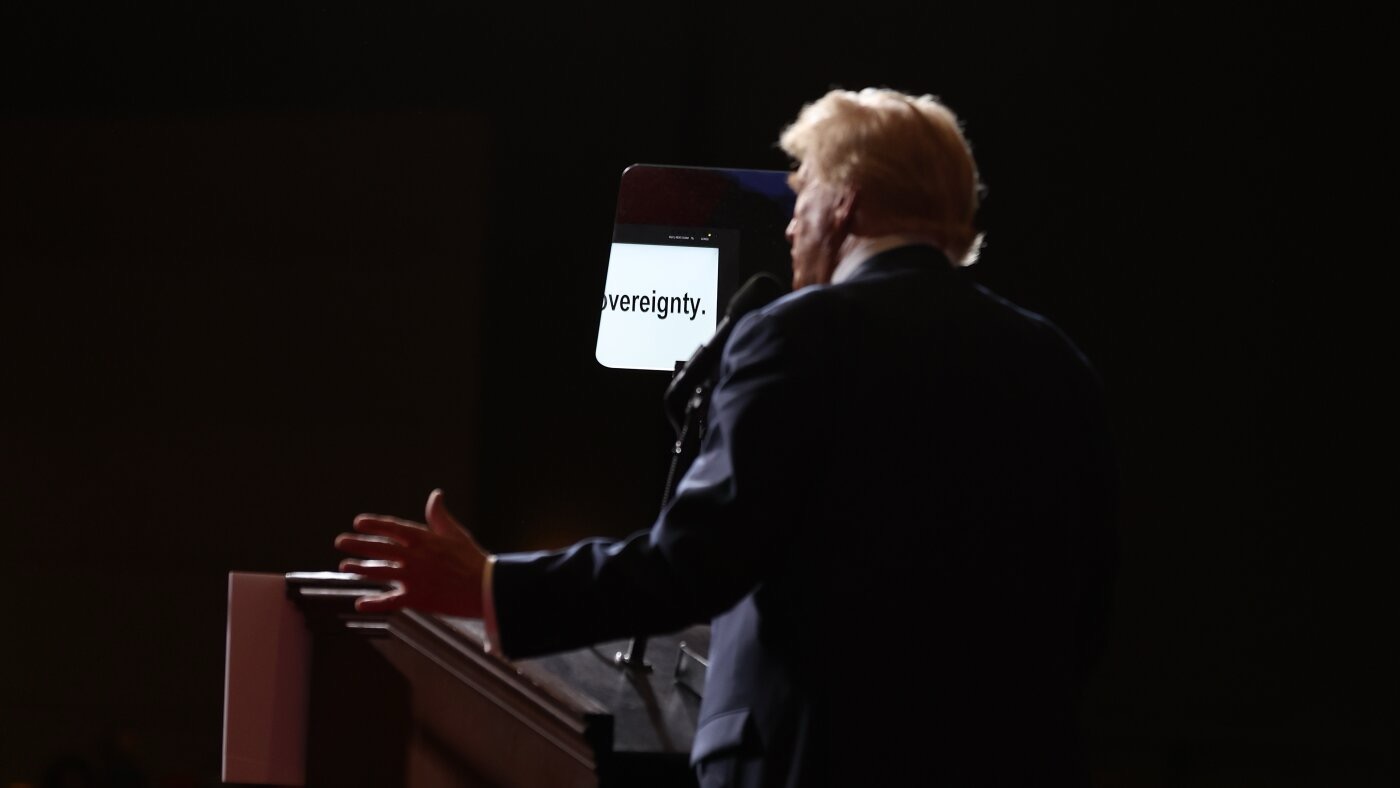
In a move that has sparked intense debate across the energy sector, the United States government has agreed to pay $1 billion to French energy major TotalEnergies to terminate two offshore wind lease agreements, including one linked to a massive 3 gigawatt (GW) project. The decision effectively halts what would have been one of the largest offshore wind developments in U.S. history.
The compensation package is intended to reimburse TotalEnergies for costs incurred in acquiring the leases and advancing early-stage development work. Industry estimates suggest the company had already invested heavily in site studies, permitting processes, environmental assessments, and initial engineering plans. The payment is also expected to cover projected losses resulting from the abrupt cancellation of the projects.
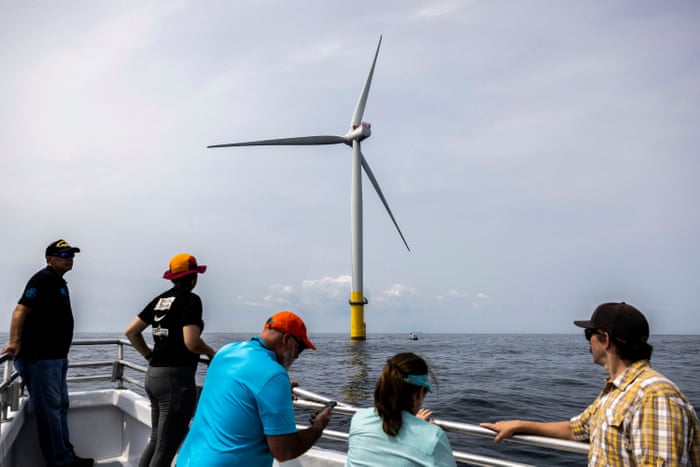
At the center of the agreement is the 3 GW offshore wind farm, a project that had been poised to power millions of American homes and significantly contribute to reducing carbon emissions. The second lease, while smaller, was also seen as a key component in expanding offshore wind capacity along the U.S. coastline. Both projects were secured through federal auctions and were part of a broader push to transition toward renewable energy sources.
The decision to terminate these leases reflects a notable shift in federal energy priorities. While offshore wind had previously been championed as a cornerstone of the country’s clean energy strategy, a combination of economic, political, and logistical challenges appears to have altered that trajectory. Rising construction costs, supply chain disruptions, and inflationary pressures have made large-scale offshore wind projects increasingly expensive and complex to execute.
In addition, opposition from various stakeholder groups has intensified in recent years. Coastal communities, commercial fishing industries, and some environmental organizations have raised concerns about the potential impact of offshore wind farms on marine ecosystems, local livelihoods, and ocean-based industries. Issues such as turbine visibility, noise, and potential disruptions to wildlife migration patterns have also contributed to growing resistance.

Political dynamics have further complicated the outlook for offshore wind. Shifting priorities within the federal government have led to a reassessment of how best to balance energy security, economic growth, and environmental sustainability. Some policymakers have advocated for a more diversified energy mix, placing greater emphasis on nuclear power, solar energy, and domestic fossil fuel production.
The $1 billion payout underscores the legal and financial complexities involved in reversing large infrastructure agreements. Offshore energy leases typically include protections for developers against abrupt policy changes, making outright cancellation without compensation legally risky. By negotiating a settlement, the government aims to avoid prolonged legal disputes that could have resulted in even higher costs and potential international arbitration.
However, the decision has sent shockwaves through the renewable energy industry. Investors and developers are now grappling with concerns about regulatory uncertainty in the U.S. market. Offshore wind projects require long-term planning and significant capital investment, often spanning decades. Sudden policy reversals of this scale can undermine confidence and deter future investment.
Industry analysts warn that the move could have ripple effects beyond the projects directly affected. Supply chain partners, including manufacturers of turbines, cables, and other infrastructure components, may also face setbacks as demand projections shift. Ports and coastal regions that had been preparing to support offshore wind development could see economic opportunities diminish.
Environmental groups have been particularly critical of the decision, arguing that canceling a project of this magnitude represents a setback in efforts to combat climate change. Offshore wind had been expected to play a crucial role in helping the United States meet its emissions reduction targets over the coming decades. The loss of a 3 GW project alone could significantly impact those projections.
Despite the controversy, TotalEnergies has maintained that it will continue to pursue renewable energy opportunities in other regions. The company has a substantial global portfolio of wind, solar, and other clean energy projects and is expected to redirect resources toward markets with more stable policy environments.
For the United States, the agreement highlights the challenges of navigating a complex energy transition. Balancing economic constraints, environmental goals, and political considerations remains a delicate task. While the $1 billion payment resolves immediate contractual obligations, it raises broader questions about the consistency and direction of national energy policy.
As the global race toward cleaner energy intensifies, decisions like this will likely shape how international investors view the U.S. as a destination for large-scale renewable projects. The long-term implications of halting these offshore wind developments are still unfolding, but the impact on the country’s energy landscape could be significant.