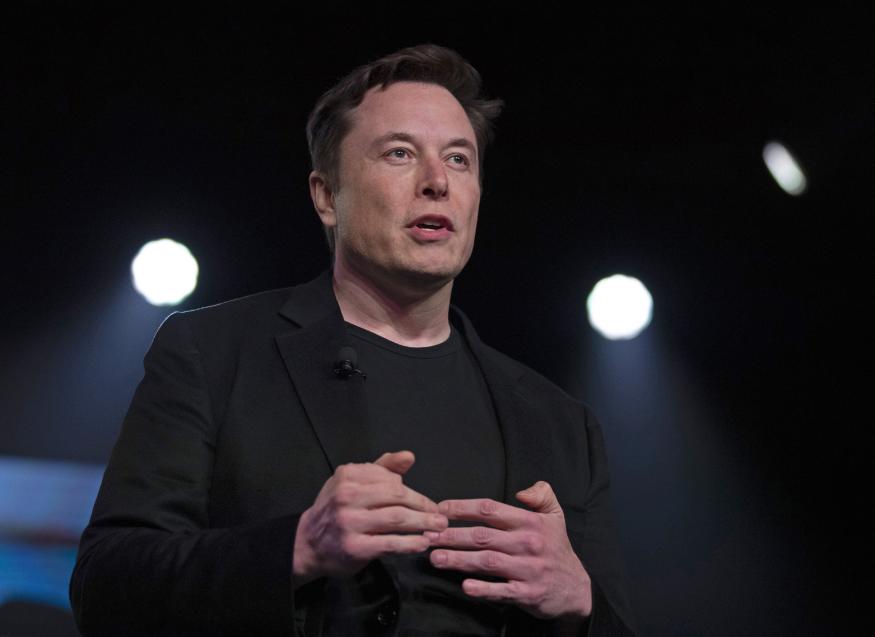
In a surprising turn of events, visionary entrepreneur Elon Musk has raised eyebrows once again by testing a new method of verification that involves using a government-issued ID and a selfie. This unconventional approach aims to bolster online security and authentication across various platforms.
Known for his ventures in the electric vehicle industry, space exploration, and renewable energy, Musk has never been one to shy away from pushing the boundaries of innovation. His latest venture into digital authentication has sparked discussions about the future of online identity verification.
The concept involves users submitting a government-issued identification card, such as a driver’s license or passport, along with a real-time selfie. This combination of documents and facial recognition technology aims to create a more robust and reliable method of verifying users’ identities online. Musk’s involvement in this endeavor has drawn attention from both tech enthusiasts and privacy advocates.

Musk’s interest in online security is not entirely new. His companies, such as Tesla and SpaceX, have consistently invested in cutting-edge cybersecurity measures to protect their intellectual property and customer data. This latest exploration of identity verification appears to be an extension of his commitment to digital security.
Critics, however, have voiced concerns about potential privacy implications and the security of personal information. They worry that the data collected during the verification process could be vulnerable to breaches or misuse. Advocates for digital privacy emphasize the importance of striking a balance between security and personal freedoms.
Industry experts have noted that while the idea of using government IDs and facial recognition for verification is not unprecedented, Musk’s involvement lends it significant attention and potential adoption. Similar methods have been used for years in industries such as banking and e-commerce, but widespread adoption in online platforms could represent a significant shift in how users prove their identities online.
Musk has not yet revealed which of his companies or projects would implement this method of verification, but his track record suggests that if successful, it could find its way into various applications across his diverse portfolio.
As discussions surrounding digital identity and privacy continue to evolve, Musk’s experiment in online verification adds a new layer of complexity to the conversation. While the potential benefits of enhanced security are evident, the challenges and risks associated with safeguarding personal data remain crucial considerations in the development of such systems.
Whether Elon Musk’s latest endeavor will become a milestone in the realm of online authentication or a mere experiment with limited impact, only time will tell. As the tech mogul continues to test the boundaries of innovation, the digital world watches with both anticipation and caution.