SpaceX Seeks $20 Billion in Debt Days After Record-Breaking $75 Billion IPO
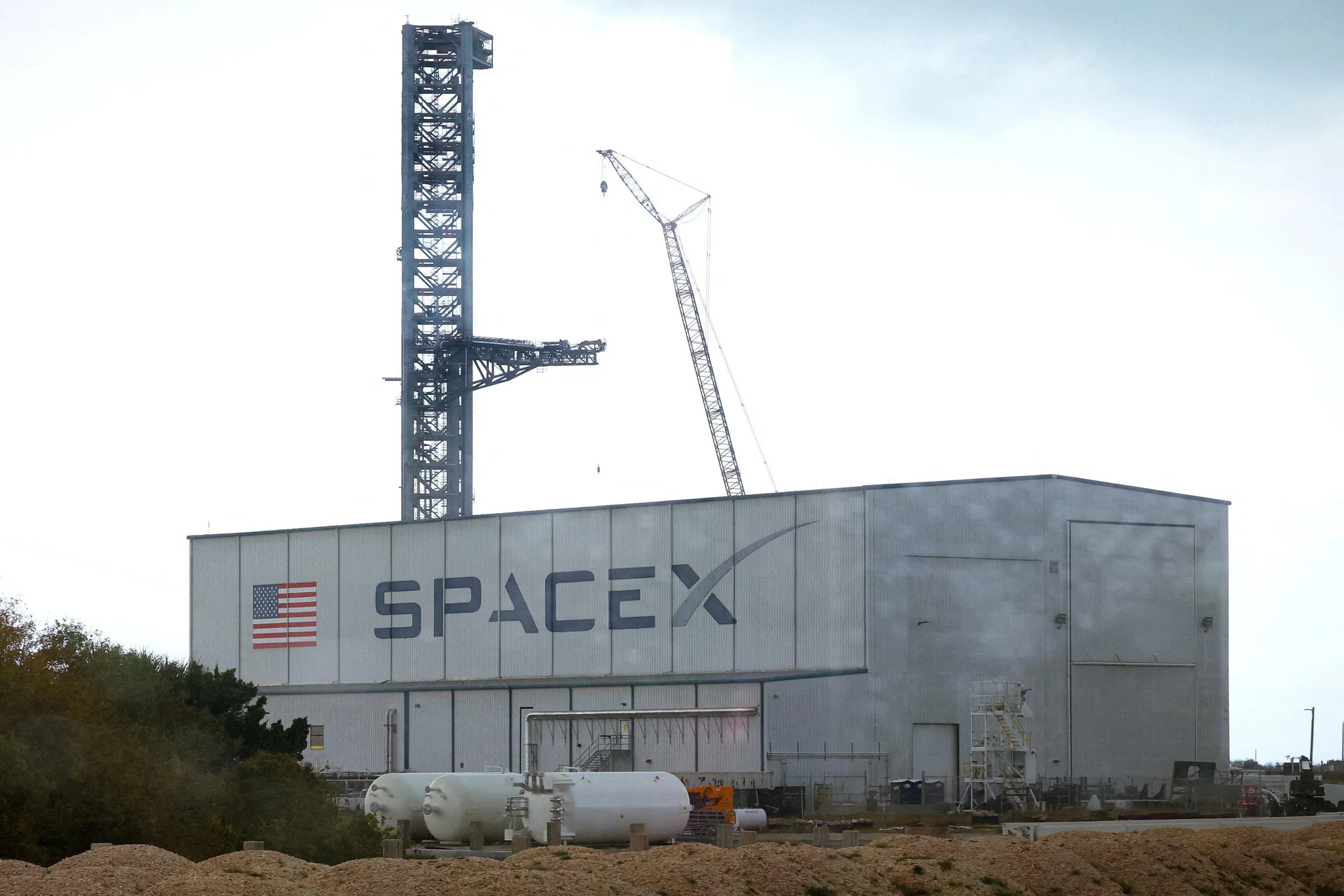
SpaceX is reportedly preparing to raise $20 billion through a debt offering just days after completing its historic $75 billion initial public offering, highlighting the company’s aggressive expansion plans and growing capital needs.
The move comes shortly after SpaceX made history with the largest IPO ever recorded, attracting strong investor demand and achieving a valuation that placed it among the world’s most valuable companies. Despite the massive amount of capital raised through the public offering, the company appears eager to secure additional funding to support its ambitious long-term projects.
Industry analysts believe the planned debt raise is aimed at strengthening SpaceX’s financial position while funding large-scale investments across its core businesses. The company continues to spend heavily on rocket development, satellite internet expansion through Starlink, advanced space technologies, and next-generation infrastructure.
The debt offering is also expected to provide SpaceX with greater financial flexibility as it pursues major growth opportunities. Accessing the bond market allows the company to diversify its funding sources while preserving cash raised through the IPO for strategic initiatives and future expansion.
Investor confidence in SpaceX remains strong, driven by its leadership in commercial space launches, growing satellite communications network, and reputation for innovation. The company has transformed the aerospace industry with reusable rocket technology and continues to pursue ambitious goals, including deep-space exploration and global internet connectivity.
Market observers note that raising debt shortly after a successful IPO is not unusual for rapidly growing companies with significant capital requirements. By combining equity and debt financing, businesses can optimize their financial structure while maintaining momentum on key projects.
If completed, the $20 billion debt deal would rank among the largest corporate bond offerings of the year and further demonstrate SpaceX’s determination to accelerate its growth plans. The move underscores the company’s commitment to investing heavily in future technologies while strengthening its position as a global leader in the space and technology sectors.
At 21, Jenny Duan Raises $11.6 Million to Bring Hormone Tracking to Wearable Health Tech
While wearable devices have transformed how people monitor their health, entrepreneur Jenny Duan believes a critical piece of the puzzle has been overlooked: women’s hormones. At just 21 years old, Duan has raised $11.6 million in funding led by Khosla Ventures to develop technology aimed at tracking hormonal changes and providing more personalized health insights for women.
The startup is entering a rapidly growing market dominated by wearable brands that focus on metrics such as heart rate, sleep quality, recovery, and physical activity. However, Duan argues that many existing devices do not adequately account for hormonal fluctuations, which can significantly influence energy levels, mood, metabolism, recovery, and overall well-being.
Her company is working to build a platform that helps women better understand how hormonal changes affect their daily lives. By combining advanced health monitoring with personalized insights, the technology aims to give users a clearer picture of their bodies and support more informed decisions related to fitness, nutrition, and lifestyle.

The funding round highlights growing investor interest in women’s health technology, often referred to as FemTech. The sector has attracted increasing attention in recent years as entrepreneurs and healthcare professionals push for products that address health concerns unique to women.
Industry experts note that women’s health has historically received less attention in both medical research and consumer technology. This has created opportunities for startups focused on solving challenges that larger companies may have overlooked.
For Duan, the mission is not just about creating another wearable device but about building tools that provide deeper biological insights. The newly raised capital will be used to accelerate research, expand product development, and bring the company’s hormone-tracking technology to market.
As demand for personalized healthcare continues to grow, Duan’s startup is positioning itself at the intersection of wearable technology and women’s health, aiming to redefine how consumers understand and manage their bodies in the years ahead.
Ex-SpaceX Engineer Raises $22 Million to Bring Ford-Style Efficiency to Geothermal Energy
A former SpaceX engineer has raised $22 million in funding to modernize the geothermal energy industry, aiming to do for power plants what Henry Ford did for automobiles: make them faster, cheaper, and easier to produce at scale.
The startup is focused on addressing one of geothermal energy’s biggest challenges—high construction costs and lengthy development timelines. While geothermal power offers a reliable source of clean electricity that can operate around the clock, each project is typically custom-built to suit local geological conditions. This process often leads to increased expenses and delays, limiting the industry’s growth.
The company’s solution is to introduce a more standardized and modular approach to geothermal plant construction. By designing repeatable systems that can be manufactured and deployed more efficiently, the startup hopes to reduce costs and accelerate the adoption of geothermal energy worldwide.

The vision draws inspiration from Henry Ford’s assembly-line revolution, which transformed automobile production in the early 20th century. Just as Ford standardized manufacturing to make cars more affordable and accessible, the startup aims to bring similar efficiencies to geothermal infrastructure.
The newly secured funding will be used to advance engineering efforts, expand manufacturing capabilities, and develop pilot projects that demonstrate the viability of the company’s approach. Investors backing the venture believe geothermal energy has significant untapped potential as countries seek dependable sources of carbon-free electricity.
Unlike solar and wind power, which depend on weather conditions, geothermal energy provides constant power generation, making it a valuable resource for maintaining grid stability. As governments and businesses increase investments in clean energy technologies, interest in geothermal solutions has grown steadily.
The founder’s experience at SpaceX has shaped the company’s emphasis on innovation, manufacturing efficiency, and scalability. By applying lessons learned from the aerospace industry, the startup hopes to unlock a new era for geothermal power and help make clean, reliable energy more widely available across the globe.
Ex-Uber and Amazon Veterans Raise $2.5 Million to Slash AI Coordination Costs by 3.5x
A new artificial intelligence startup founded by former Uber and Amazon executives has raised $2.5 million in seed funding, betting that the next major breakthrough in AI will not come from building bigger models but from making them work together more efficiently.
The company, launched by a team with experience managing large-scale technology systems at two of the world’s most influential tech giants, aims to reduce AI coordination costs by as much as 3.5 times. The startup is developing infrastructure that enables multiple AI models and agents to collaborate seamlessly while minimizing computational overhead and operational complexity.
The funding comes at a time when businesses around the world are rapidly adopting AI-powered tools to automate workflows, improve customer service, analyze data, and enhance decision-making. However, as organizations move beyond simple chatbot applications and begin deploying networks of AI agents that work together, a new challenge has emerged: coordination.
While much of the AI industry’s focus has been on creating larger and more powerful models, enterprises are increasingly discovering that the true cost of AI extends far beyond training and inference. Managing interactions between multiple AI systems, ensuring data consistency, routing tasks effectively, and preventing duplication of work can become expensive and difficult to scale.
The startup’s founders believe this problem will become even more significant as AI systems grow increasingly autonomous. In the future, companies are expected to rely on teams of specialized AI agents, each handling different functions such as customer support, scheduling, coding, financial analysis, content generation, and research. Coordinating these agents efficiently will be essential to maximizing productivity and controlling costs.
According to the company, its platform is designed to optimize communication between AI agents, reducing unnecessary processing and ensuring tasks are completed using the most efficient pathways. By improving orchestration, the startup claims organizations can significantly lower computing expenses while increasing overall system performance.
The founders’ backgrounds at Uber and Amazon have played a major role in shaping the company’s approach. Both companies operate some of the world’s most sophisticated technology ecosystems, requiring constant coordination between thousands of services, databases, and automated processes. Lessons learned from managing these highly complex infrastructures are now being applied to the rapidly evolving AI landscape.
At Uber, efficient coordination is critical to matching drivers and riders, processing payments, optimizing routes, and managing millions of transactions in real time. Similarly, Amazon’s operations rely on seamless communication across logistics networks, cloud computing systems, e-commerce platforms, and supply chain management tools. The startup’s founders argue that many of the same principles can help solve coordination challenges in AI environments.
The fresh capital will be used to expand the company’s engineering team, accelerate product development, and support customer acquisition efforts. The startup also plans to invest heavily in research focused on agent-based AI systems, a segment that many industry observers believe could become one of the most important areas of artificial intelligence over the next decade.
Investor interest in AI infrastructure companies has surged in recent years. While generative AI applications continue to attract significant attention, many venture capital firms are increasingly looking beyond consumer-facing products and focusing on the underlying technologies that enable AI systems to operate efficiently at scale.
Industry experts note that infrastructure startups often play a crucial role during technological shifts. Just as cloud computing required new tools for managing distributed systems, the rise of AI agents is creating demand for platforms that can orchestrate increasingly complex workflows. Companies capable of solving these challenges could become essential partners for businesses adopting AI technologies.
The startup enters a competitive market that includes numerous companies building tools for AI deployment, monitoring, and workflow management. However, the founders believe their emphasis on reducing coordination costs gives them a unique position. As enterprises seek measurable returns on their AI investments, technologies that lower operational expenses may become increasingly attractive.
Businesses are also facing growing pressure to justify AI spending. Although many organizations have embraced AI initiatives, concerns about rising cloud computing costs and resource consumption remain widespread. Solutions that improve efficiency without sacrificing performance are likely to gain attention from decision-makers looking to scale AI projects sustainably.
The company’s vision extends beyond simple cost reduction. By making AI systems easier to coordinate, the founders hope to unlock new use cases that would otherwise be too expensive or complex to implement. This could allow organizations to deploy larger networks of AI agents capable of handling sophisticated workflows across departments and industries.
As artificial intelligence continues to evolve, many experts believe the industry’s next phase will focus less on individual models and more on how multiple systems work together. The ability to coordinate specialized agents efficiently may ultimately determine how successfully businesses can integrate AI into their operations.
With fresh funding, experienced leadership, and a growing market opportunity, the startup is positioning itself at the center of this emerging trend. While the broader AI race often focuses on building smarter models, these former Uber and Amazon executives are betting that making AI systems collaborate more effectively could prove just as valuable—and potentially far more profitable—in the years ahead.