Apple has announced that 82% of all compatible iPhones are now running iOS 18, just a few months after the update’s release. This marks one of the highest adoption rates for an iOS update in recent years and reflects the continued strength of Apple’s tightly controlled software ecosystem, where users tend to upgrade quickly and consistently.
The iOS 18 update is compatible with a broad range of devices, including all models from the iPhone XR and XS onward. Despite the diversity of devices in use, Apple has managed to achieve near-universal adoption across its base of eligible iPhones. This stands in stark contrast to the often fragmented Android landscape, where device manufacturers and carriers play a more significant role in update deployment, resulting in delayed and uneven rollouts.
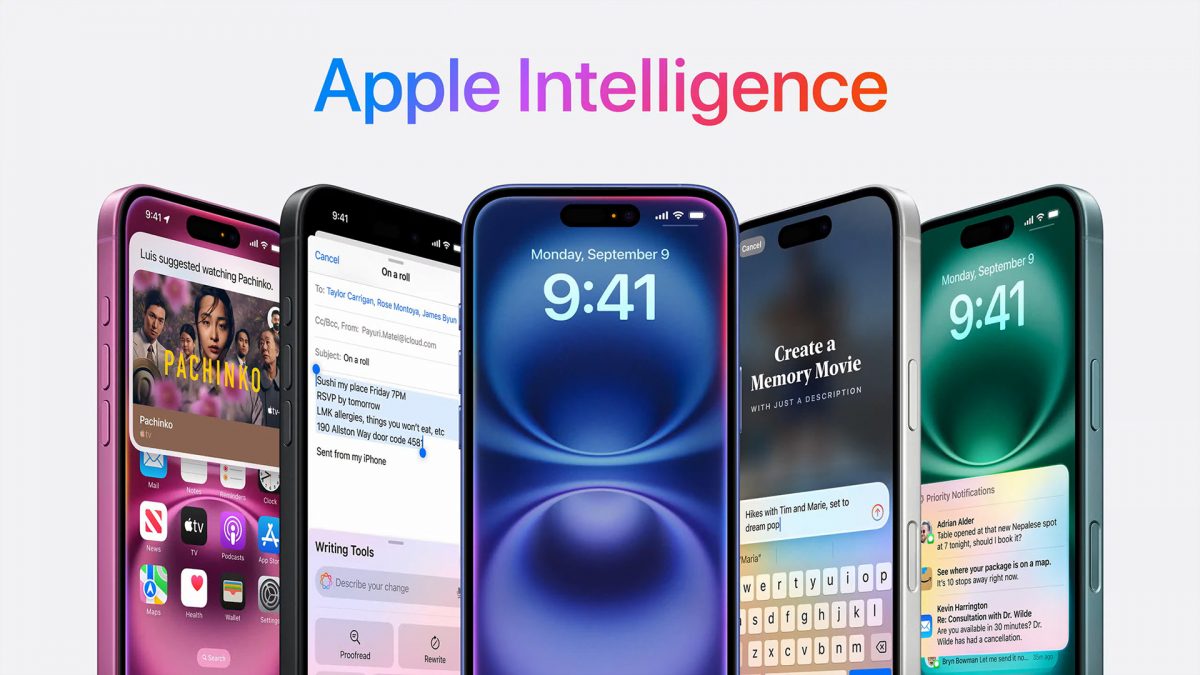)
At the core of iOS 18’s appeal is its wide array of new features and improvements, many of which focus on personalization, intelligence, and usability. One of the headline features is Apple Intelligence—a collection of AI-powered tools designed to enhance productivity, communication, and user interaction. These include smarter writing suggestions, personalized emoji generation, improved image editing, and more contextual assistance from Siri.
While the full suite of Apple Intelligence features is limited to the most recent iPhone models—specifically the iPhone 15 Pro and iPhone 15 Pro Max—users on older devices still benefit from a wide range of enhancements. These include improvements in Messages, such as scheduled messages and emoji reactions, a redesigned Control Center, customizable lock screens, more powerful search capabilities in Photos, and improved privacy tools across the system.
Apple’s commitment to providing consistent updates across a wide range of devices has long been one of its competitive advantages. The company’s control over both the hardware and software allows for efficient testing, optimization, and rollout of new features. This, in turn, builds user trust and confidence in updating early, knowing that they’ll get a stable and polished experience.
Another major factor behind the rapid adoption of iOS 18 is Apple’s emphasis on security. With each new version of iOS, Apple includes a series of under-the-hood updates that address known vulnerabilities, enhance encryption protocols, and strengthen user data protections. In an age where privacy concerns are mounting, many users see iOS updates as an essential way to keep their devices secure and their data protected.
In addition to new features and security enhancements, iOS 18 also delivers performance improvements for older devices. Even users with three- or four-year-old iPhones report faster app launches, smoother animations, and better battery life management. Apple’s ability to maintain strong performance across older hardware has helped reduce resistance to upgrading, which is often a concern among users with aging devices.
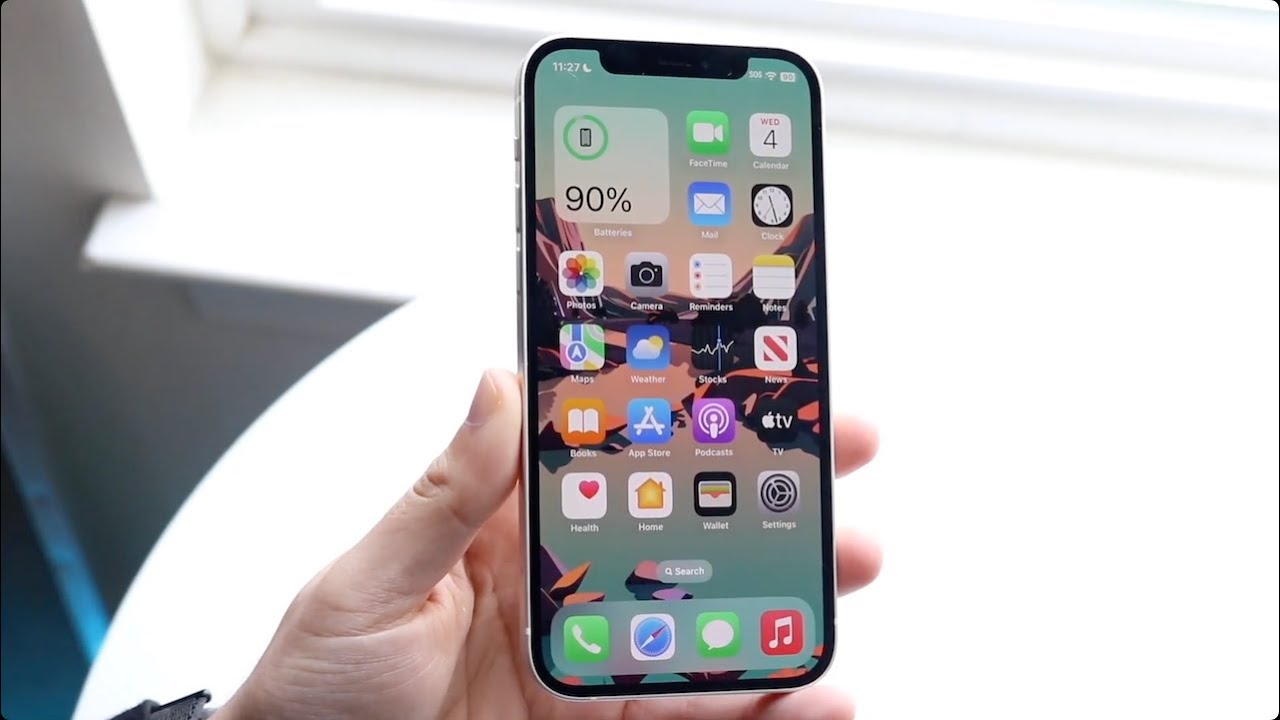
The rapid adoption of iOS 18 also benefits the broader developer ecosystem. With such a high percentage of users on the latest operating system, app developers can focus more energy on leveraging new tools and APIs introduced in iOS 18 without needing to support multiple outdated versions. This streamlines development and enables faster innovation across the App Store.
Looking ahead, the strong performance of iOS 18 lays the groundwork for Apple’s next wave of software and hardware updates. As Apple continues to lean into artificial intelligence, on-device processing, and deeper app integration, user adoption and engagement will play a critical role in shaping the success of future initiatives.
For now, the 82% adoption rate is a strong endorsement of both iOS 18 itself and Apple’s ongoing strategy of tightly integrated hardware and software. It reflects a user base that not only trusts the update process but is eager to explore new capabilities—solidifying iOS 18 as one of the most successful rollouts in recent memory.