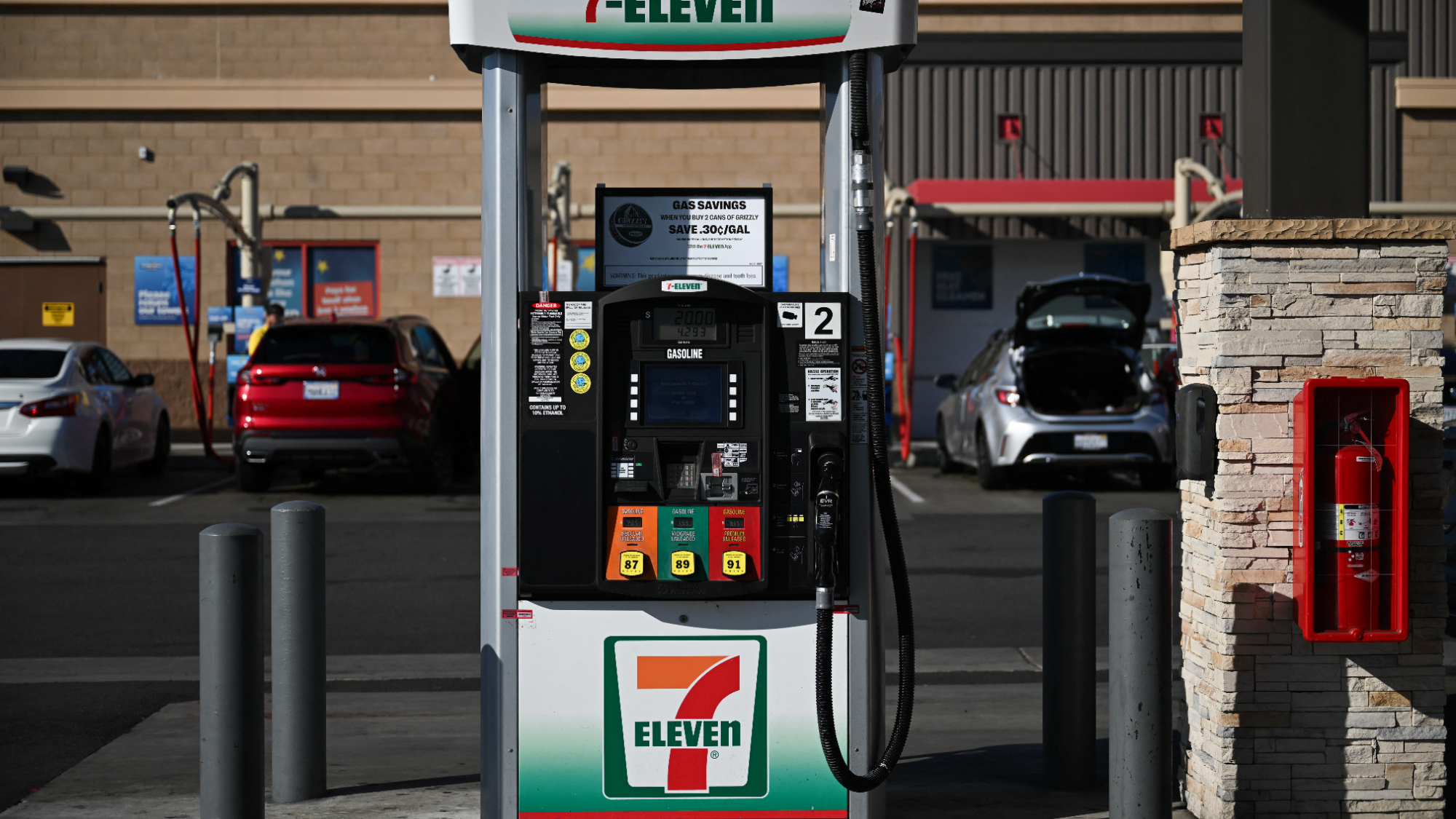
California drivers have launched a lawsuit against several gas station operators, including BP and 7-Eleven, alleging that they used artificial intelligence-powered pricing systems to inflate fuel prices and overcharge consumers. The proposed class-action suit claims that advanced pricing software enabled competing gas stations to coordinate prices in ways that reduced competition and extracted more money from customers.
The case has reignited concerns about the growing influence of artificial intelligence in everyday economic activities and whether sophisticated algorithms can create anti-competitive conditions without explicit agreements between businesses.
According to the complaint, the gas station operators relied on AI-driven pricing technology that monitored market conditions and competitors’ rates in real time. The plaintiffs allege that the software allowed stations to rapidly adjust prices while keeping them at artificially high levels. They argue that the use of these systems effectively enabled companies to move prices in tandem, limiting the benefits that consumers would ordinarily receive from competitive pricing.

The lawsuit contends that the companies used the technology not merely to respond to market conditions but to maximize profits by taking advantage of the shared use of algorithmic pricing tools. The plaintiffs claim that the practices harmed millions of drivers who were forced to pay more at the pump than they would have in a truly competitive market.
California has some of the highest gasoline prices in the United States, and the cost of fuel remains a politically and economically sensitive issue in the state. Prices are influenced by multiple factors, including taxes, environmental regulations, refinery limitations, and fluctuations in crude oil markets. The lawsuit argues that the alleged use of AI-based pricing systems added another factor contributing to higher costs for motorists.
The legal challenge comes at a time when artificial intelligence is increasingly being integrated into commercial decision-making. Businesses across industries have adopted algorithmic pricing tools to analyze massive volumes of data and make rapid adjustments to prices. Airlines, hotels, ride-hailing companies, retailers, and food delivery platforms are among the sectors that have embraced dynamic pricing technologies.
Companies that use these systems often argue that the technology improves efficiency and enables businesses to respond more effectively to changing demand and supply conditions. Algorithms can process information far faster than humans, helping companies optimize pricing strategies and allocate resources more efficiently. In some situations, dynamic pricing systems can even result in lower prices for consumers by encouraging businesses to adjust rates according to market realities.
However, critics have increasingly questioned whether the widespread use of pricing algorithms could undermine competition. Antitrust experts and consumer advocacy groups have warned that when competitors rely on similar technologies and data inputs, algorithms may produce pricing patterns that closely resemble collusion. Even without direct communication between companies, the use of shared pricing systems may lead firms to avoid aggressive price competition and instead maintain higher prices.
The lawsuit against BP and 7-Eleven reflects these broader concerns. The plaintiffs argue that artificial intelligence should not become a tool for coordinating prices or extracting excessive profits from consumers. They are seeking damages on behalf of California drivers and are also asking the court to prevent the continuation of the alleged practices.
The case is expected to attract significant attention because it raises complex questions about how competition laws should apply in the age of artificial intelligence. Existing antitrust regulations were largely developed long before the emergence of advanced algorithms capable of analyzing markets and adjusting prices in real time. As AI becomes increasingly sophisticated, courts and regulators are being asked to determine whether current legal frameworks are sufficient to address the challenges posed by algorithmic decision-making.
Legal experts suggest that cases involving AI-driven pricing could become more common in the years ahead. As businesses continue to automate pricing decisions, regulators around the world are closely examining whether algorithms can facilitate anti-competitive behaviour. Policymakers are also debating whether additional safeguards are needed to ensure that technological innovation does not come at the expense of fair competition.
For consumers, the implications of the lawsuit extend beyond gasoline prices. Artificial intelligence now plays a role in determining the prices people pay for a wide range of products and services. From travel bookings and entertainment tickets to groceries and transportation services, algorithms increasingly influence the cost of everyday transactions.
The California lawsuit highlights growing public concern about the opacity of these systems. Most consumers have little visibility into how algorithmic pricing tools function or why prices change from one moment to the next. This lack of transparency has fuelled calls for greater oversight and accountability in the use of artificial intelligence in commercial settings.
The defendants have not been found liable, and the allegations remain subject to judicial scrutiny. Nevertheless, the case underscores the challenges that arise when emerging technologies intersect with long-standing principles of market competition and consumer protection.
As artificial intelligence becomes more deeply embedded in business operations, disputes over algorithmic pricing are likely to become increasingly prominent. The outcome of the California case could influence future debates over how AI should be regulated and what responsibilities companies have when deploying advanced technologies that affect millions of consumers. The lawsuit also serves as a reminder that the impact of artificial intelligence is no longer confined to laboratories and tech companies; it is increasingly shaping the prices people pay in their everyday lives.