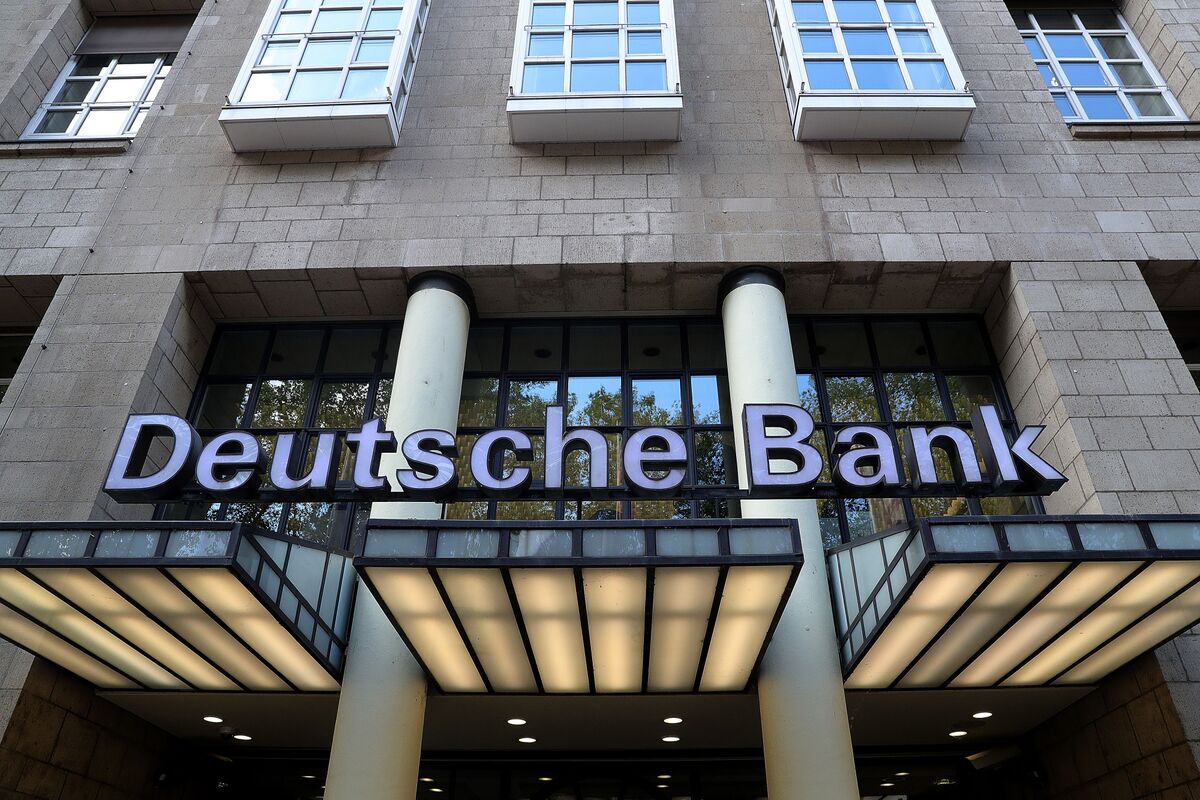
In a surprising move, Deutsche Bank, one of the world’s leading financial institutions, has adjusted its interest rate forecast, signaling a potential shift in the economic landscape. With an upward revision to its projections, the bank’s decision carries implications for borrowers, investors, and policymakers alike.
Deutsche Bank’s chief economist, Dr. Anna Mueller, unveiled the revised forecast during a press conference held at the bank’s headquarters in Frankfurt. Mueller stated that the bank now anticipates a gradual increase in interest rates over the next 12 to 18 months, departing from its previous more dovish stance.
The shift in Deutsche Bank’s interest rate outlook reflects an evolving economic landscape characterized by robust growth, improving labor markets, and mounting inflationary pressures. Driven by these factors, the bank believes that central banks may find it necessary to adjust monetary policy to contain potential overheating and manage inflation expectations.
The revision comes at a time when many central banks worldwide have kept interest rates at historically low levels, aiming to support economic recovery following the global financial crisis. However, as economies rebound and regain strength, central banks face the challenging task of striking the right balance between stimulating growth and guarding against inflationary risks.
Deutsche Bank’s revised forecast holds significant implications for various stakeholders. Borrowers, for instance, can expect increased borrowing costs as interest rates rise. Mortgage rates, credit card rates, and loans tied to variable interest rates may all experience an uptick, potentially impacting the affordability of debt for individuals and businesses alike.
Savers and investors, on the other hand, may benefit from higher interest rates, as yields on savings accounts, certificates of deposit, and fixed-income investments may see a modest increase. This shift could be particularly welcomed by retirees and others relying on interest income to fund their expenses.
The stock market, known for its sensitivity to changes in interest rates, may experience some turbulence as investors reassess the value of equities against potentially higher borrowing costs. Companies that rely heavily on debt financing may also face challenges, as servicing their existing debt becomes more expensive. However, sectors that tend to perform well during periods of rising interest rates, such as financials and certain commodities, may find new opportunities.
Policymakers will closely monitor Deutsche Bank’s forecast revision, as it aligns with broader discussions surrounding monetary policy decisions. Central banks around the world will need to evaluate the potential implications of adjusting interest rates in response to evolving economic conditions. Striking the right balance between supporting growth and taming inflation will be crucial to maintaining stability in the global economy.
Deutsche Bank’s decision to revise its interest rate forecast also sheds light on the increasing importance of its role in shaping economic expectations. As a global financial institution, Deutsche Bank’s insights and projections have the potential to influence market sentiment and investor behavior. Other banks and financial institutions may follow suit, further reinforcing or challenging the bank’s projections and potentially amplifying their impact on the broader economy.
Financial experts and analysts are divided on the implications of Deutsche Bank’s revised interest rate forecast. Some believe that the shift signals an economic environment on the cusp of overheating, requiring proactive measures to prevent inflation from spiraling out of control. Others view the move as a premature adjustment that may disrupt the delicate balance between stimulating growth and maintaining stability.
The coming months will provide further clarity on whether Deutsche Bank’s revised interest rate forecast accurately reflects the economic trajectory. Market participants, borrowers, savers, and policymakers will be keenly observing key economic indicators, such as inflation rates, employment figures, and GDP growth, for signals that could validate or challenge the bank’s projections.