


Tony Fernandes, the CEO of AirAsia, is facing a storm of criticism after he conducted a recent management meeting while shirtless. The unconventional approach to leadership has drawn mixed reactions from both within the company and the public, sparking a debate about professionalism in corporate settings.
The incident took place during a virtual management meeting where Fernandes appeared on screen without a shirt. The image quickly made its way onto social media platforms, drawing a flurry of comments and opinions from various quarters.
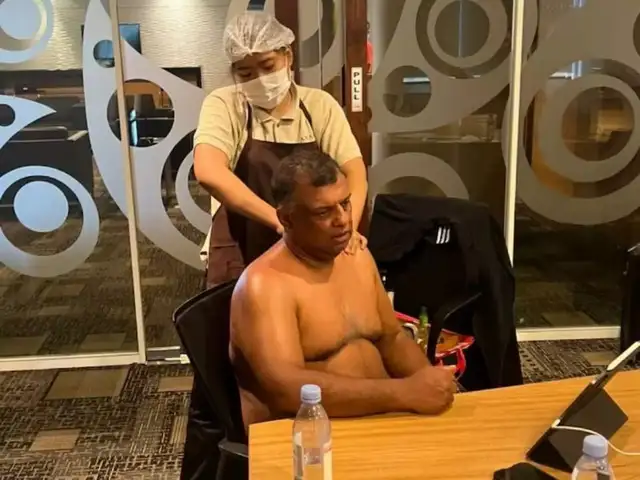
While some employees and onlookers found the display humorous or even relatable, many others expressed dismay and disappointment, feeling that such a casual and seemingly unprofessional approach was out of place for a CEO of a major international airline.
In response to the public outrage, Fernandes took to Twitter to address the issue, stating, “I am human too. We are all working from home. If we can’t have fun and be ourselves, then life is not worth living. It was a bit of fun and jokes.” He further emphasized that the meeting had been a relaxed internal gathering among senior management.
Despite Fernandes’ efforts to play down the incident as a light-hearted moment, it has raised questions about appropriate conduct in professional settings and the tone set by leaders within their organizations. The incident coincidentally occurred amid ongoing discussions about the effects of remote work on corporate culture and standards.
Some AirAsia employees expressed concerns about the image it projects to external stakeholders, partners, and customers. They questioned whether such actions are in line with the company’s brand image and values.
The controversy has sparked a broader conversation about corporate leadership styles and the balance between approachability and professionalism. Some argue that a more relaxed approach to management can foster a positive and inclusive workplace culture, while others believe there should be a clear distinction between personal and professional conduct, especially at the executive level.
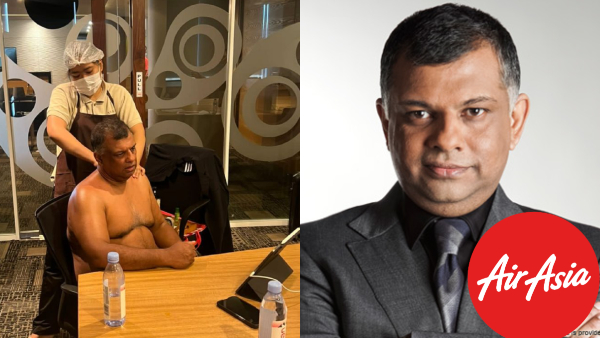
AirAsia, which has been navigating the challenges posed by the COVID-19 pandemic and significant changes in the airline industry, has not officially commented on the matter. The incident comes at a time when the company, like many others in the travel sector, is working to rebuild its operations and reputation.
As the discussion surrounding this incident continues, it remains to be seen whether Tony Fernandes’ unconventional approach to leadership will have any long-term repercussions for AirAsia or whether it will be perceived as a one-time lapse in judgment. Regardless, the situation has reignited conversations about the evolving norms and expectations for corporate leaders in today’s digital age.









