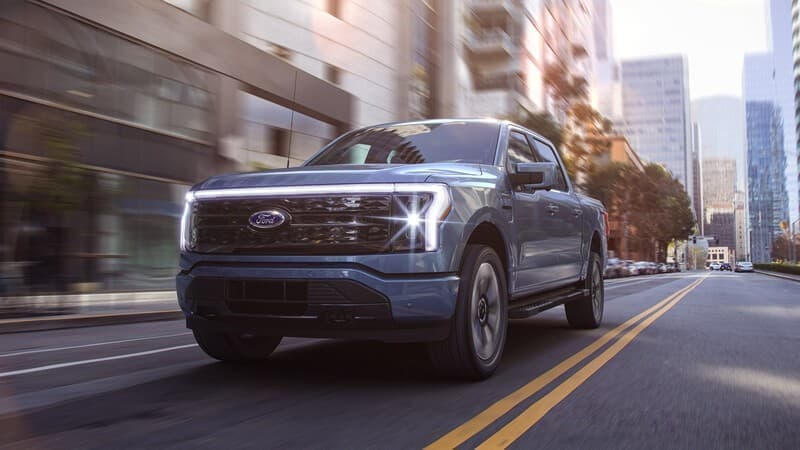
Ford Motor Company has announced a strategic shift in its production schedule, opting to delay the rollout of its highly anticipated electric pickup truck and large SUV models. The decision comes amidst a broader slowdown in the growth of electric vehicle (EV) sales, prompting the automaker to recalibrate its approach to the rapidly evolving market.
Initially slated for release later this year, Ford’s electric pickup truck and large SUV were poised to capitalize on the growing demand for emission-free vehicles and compete with established players in the EV space. However, with sales momentum for electric vehicles showing signs of deceleration, the company has opted to postpone production to reassess market dynamics and ensure a strategic rollout.
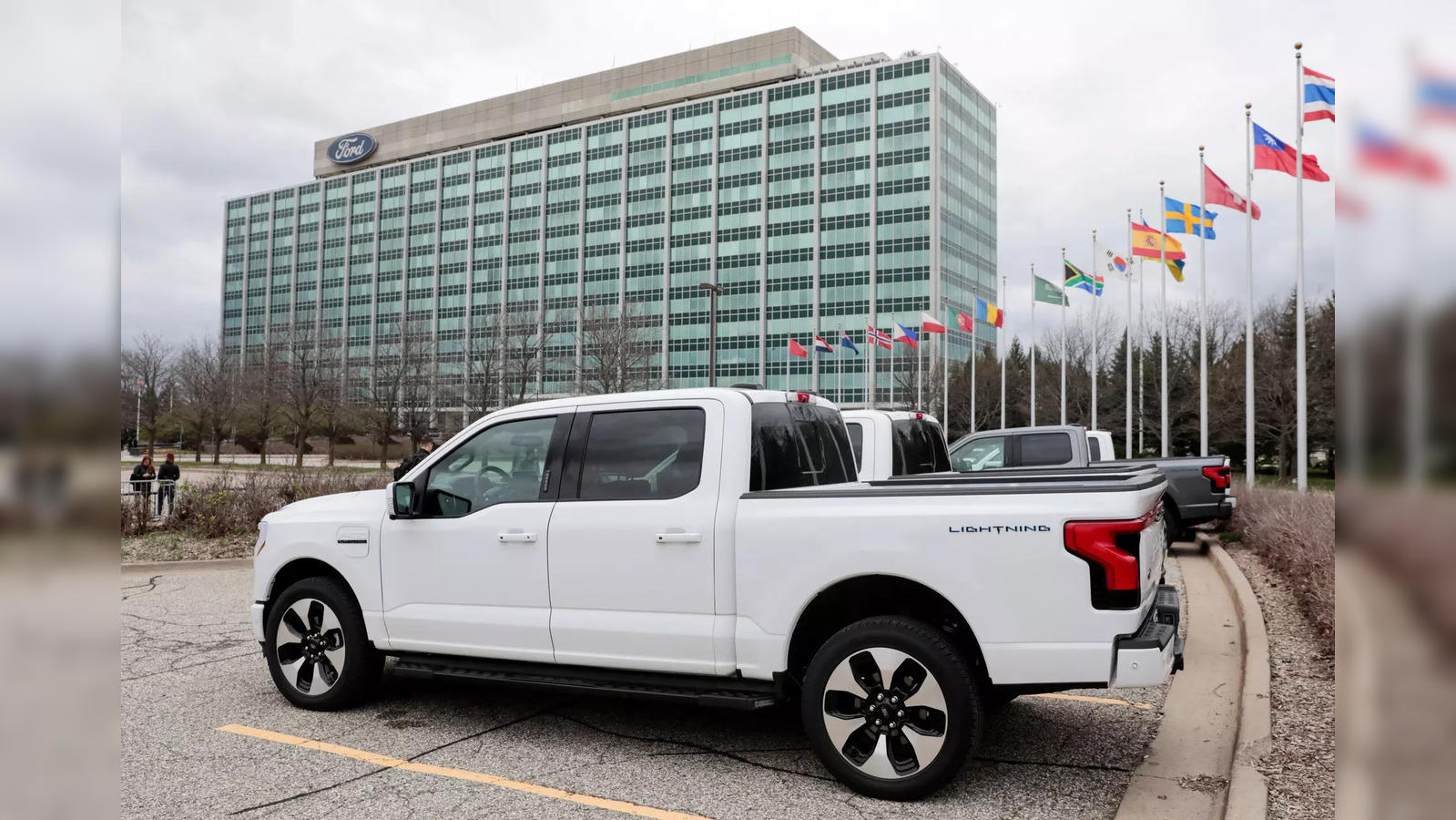
The decision reflects Ford’s commitment to prudent business planning and responsiveness to shifting consumer preferences. Despite the setback, the company remains optimistic about the long-term prospects of electric vehicles and reaffirms its commitment to sustainability and innovation.
The slowdown in EV sales growth can be attributed to several factors, including supply chain disruptions, regulatory uncertainty, and evolving consumer attitudes. As the automotive industry navigates these challenges, automakers are increasingly focusing on enhancing infrastructure, reducing costs, and expanding their electric vehicle offerings to stimulate demand and drive adoption.
Ford’s decision to delay production aligns with broader industry trends, with other automakers also adjusting their strategies in response to market dynamics. While the temporary setback may dampen short-term expectations, it underscores the importance of strategic flexibility and adaptability in a rapidly changing landscape.
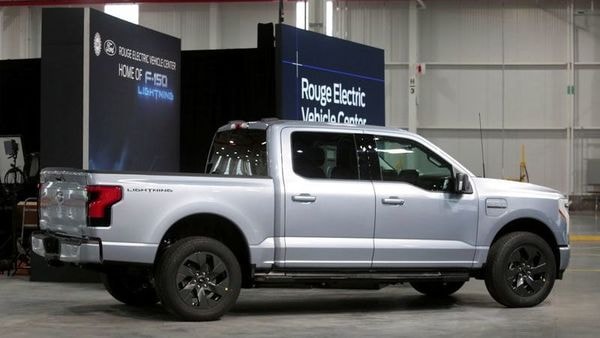
Despite the delay, Ford remains actively engaged in the development and promotion of electric vehicles, with existing models such as the Mustang Mach-E and the upcoming electric Transit van showcasing the company’s commitment to sustainable mobility solutions. Moreover, Ford continues to invest in research and development to advance electric vehicle technology and improve affordability and accessibility for consumers.
As the automotive industry continues its transition towards electrification, Ford’s decision to recalibrate its production plans underscores the inherent complexities and uncertainties associated with the shift towards electric vehicles. By taking a measured approach and prioritizing long-term sustainability, Ford aims to position itself as a leader in the evolving landscape of automotive innovation.
As consumer preferences evolve and regulatory frameworks evolve, the future of electric vehicles remains promising, with Ford poised to play a pivotal role in shaping the next generation of sustainable mobility solutions.