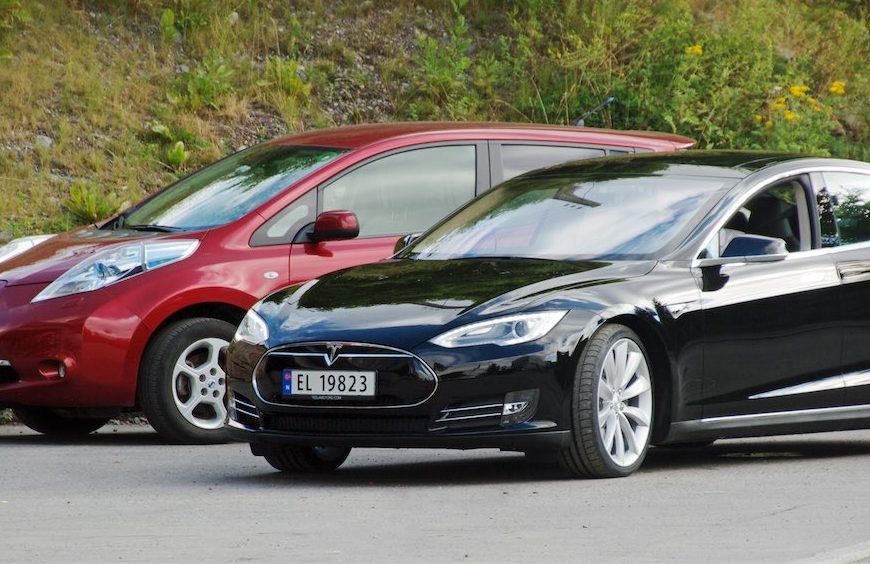
In response to growing concerns about the safety of pedestrians, particularly those who are visually impaired, the Australian government has introduced legislation aimed at addressing the issue of quiet electric vehicles. The new measures come as electric cars become increasingly popular on Australian roads, raising questions about their relatively silent operation and its potential hazards.
The legislation, known as the Electric Vehicle Noise Emission Standard, requires electric vehicles to emit artificial sounds when traveling at low speeds to alert pedestrians to their presence. This requirement aligns with regulations already in place in several other countries, including the United States and the European Union, where similar concerns have been raised about the quietness of electric vehicles posing risks to pedestrians, especially those who rely on auditory cues while navigating urban environments.
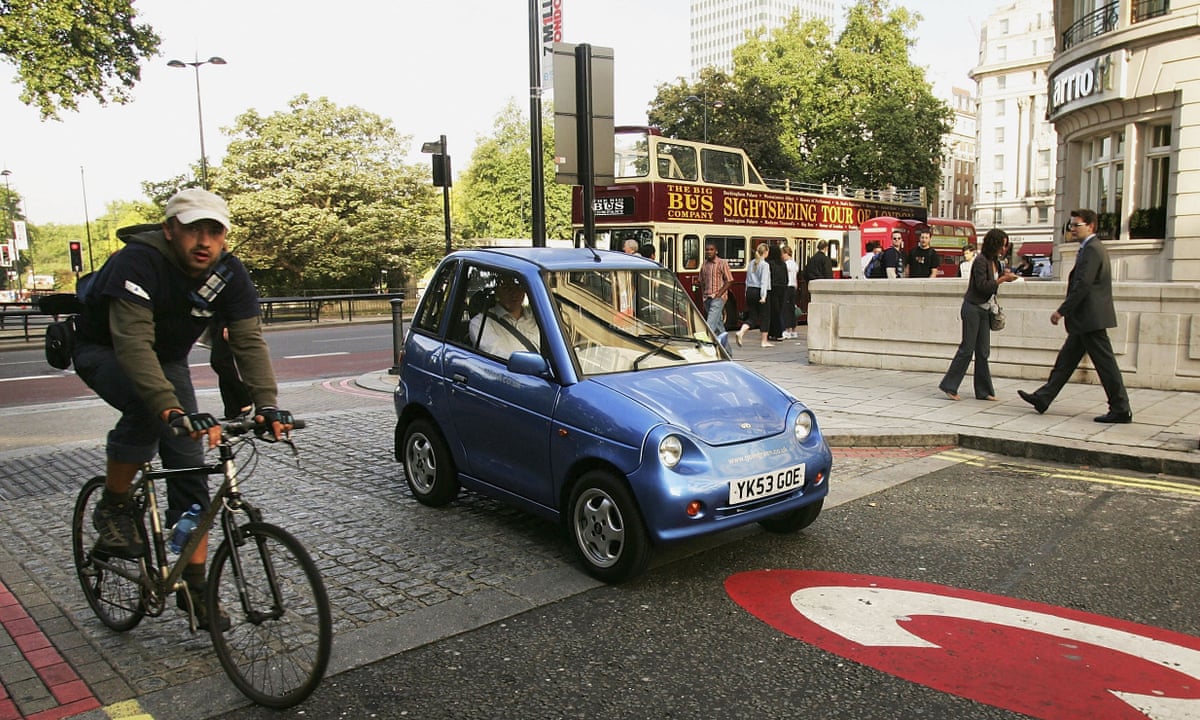
Transport Minister Sarah Henderson underscored the importance of prioritizing pedestrian safety in the context of the evolving automotive landscape. “As electric vehicles become more prevalent, it’s crucial that we take proactive steps to ensure the safety of all road users,” she stated. “The introduction of noise-emitting devices will help mitigate the risks associated with silent electric cars, particularly in urban settings where pedestrians may not be able to hear approaching vehicles.”
The legislation mandates that electric vehicles emit sound when traveling at speeds below 20 kilometers per hour (approximately 12 miles per hour), which is typically the range where pedestrian-vehicle interactions are most frequent. The artificial sound, resembling that of a traditional combustion engine, is intended to alert pedestrians to the presence of nearby electric vehicles and reduce the likelihood of accidents.
While electric vehicles are generally regarded as more environmentally friendly and energy-efficient alternatives to traditional internal combustion engine vehicles, their silent operation has raised concerns among safety advocates. Studies have shown that pedestrians, especially those with visual impairments, may have difficulty detecting electric vehicles, particularly in noisy urban environments where ambient sounds can mask the sound of approaching vehicles.
The introduction of the Electric Vehicle Noise Emission Standard reflects the government’s commitment to promoting the safe integration of electric vehicles into Australia’s transportation infrastructure. By addressing concerns about the quietness of electric cars, policymakers hope to encourage broader adoption of environmentally sustainable transportation options while ensuring the safety and accessibility of public spaces for all pedestrians.

Automakers will be required to comply with the new noise emission standards for all electric vehicles sold in Australia, with the legislation slated to take effect within the next year. The move represents a proactive approach to addressing emerging safety challenges associated with the transition to electric mobility and underscores the importance of regulatory measures in safeguarding public welfare amidst technological advancements in transportation.
As electric vehicles continue to gain traction globally, discussions around safety standards and regulatory frameworks are expected to remain at the forefront of policy debates. The Australian government’s initiative serves as a notable step towards enhancing pedestrian safety in an increasingly electrified automotive landscape.