Fisker Inc., the electric vehicle (EV) startup known for its innovative designs and ambitious plans, has filed for bankruptcy. The company, which had been heralded as a potential leader in the EV market, cited financial difficulties and market challenges as the primary reasons for the filing. Fisker now aims to sell its assets in a bid to pay off its debts and possibly find a path forward under new ownership.
Fisker’s bankruptcy filing comes after a series of financial setbacks and missed targets. Despite a high-profile launch and significant initial investment, the company struggled to compete with established EV manufacturers like Tesla and new entrants backed by major automakers. Supply chain disruptions, production delays, and a slower-than-expected rollout of its flagship vehicle, the Fisker Ocean, contributed to its financial woes.
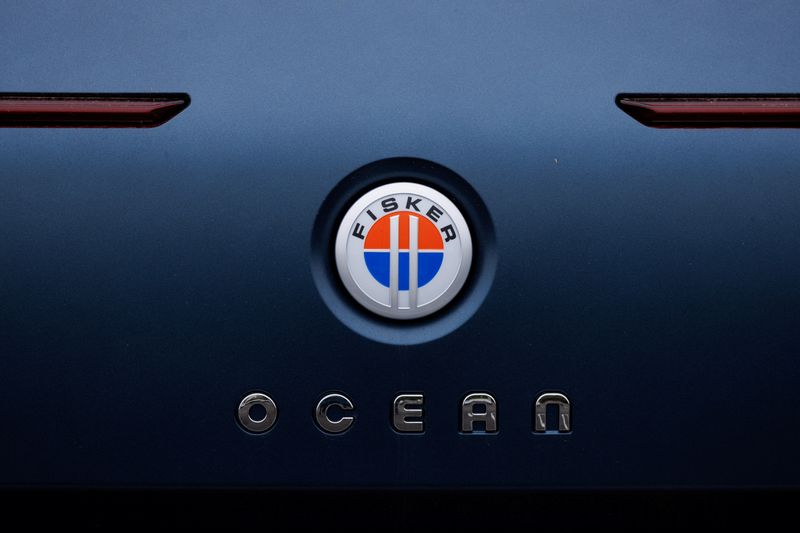
CEO Henrik Fisker, who co-founded the company, expressed his disappointment but remained hopeful about the future of the company’s technology and designs. “While this is a difficult moment, we believe that Fisker’s innovative technology and our vision for sustainable transportation have value that can be realized under new ownership,” he said in a statement.
The Road to Bankruptcy
Fisker Inc. had raised considerable expectations with its stylish and environmentally friendly vehicles. The Fisker Ocean, an all-electric SUV, garnered significant attention for its design and promised features. However, the company faced persistent issues in scaling production and meeting delivery schedules.
Reports of quality control problems and higher-than-expected production costs further eroded investor confidence. In recent months, Fisker sought additional funding and strategic partnerships to stay afloat, but these efforts failed to materialize in time.
Asset Sale and Future Prospects
The bankruptcy filing outlines Fisker’s intention to sell its assets, including intellectual property, manufacturing equipment, and its inventory of vehicles. Potential buyers could range from established automakers looking to expand their EV portfolios to tech companies interested in Fisker’s proprietary technologies.
Industry analysts suggest that Fisker’s technology, particularly its battery innovations and sustainable materials, could be attractive to buyers. “Fisker has made significant strides in EV technology, and there are elements of their work that could be very valuable to the right company,” said Jane Smith, an automotive industry analyst.
Impact on Employees and Customers
Fisker’s bankruptcy will likely have significant repercussions for its employees and customers. The company employs hundreds of workers across its headquarters and manufacturing facilities. Fisker has assured employees that it will provide support and communicate transparently during the bankruptcy process.

For customers who have pre-ordered vehicles or are awaiting deliveries, Fisker’s bankruptcy creates uncertainty. The company has yet to detail how it will address these orders, but it has pledged to keep customers informed as the situation develops.
The news of Fisker’s bankruptcy has sent ripples through the EV industry. While it highlights the challenges of competing in a rapidly evolving market, it also underscores the potential volatility and financial risks associated with EV startups.
Rival companies and industry observers have expressed mixed reactions. Some see Fisker’s downfall as a cautionary tale about the difficulties of scaling production and meeting market expectations. Others believe it highlights the ongoing demand for innovation and sustainable solutions in the automotive sector.
As Fisker navigates the bankruptcy process and seeks buyers for its assets, the EV industry will be watching closely. The company’s innovative approach and commitment to sustainability have left a mark, even as it faces financial collapse. The outcome of this bankruptcy could reshape the landscape of electric vehicle development and influence the strategies of both startups and established automakers in the years to come.